


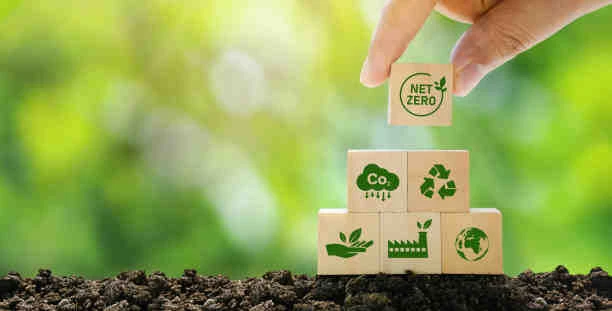
**1. Sustainable Material Choices**
The materials used in an extension project can have a significant impact on its environmental footprint. Choosing sustainable materials is crucial. This includes:
- **Recycled and Recyclable Materials:** Opt for building materials made from recycled content and that can be recycled at the end of their lifespan.
- **Low-Impact Materials:** Consider materials with low embodied energy, meaning they require fewer resources to manufacture and transport.
- **Biomaterials:** Explore innovative biomaterials, such as bamboo and engineered wood, which are renewable and often require less energy for production.
**2. Energy Efficiency and Conservation**
One of the most significant ways extension projects can reduce their environmental impact is through energy efficiency and conservation efforts:
- **Energy-Efficient Appliances:** Install energy-efficient lighting, heating, and cooling systems to reduce energy consumption.
- **Renewable Energy Sources:** Consider incorporating solar panels, wind turbines, or other renewable energy sources to power the extension.
- **Smart Building Systems:** Implement smart technology that optimizes energy usage through automated controls.
**3. Sustainable Construction Practices**
Construction itself can be resource-intensive and damaging to the environment. However, there are ways to mitigate this:
- **Waste Reduction:** Minimize construction waste by recycling or repurposing materials whenever possible.
- **Green Building Certifications:** Seek certifications like LEED (Leadership in Energy and Environmental Design) or BREEAM (Building Research Establishment Environmental Assessment Method) to ensure your project meets stringent environmental standards.
- **Erosion Control:** Implement erosion control measures to prevent soil runoff into nearby water bodies.
**4. Biodiversity and Landscape Design**
The impact of extension projects goes beyond the building itself; it includes the surrounding landscape:
- **Native Plants:** Landscaping with native plant species can support local biodiversity and reduce water consumption.
- **Rain Gardens:** These gardens are designed to capture and manage rainwater runoff, preventing pollution and flooding.
- **Wildlife Habitats:** Create spaces that welcome local wildlife, providing shelter and food sources.
**5. Water Conservation**
Water is a precious resource, and extension projects can make a significant difference in its conservation:
- **Low-Flow Fixtures:** Install water-saving fixtures to reduce water consumption.
- **Rainwater Harvesting:** Collect and store rainwater for use in irrigation or non-potable applications.
- **Greywater Systems:** Implement systems to treat and reuse greywater (wastewater from sinks, showers, etc.) for irrigation.
**6. Sustainable Transportation and Access**
Consider the environmental impact of how people access your extension:
- **Public Transportation:** Encourage the use of public transportation or provide convenient access to public transit.
- **Bicycle and Pedestrian Paths:** Design walkable and bike-friendly spaces to reduce the need for car travel.
- **Electric Vehicle Charging:** Install charging stations for electric vehicles to support cleaner transportation options.
Conclusion
Environmental considerations in extension projects are no longer optional but imperative. As we strive to build a more sustainable future, extension projects have a crucial role to play in reducing their environmental footprint. By making informed choices in material selection, construction practices, energy efficiency, and landscape design, extension projects can not only minimize their negative impact on the environment but also contribute to a healthier, greener world. In the face of climate change and dwindling resources, embracing eco-friendly practices is not just responsible—it"s necessary for the well-being of our planet and future generations.
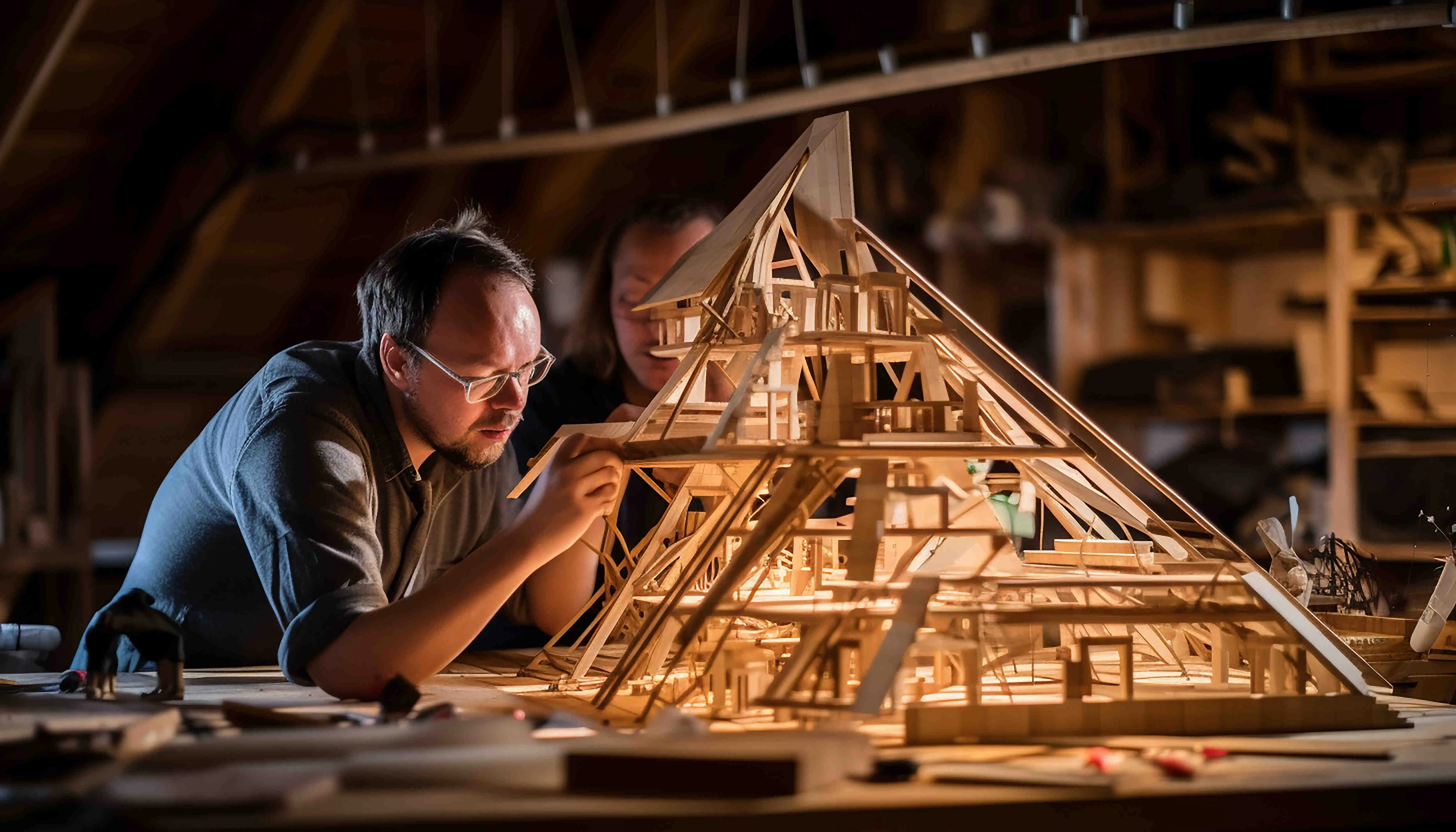
The world of carpentry is buzzing with innovations, trends, and transformative technologies. For carpenters, keeping up with these changes isn"t just about staying ahead in the game; it"s about ensuri...

In an era where technology weaves through every facet of our lives, the carpentry profession is no exception to its transformative power. Welcome to "Carpentry Chronicles," a blog series dedicated to ...

Welcome to "Carpentry Chronicles," a blog series dedicated to navigating the ever-evolving landscape of carpentry. In this edition, we dive into a trend reshaping the carpentry domain—customizat...

In the bustling world of carpentry, safety isn"t just a precaution; it"s a fundamental necessity. Welcome to "Carpentry Chronicles," a blog series committed to navigating the ever-evolving landscape o...

In carpentry, where wood meets creativity, mastery is not just a goal; it"s a journey. Welcome to "Carpentry Chronicles," a blog series that peels back the layers of carpentry to reveal the artistry a...
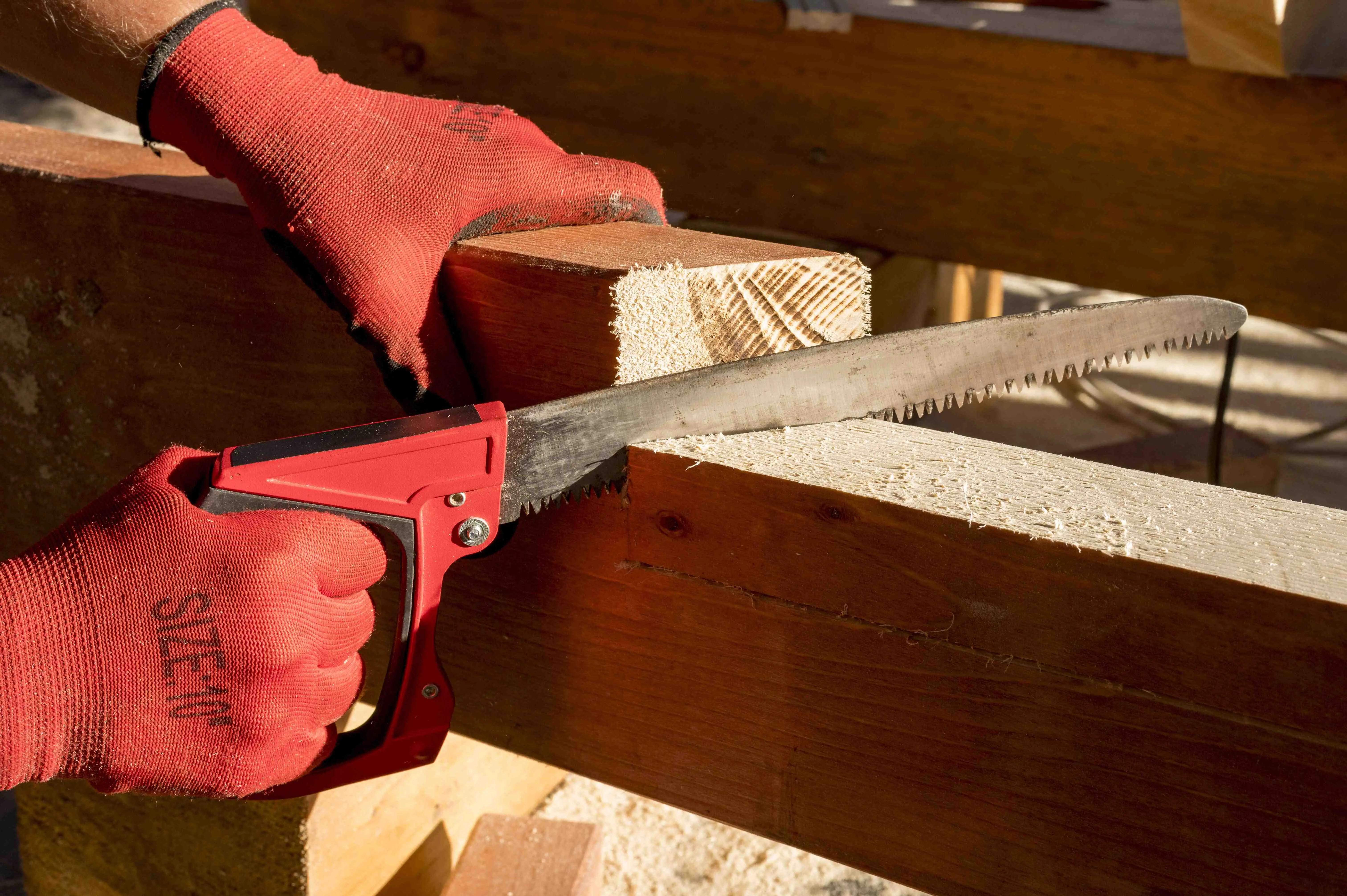
In the ever-evolving design landscape, where trends come and go, one element stands timeless—wood. Welcome to "Carpentry Chronicles," a blog series committed to navigating the dynamic world of c...
Sign up to start winning an unlimited amount of jobs near you.


 Electrician
Gas Engineer
Electrician
Gas Engineer


Send more enquiries and explore your options
Increasing the number of potentials leads for you!
Have more control and flexibility over your finances!