


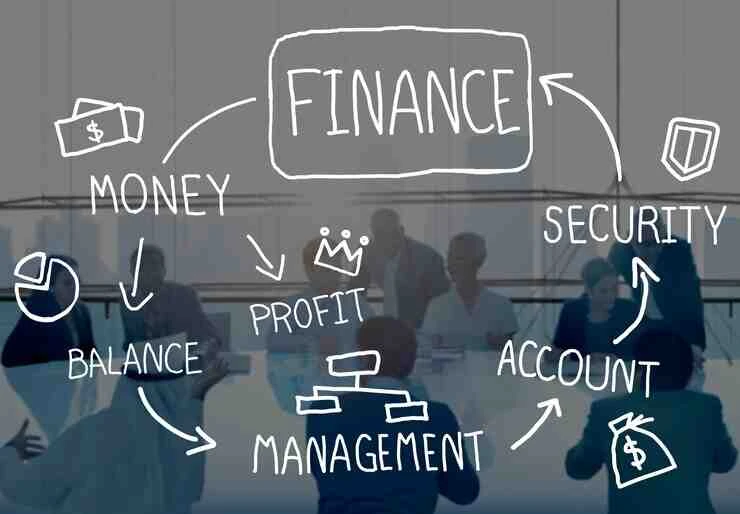
1. Develop a Comprehensive Business Plan
Every successful financial management strategy starts with a solid business plan. Your plan should outline your business goals, budget projections, cash flow forecasts, and strategies for growth. It serves as a roadmap for managing your finances effectively.
2. Separate Business and Personal Finances
Maintain a clear separation between your personal and business finances. Set up a dedicated business bank account, and avoid intermingling funds. This separation is crucial for tracking expenses and income accurately, as well as simplifying tax filing.
3. Monitor Cash Flow Closely
Cash flow is the lifeblood of your paving business. Regularly track the money coming in and going out. Ensure you have enough working capital to cover day-to-day expenses, such as materials, payroll, and equipment maintenance.
4. Budget Wisely
Create a detailed budget that accounts for all expenses, including labor, equipment, materials, and overhead. Set realistic financial goals and stick to your budget to prevent overspending. Regularly review and adjust your budget as your business grows.
5. Invest in Quality Equipment
Investing in high-quality paving equipment is a smart financial decision. Quality machinery may have a higher upfront cost but can save you money in the long run through improved productivity and reduced maintenance expenses.
6. Manage Debt Wisely
If your business relies on loans or credit lines, manage your debt wisely. Keep track of your debt-to-equity ratio, and only borrow what you can comfortably repay. Minimize interest expenses by seeking favorable lending terms.
7. Control Operating Costs
Paving companies often have significant operating costs. Monitor expenses closely and identify areas where you can cut costs without compromising the quality of your work. Negotiate with suppliers for better deals and optimize your resource allocation.
8. Invest in Professional Accounting
Hiring a qualified accountant or using accounting software tailored to construction businesses can help you manage your financial records accurately. An accountant can also provide valuable insights into optimizing your financial operations.
9. Prepare for Seasonal Fluctuations
Paving businesses often experience seasonal fluctuations. Prepare for slow seasons by saving during high-demand periods. Having a financial cushion to cover expenses during off-peak times is essential for business stability.
10. Embrace Technology
Utilize modern financial technology to streamline processes. Accounting software, invoicing platforms, and payroll systems can help you reduce manual work, minimize errors, and improve financial management efficiency.
11. Tax Planning
Work with a tax professional to ensure your business takes advantage of available tax deductions and credits. Proper tax planning can help you minimize your tax liability while staying compliant with tax laws.
12. Monitor Key Performance Indicators (KPIs)
Identify and monitor key financial performance indicators specific to your industry, such as revenue per project, profit margin, and job cost efficiency. Regularly analyzing these KPIs can help you make informed decisions to improve your financial health.
Conclusion
Effective financial management is critical for the success and growth of paving companies. By following these tips and consistently monitoring your financial health, you can ensure the stability and long-term profitability of your business. Remember that financial management is an ongoing process, and adaptability is key in the dynamic construction industry.

In the dynamic world of architecture, where creativity meets functionality, architects often find themselves at the intersection of artistic vision and practical necessity. Yet, in this complex dance ...

In the world of architecture, the delicate dance between creativity and budget constraints is a constant challenge. Clients often come with grand design visions, while architects must ensure that thes...

In the dynamic and highly competitive world of architecture, successful marketing strategies are essential to stand out in the crowd, attract potential clients, and grow architectural businesses. From...

Sustainable architecture stands at the forefront of modern building design, championing environmental responsibility, resource efficiency, and a harmonious coexistence with nature. In a world facing p...

Negotiating contracts and agreements between architects and clients is a crucial aspect of any architectural project. These documents outline the scope of work, responsibilities, and expectations, set...

In the fast-paced world of architecture, effective project management is essential for delivering successful projects on time and within budget. With the increasing complexity of architectural...
Sign up to start winning an unlimited amount of jobs near you.


 Electrician
Gas Engineer
Electrician
Gas Engineer


Send more enquiries and explore your options
Increasing the number of potentials leads for you!
Have more control and flexibility over your finances!