

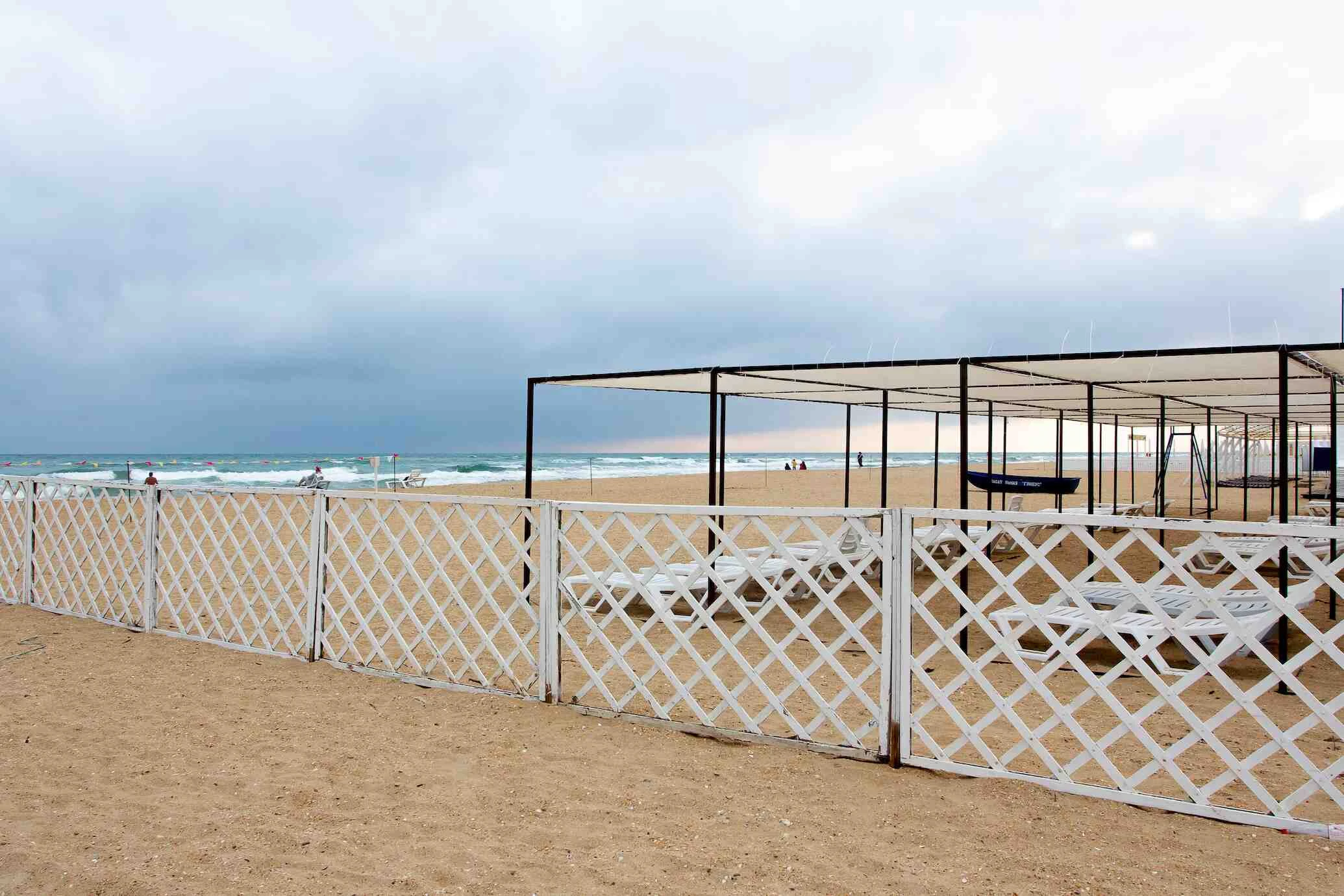
1. **Fencing for Hot and Sunny Climates**
In areas with scorching summers and intense sunlight, selecting the right fencing materials is crucial:
- **Vinyl Fences**: Vinyl is highly resilient to UV rays and won"t fade or warp in the sun. It also requires minimal maintenance.
- **Metal Fences**: Aluminum and steel are excellent options, as they don"t crack or fade. They can provide security and withstand strong winds.
- **Shade Elements**: Consider integrating shade elements like pergolas or slats to provide relief from the sun and reduce the risk of heat-related damage.
2. **Fencing for Rainy and Humid Climates**
In regions with frequent rainfall and high humidity, preventing moisture-related issues is key:
- **Cedar Fences**: Cedar wood is naturally resistant to rot and insects, making it a suitable choice for wet climates. Regular sealing and maintenance are essential.
- **Pressure-Treated Wood**: Treated lumber can withstand moisture, but it requires regular inspections and maintenance to avoid decay.
- **Metal with Rust-Resistant Coating**: If you opt for metal fencing, choose materials with rust-resistant coatings to prevent corrosion.
3. **Fencing for Windy Areas**
In locations prone to strong winds, fences must be durable and properly anchored:
- **Chain-Link Fences**: Chain-link fences are effective in windy areas as they allow the wind to pass through, reducing the risk of damage.
- **Concrete Posts**: Use concrete posts to anchor the fence securely. Reinforce the structure with diagonal bracing to enhance stability.
- **Solid Wood with Gaps**: If you prefer a solid wood fence, consider building it with small gaps between the boards to allow air to flow through.
4. **Fencing for Cold and Snowy Climates**
Cold weather and snow can be harsh on fences, so selecting the right materials and designs is crucial:
- **Vinyl or Metal Fences**: These materials are resistant to cold and moisture, making them ideal for snowy climates.
- **Privacy Fences**: A solid privacy fence can help block cold winds and drifting snow, reducing the need for frequent shoveling.
- **Snow-Resistant Designs**: Sloped or staggered fence designs can prevent snow from accumulating and damaging the fence.
5. **Regular Maintenance is Key**
Regardless of the climate, regular maintenance is essential for the longevity of your fence. Maintenance practices include:
- Inspecting for damage, rot, or loose parts after extreme weather events.
- Cleaning the fence to prevent mold and algae growth.
- Applying sealants or finishes to protect the wood or metal.
- Repairing or replacing damaged sections promptly.
Conclusion
Fencing is an essential element of any property, and choosing the right type of fence for your specific weather conditions is vital for its longevity and functionality. By considering materials, designs, and maintenance practices tailored to your climate, you can enjoy a fence that not only serves its purpose but also remains sturdy and attractive through the changing seasons. Remember that the best practices for fencing depend on the unique weather conditions in your area, so consult with local experts for further guidance and advice on achieving a fence that can stand up to the elements.
Introduction: In carpentry, time is money, and workflow is the pulse that keeps the business alive. Yet, many carpenters need help with a disjointed workflow, stifling efficiency and sapping the joy o...
.webp)
Introduction: Carpentry more than just a trade, is an art form. The journey to mastery involves constantly honing one"s skills, a voyage where every chisel stroke and nail-driven shapes not just ...

In the world of woodworking, every piece of timber tells a story - a tale of craftsmanship, dedication, and wisdom. For aspiring woodworkers and seasoned artisans alike, this blog is a collection of T...

In the world of woodworking, every piece crafted is a note in the symphony of a carpenter"s career. Yet, to compose a melodious tune, one must prioritize the conductor - their health and longevity. Th...
In carpentry, precision isn"t just about chiselling wood; it"s about chiselling a successful business. Financial stability and growth are the building blocks of a carpentry enterprise. Welcome to "Cra...

In the world of woodworking, creating something beautiful is not just an art—it"s a responsibility. A responsibility towards the craft, the client, and most importantly, the safety and well-bein...
Sign up to start winning an unlimited amount of jobs near you.


 Electrician
Gas Engineer
Electrician
Gas Engineer


Send more enquiries and explore your options
Increasing the number of potentials leads for you!
Have more control and flexibility over your finances!