



1. The Challenge of Heritage Preservation
Heritage buildings are not frozen in time. They exist within a dynamic and evolving world. As such, they face various challenges, including structural degradation, changing occupancy needs, and the demand for energy efficiency. Preservationists and architects need to find ways to overcome these challenges while maintaining the historical significance and authenticity of these buildings.
2. The Role of Extension Transformations
Extension transformations, also known as heritage building extensions or adaptive reuse, involve carefully planning and implementing new structures or modifications that respect the heritage value of the existing building. These transformations are essential for several reasons:
a. **Sustainable Preservation**: Heritage buildings should be sustainable, both environmentally and economically. By adapting these structures to contemporary needs, they can continue to serve a purpose, avoiding abandonment or demolition.
b. **Functional Adaptation**: Over time, the intended use of a heritage building may change. For example, a historic warehouse may be transformed into a cultural center or apartments. Extension transformations enable these changes while preserving the essential character of the building.
c. **Economic Viability**: Restoring or extending heritage buildings can create economic opportunities. For instance, they can attract tourists, tenants, or businesses, contributing to the local economy.
d. **Cultural Continuity**: Heritage buildings offer continuity, connecting us with our history. Extension transformations allow this connection to thrive while also enriching our modern lives.
3. Types of Extension Transformations
Extension transformations come in various forms, depending on the specific requirements and constraints of the heritage building in question. Some common types include:
a. **Structural Extensions**: These involve adding new structures to the existing building, such as modern wings or annexes. These extensions are designed to complement the historical structure while offering modern amenities.
b. **Interior Renovations**: These transformations focus on updating the interior spaces while preserving the building"s historical facade. This may include reconfiguring rooms, updating utilities, and improving accessibility.
c. **Roof Conversions**: Converting unused attic or rooftop spaces into functional areas, such as penthouse apartments, offices, or event spaces, can provide a harmonious blend of the old and new.
d. **Exterior Renovations**: Updating the exterior features, such as windows, doors, and facades, while maintaining their historic character.
e. **Repurposing**: Transforming a heritage building for an entirely new use, such as converting a church into a library or a factory into an art gallery.
4. The Importance of Preservation Guidelines
Preservation guidelines play a pivotal role in extension transformations. They provide a framework for architects and builders to navigate the delicate balance between preserving heritage and accommodating modern needs. These guidelines typically cover aspects like materials, design, restoration techniques, and historical accuracy.
5. Successful Examples
Some well-known heritage buildings have undergone extension transformations that exemplify the harmonious coexistence of history and modernity. The Tate Modern in London, the Louvre Pyramid in Paris, and the Sydney Opera House are just a few iconic examples where extensions have revitalized these landmarks without compromising their heritage significance.
Conclusion
Extension transformations in heritage buildings represent a harmonious blend of tradition and modernity. They allow these architectural treasures to evolve, adapt, and remain relevant while safeguarding their historical and cultural significance. The preservation of our heritage is not about keeping the past in a time capsule but about ensuring that it continues to contribute to our present and future. Carefully planned and executed extension transformations are the key to achieving this delicate balance, preserving our heritage while embracing the opportunities of the 21st century.
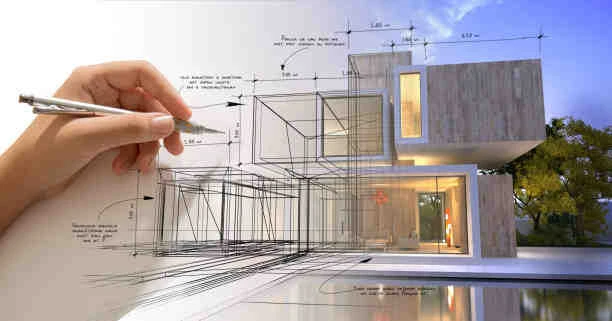
In a world often cluttered with complexity, modern minimalism in architecture stands as a testament to the beauty of simplicity. This design philosophy strips away excess ornamentation and embraces cl...
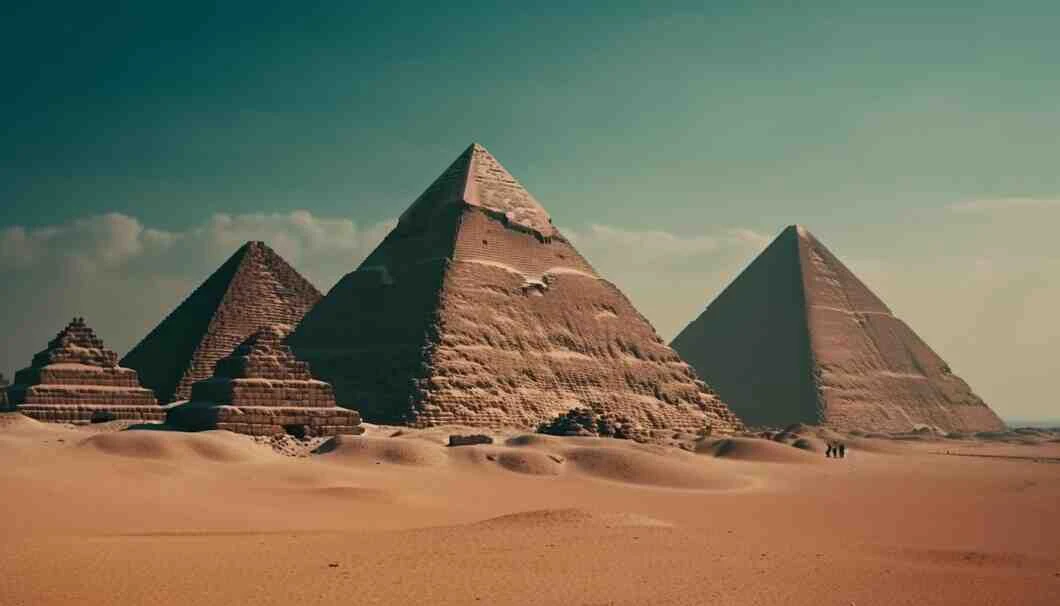
Throughout history, mankind has expressed its creativity and ambition through the construction of iconic architectural landmarks. These structures not only captivate us with their breathtaking designs...
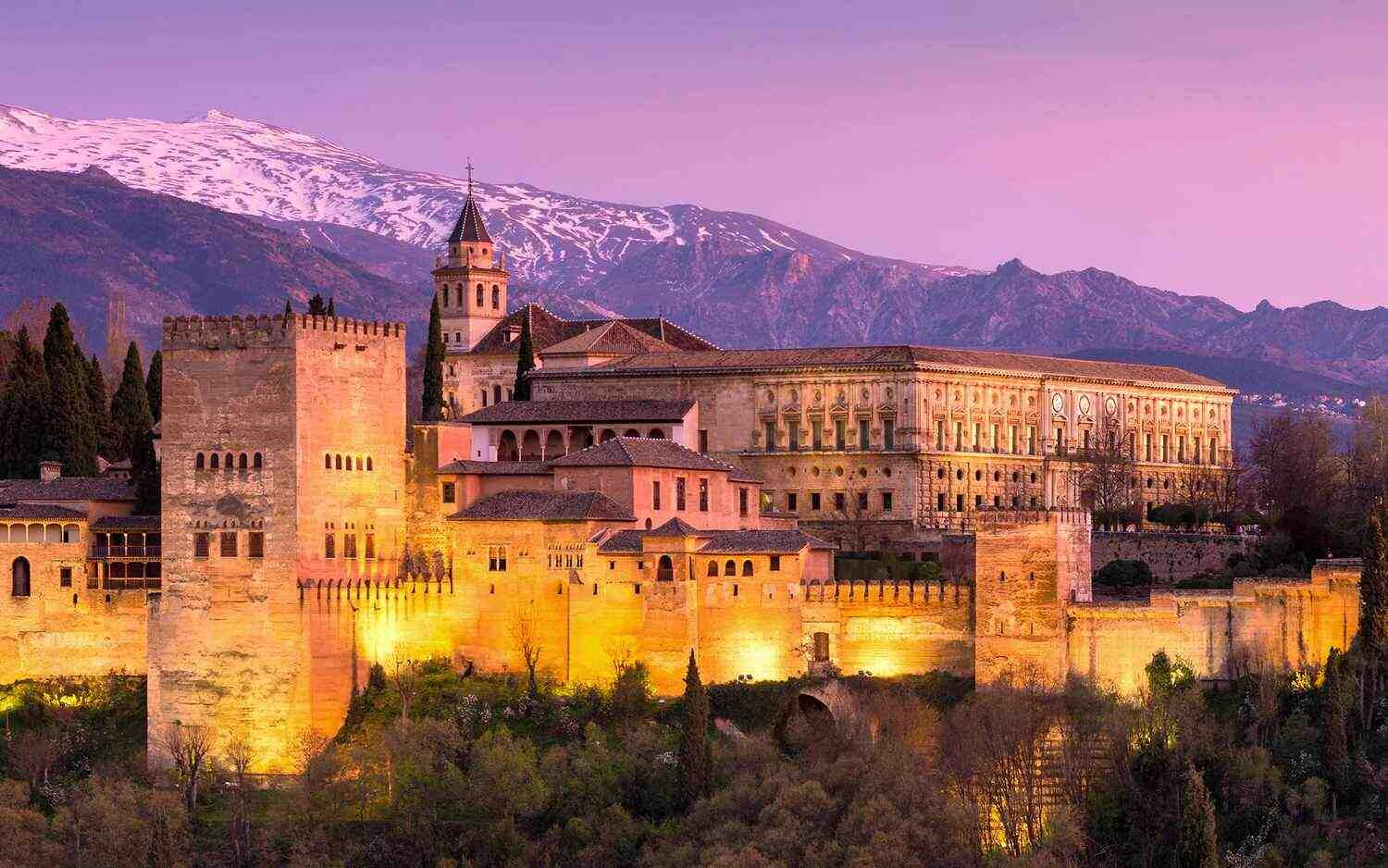
Symmetry and balance in architectural design are principles that have been appreciated for centuries. These elements create a sense of harmony, order, and visual appeal in buildings and structures. Sy...
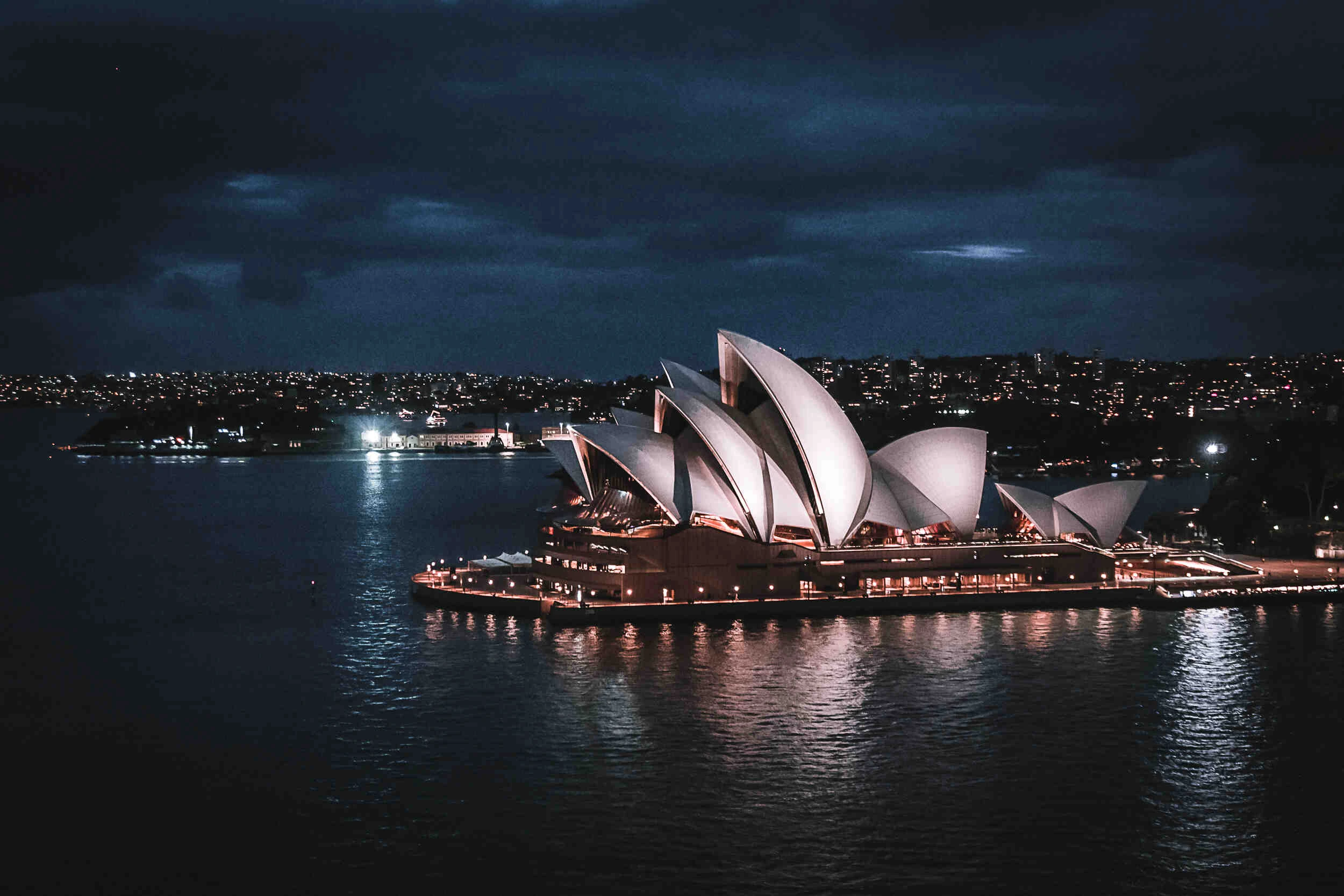
As the sun dips below the horizon, architectural wonders across the globe come to life, basking in the radiance of carefully designed illumination. Creative lighting design possesses the remarkable ab...
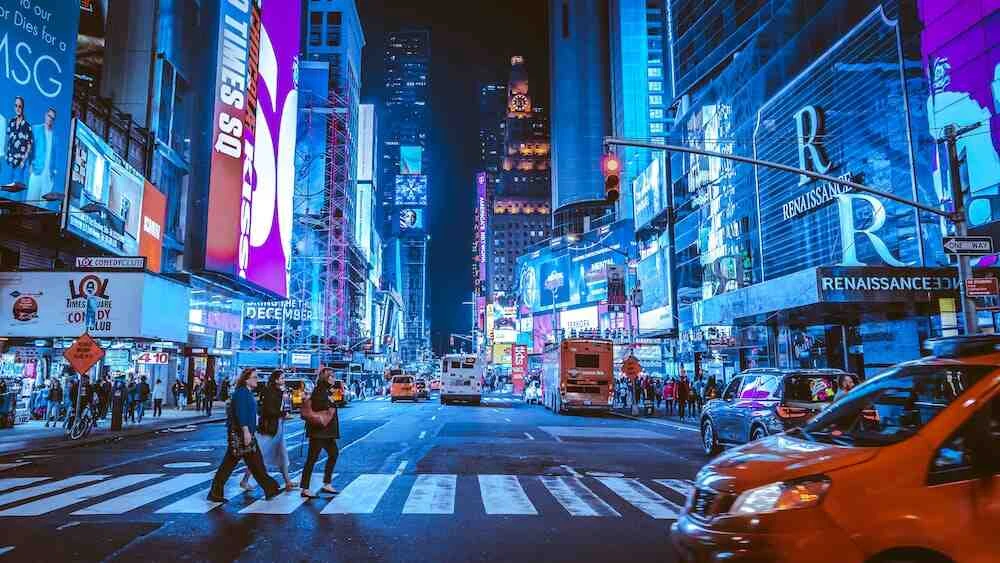
Architecture has a profound impact on our daily lives, shaping the way we interact with our surroundings and with one another. In recent years, a shift towards community-centric architecture has been ...
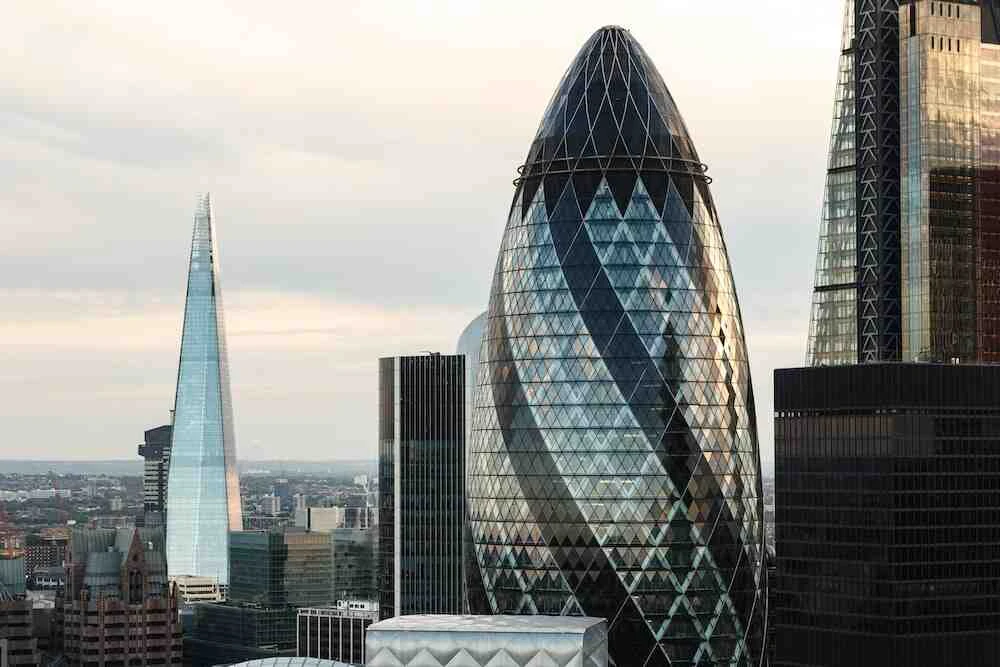
In the ever-evolving world of architecture, the materials we use play a pivotal role in shaping the built environment. Over the years, architects and designers have pushed the boundaries of convention...
Sign up to start winning an unlimited amount of jobs near you.


 Electrician
Gas Engineer
Electrician
Gas Engineer


Send more enquiries and explore your options
Increasing the number of potentials leads for you!
Have more control and flexibility over your finances!