


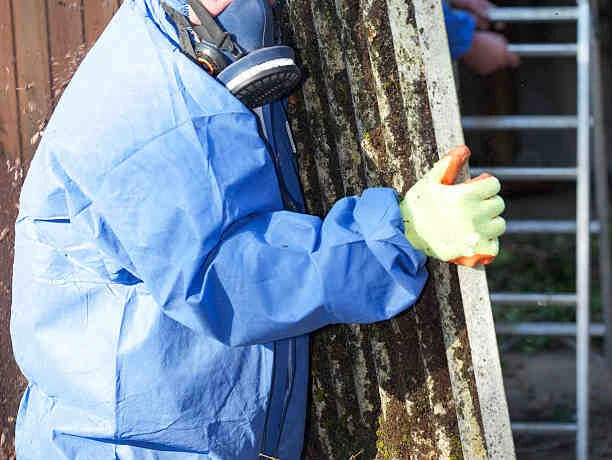
Understanding the Dangers of Asbestos
Before diving into the strategies for safe asbestos removal, it"s crucial to understand why asbestos poses such a grave threat to human health. Asbestos is a naturally occurring mineral that breaks down into microscopic fibers, easily inhaled or ingested. Over time, these fibers accumulate in the body, leading to serious health conditions, often with a latency period of several decades. It is imperative to take these dangers seriously when considering asbestos removal.
Expert Strategy #1: Prioritize Safety and Compliance
Safe asbestos removal starts with prioritizing safety and compliance with local, state, and federal regulations. Professionals engaged in asbestos removal must be properly trained and certified. Hiring licensed asbestos abatement contractors ensures that the work is conducted by individuals who are well-versed in the safety protocols and regulations.
Moreover, it is crucial to obtain the necessary permits and approvals before starting any asbestos removal project. Authorities closely monitor and regulate asbestos removal activities to protect public health. Compliance with these regulations is non-negotiable.
Expert Strategy #2: Conduct a Thorough Asbestos Inspection
The first step in a safe asbestos removal project is to conduct a comprehensive asbestos inspection. This involves identifying asbestos-containing materials (ACMs) in the building or structure. Asbestos can hide in various building materials such as insulation, flooring, roofing, and siding. Professionals use specialized equipment and techniques to locate these hidden hazards.
The inspection helps to create an asbestos management plan that outlines the scope of the removal project, detailing which materials need to be removed and the techniques required. This plan is essential for minimizing risks and ensuring the safe removal of asbestos.
Expert Strategy #3: Containment and Isolation
Asbestos removal professionals must take great care to contain and isolate the work area. The goal is to prevent the release of asbestos fibers into the environment, where they can pose a risk to workers and the public. Strategies for containment and isolation include:
Erecting plastic sheeting barriers to isolate the work area.
Using negative air pressure systems to ensure that any released asbestos fibers are pulled into a filtration system.
Providing workers with personal protective equipment (PPE), including disposable coveralls, respirators, and gloves.
The key is to create a sealed environment that minimizes the spread of asbestos fibers.
Expert Strategy #4: Safe Removal Techniques
The actual removal of asbestos-containing materials must be done carefully and using safe techniques. Here are some key considerations:
Wet Removal: Wetting asbestos-containing materials reduces the release of fibers into the air. This is done by lightly misting the material with water before removal.
Minimize Abrasion: Asbestos-containing materials should not be sanded, scraped, or subjected to any abrasive processes. This can release a significant number of fibers.
Avoid Breaking Materials: ACMs should be removed in whole pieces whenever possible to minimize fiber release.
Proper Disposal: Asbestos waste should be sealed in double-bagged, labeled containers, and disposed of at a designated hazardous waste facility.
Expert Strategy #5: Safe Worker Practices
The safety of the workers involved in asbestos removal is of paramount importance. Workers must undergo specialized training in asbestos abatement, including understanding the health risks, proper use of PPE, and safe removal techniques. Regular medical check-ups are also advisable to monitor their health.
Furthermore, workers should be educated about the importance of personal hygiene, including showering and changing clothes at the end of each workday, to prevent bringing asbestos fibers home to their families.
Expert Strategy #6: Post-Removal Cleanup and Testing
Once the asbestos removal is complete, thorough cleanup and testing are essential to ensure that no asbestos fibers remain in the area. The cleanup process should involve:
Wet cleaning surfaces within the work area.
HEPA vacuuming to remove any remaining particles.
Air monitoring to ensure that the air quality meets safety standards.
Testing is crucial to confirm that the work area is free from asbestos contamination and is safe for reoccupation.
Conclusion
Safe asbestos removal is a complex and highly regulated process that requires expert strategies to protect human health. Professionals must prioritize safety, compliance, and thorough inspection, followed by careful containment, safe removal techniques, and worker safety practices. The process is finalized with post-removal cleanup and testing to ensure that the environment is safe. By following these expert strategies, we can mitigate the risks associated with asbestos and protect both workers and the public from its potentially devastating health effects.

Introduction: In carpentry, time is money, and workflow is the pulse that keeps the business alive. Yet, many carpenters need help with a disjointed workflow, stifling efficiency and sapping the joy o...
.webp)
Introduction: Carpentry more than just a trade, is an art form. The journey to mastery involves constantly honing one"s skills, a voyage where every chisel stroke and nail-driven shapes not just ...

In the world of woodworking, every piece of timber tells a story - a tale of craftsmanship, dedication, and wisdom. For aspiring woodworkers and seasoned artisans alike, this blog is a collection of T...
In the world of woodworking, every piece crafted is a note in the symphony of a carpenter"s career. Yet, to compose a melodious tune, one must prioritize the conductor - their health and longevity. Th...
In carpentry, precision isn"t just about chiselling wood; it"s about chiselling a successful business. Financial stability and growth are the building blocks of a carpentry enterprise. Welcome to "Cra...

In the world of woodworking, creating something beautiful is not just an art—it"s a responsibility. A responsibility towards the craft, the client, and most importantly, the safety and well-bein...
Sign up to start winning an unlimited amount of jobs near you.


 Electrician
Gas Engineer
Electrician
Gas Engineer


Send more enquiries and explore your options
Increasing the number of potentials leads for you!
Have more control and flexibility over your finances!