

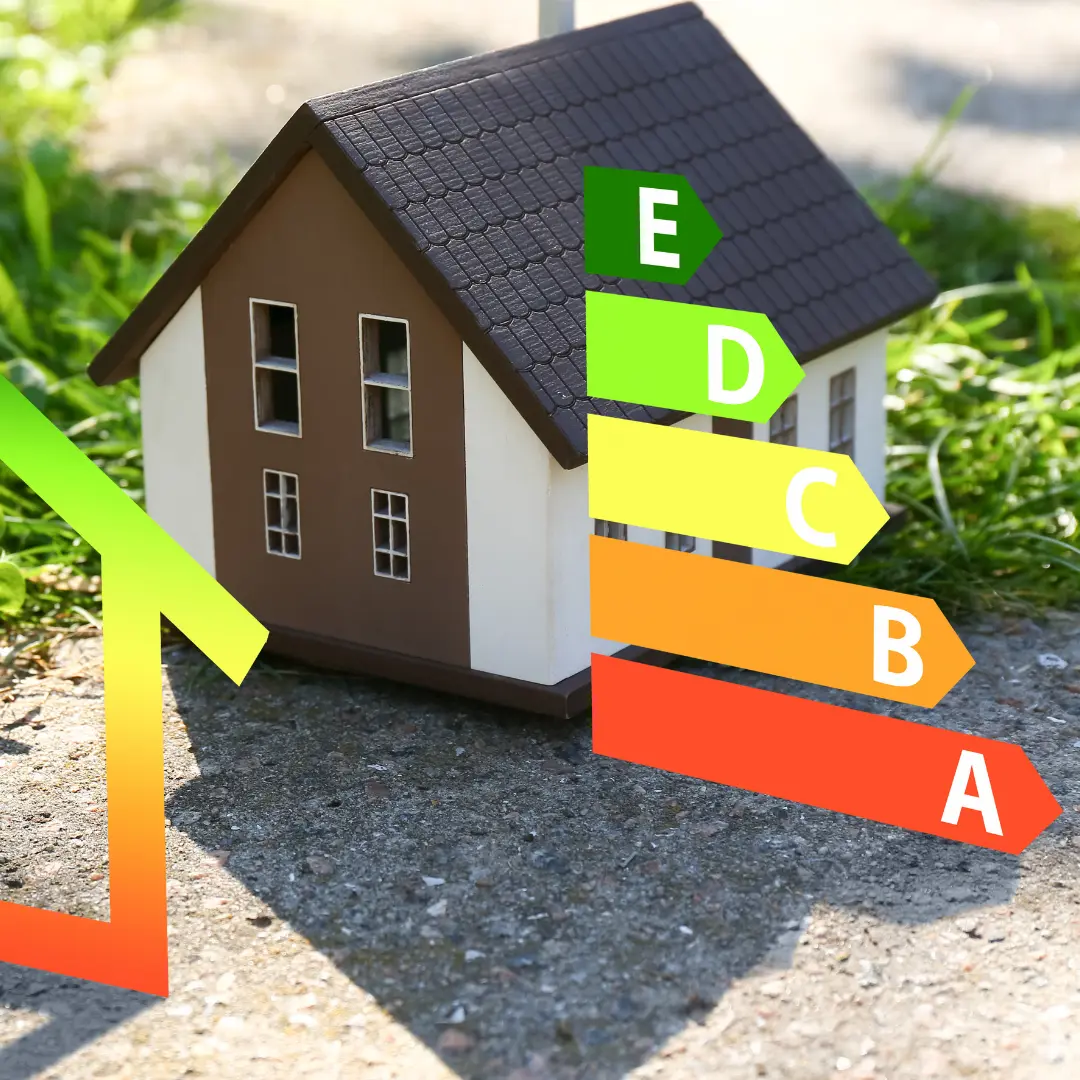

Understanding the Importance of Energy Efficiency
Before we delve into the strategies for energy-efficient heating systems, let"s first understand why it matters.
1.1. Environmental Benefits
Reduced greenhouse gas emissions: Energy-efficient heating systems produce fewer emissions, contributing to a healthier planet.
Conservation of natural resources: Lower energy consumption reduces the strain on fossil fuels and other non-renewable resources.
1.2. Economic Benefits
Lower energy bills: Efficient systems consume less energy, resulting in significant cost savings over time.
Increased property value: Homes equipped with energy-efficient heating systems often have a higher resale value.
Choose the Right Heating System
Selecting the right heating system is crucial for achieving energy efficiency. Here are some options to consider:
2.1. High-Efficiency Furnaces
Condensing furnaces: These units capture and reuse heat that would otherwise be wasted.
Variable-speed blowers: They adjust airflow to match the heating demand, saving energy.
2.2. Heat Pumps
Air-source heat pumps: Efficiently transfer heat between the indoor and outdoor environments.
Geothermal heat pumps: Utilize the stable temperature of the Earth to provide efficient heating.
2.3. Radiant Floor Heating
Radiant systems distribute heat evenly, reducing the need for high-temperature settings.
Can be used with various energy sources, such as solar and geothermal.
Regular Maintenance and Upkeep
Maintaining your heating system is essential to keep it running at peak efficiency:
3.1. Annual Inspections

Schedule professional inspections to identify and address any issues promptly.
Clean or replace filters regularly to ensure proper airflow.
3.2. Proper Insulation
Ensure your home is well-insulated to prevent heat loss.
Seal gaps and cracks around doors, windows, and ducts.
3.3. Smart Thermostats
Invest in a programmable or smart thermostat to control your heating system efficiently.
Set schedules that align with your daily routine and reduce heating when you"re not at home.
Zone Heating
Zone heating allows you to heat specific areas of your home, rather than the entire space. This strategy is highly effective for improving energy efficiency:
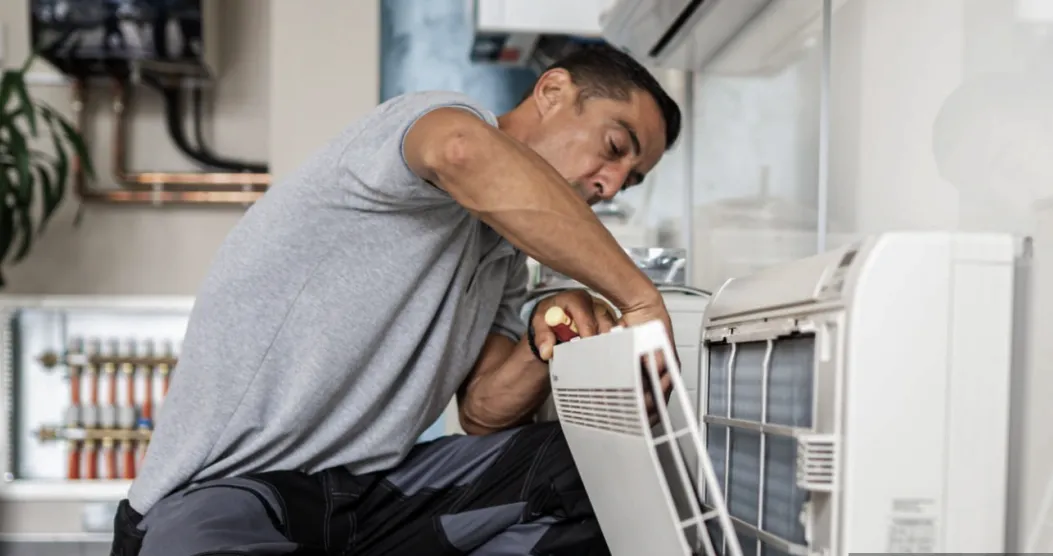
4.1. Ductless Mini-Splits
Install ductless mini-split systems in individual rooms or zones for precise temperature control.
Each zone can be heated or cooled independently, saving energy in unused spaces.
4.2. Radiator Valves
Install thermostatic radiator valves that allow you to control the temperature in each room.
Reduce heat in rooms that are seldom used.
Renewable Energy Sources
Integrating renewable energy sources can significantly enhance the energy efficiency of your heating system:
5.1. Solar Thermal Systems
Solar collectors can provide hot water or space heating directly from sunlight.
Reduce your reliance on fossil fuels and lower energy bills.
5.2. Biomass Heating
Biomass boilers and stoves use organic materials like wood pellets to generate heat.
A sustainable and carbon-neutral option for heating.
Energy-Efficient Practices
In addition to upgrading your heating system and optimizing its performance, there are several everyday practices that can enhance energy efficiency:
6.1. Dressing Warmly
Wear layers and cozy clothing to reduce the need for higher indoor temperatures.
6.2. Sealing Leaks
Regularly check for drafts and leaks and seal them promptly to prevent heat loss.
6.3. Use Ceiling Fans
Reverse the direction of your ceiling fans to circulate warm air downward in the winter.
Rebates and Incentives
Many governments and utility companies offer incentives and rebates for upgrading to energy-efficient heating systems. Take advantage of these programs to offset your initial investment and reduce the payback period.
Conclusion
Achieving energy efficiency in your heating system not only benefits the environment but also your wallet. By selecting the right heating system, conducting regular maintenance, implementing zone heating, incorporating renewable energy sources, and adopting energy-efficient practices, you can create a warm and comfortable living space while significantly reducing your energy consumption and costs. Embrace these expert strategies for energy-efficient heating systems and take a step towards a greener and more sustainable future.

Introduction: In carpentry, time is money, and workflow is the pulse that keeps the business alive. Yet, many carpenters need help with a disjointed workflow, stifling efficiency and sapping the joy o...
.webp)
Introduction: Carpentry more than just a trade, is an art form. The journey to mastery involves constantly honing one"s skills, a voyage where every chisel stroke and nail-driven shapes not just ...

In the world of woodworking, every piece of timber tells a story - a tale of craftsmanship, dedication, and wisdom. For aspiring woodworkers and seasoned artisans alike, this blog is a collection of T...

In the world of woodworking, every piece crafted is a note in the symphony of a carpenter"s career. Yet, to compose a melodious tune, one must prioritize the conductor - their health and longevity. Th...
In carpentry, precision isn"t just about chiselling wood; it"s about chiselling a successful business. Financial stability and growth are the building blocks of a carpentry enterprise. Welcome to "Cra...

In the world of woodworking, creating something beautiful is not just an art—it"s a responsibility. A responsibility towards the craft, the client, and most importantly, the safety and well-bein...
Sign up to start winning an unlimited amount of jobs near you.


 Electrician
Gas Engineer
Electrician
Gas Engineer


Send more enquiries and explore your options
Increasing the number of potentials leads for you!
Have more control and flexibility over your finances!