


1. Professional Consultation
Before you even start designing your extension, it"s crucial to consult with a structural engineer or architect. They can help you understand the load-bearing requirements and structural limitations of your existing home, as well as any relevant building codes or regulations in your area. This step is the foundation of your project and ensures that your extension is safe and compliant.
2. Foundation and Footings
The strength and stability of your extension begin with its foundation and footings. The type of foundation you need will depend on various factors, including soil conditions, the size and design of the extension, and local building codes. Common types of foundations include slab-on-grade, crawl space, and full basement. Ensure the foundation can support the additional weight and design of your extension.
3. Materials and Construction Techniques
Selecting appropriate materials and construction techniques is a vital part of the structural planning process. Consider whether you want to match the existing structure"s materials or go for a more modern or contrasting style. You should also assess the durability and longevity of materials to ensure the extension lasts for years.
4. Roofing and Support Structures
Roof design is an integral part of your extension"s structural considerations. Roofing must be robust, able to withstand local weather conditions, and blend harmoniously with your existing structure. If you"re adding height, think about the support structures needed to carry the added weight, including trusses or beams.
5. Building Codes and Regulations
Adherence to local building codes and regulations is a non-negotiable aspect of any extension project. These codes dictate minimum standards for structural safety, electrical, plumbing, and more. They vary from place to place, so be sure to obtain all necessary permits and work with professionals who understand local requirements.
6. Load-Bearing Walls and Supports
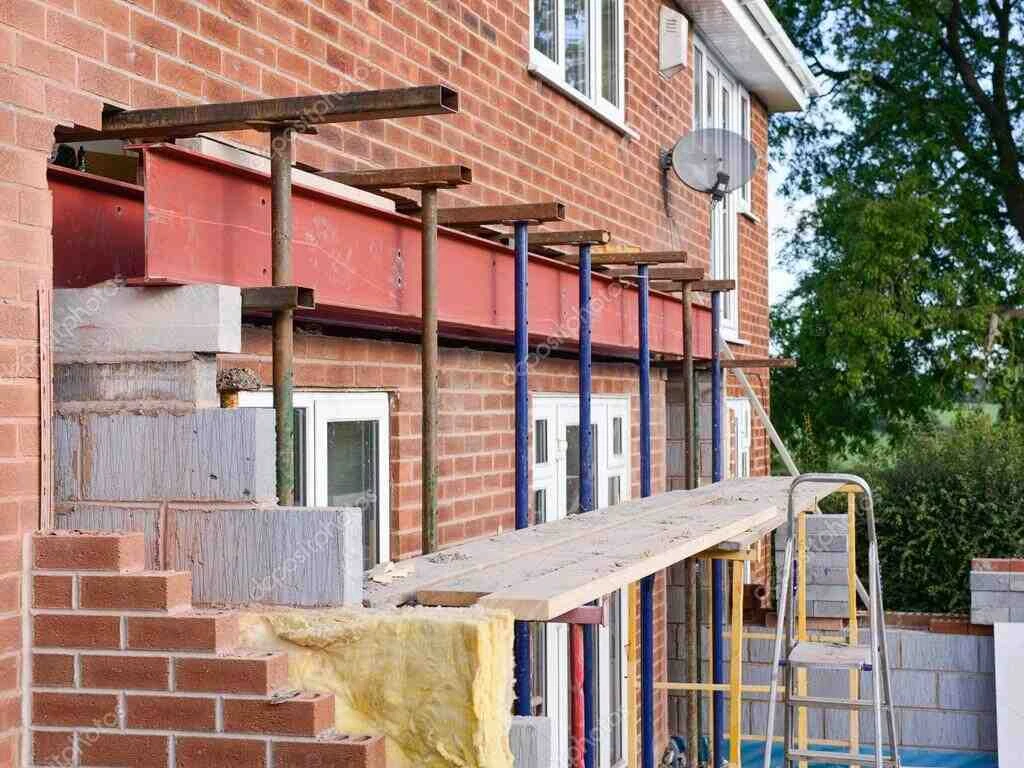
If your extension involves removing or altering load-bearing walls in your existing structure, it"s vital to have a clear plan for redistributing the weight. This may involve installing beams, columns, or other support structures to ensure the structural integrity of your home.
7. Drainage and Utilities
Extensions can often impact drainage and utility systems. Ensure that your extension design accounts for proper drainage to prevent water damage. Additionally, consider how utility lines (electricity, water, gas, etc.) will be extended to the new space and consult with professionals to ensure a safe and efficient connection.
8. Window and Door Openings
Windows and doors are critical components of an extension. The size and placement of openings can affect the structural integrity of the walls. It"s essential to consider factors such as header beams, lintels, and appropriate support to maintain the strength and stability of the structure while allowing for natural light and access.
9. Expansion Joints
Due to the nature of extensions, they may settle differently than the original structure over time. Expansion joints can help accommodate these variations and prevent structural issues. Consult with experts to determine where expansion joints are necessary and how they should be designed.
10. Regular Inspections
Throughout the construction process, schedule regular inspections to ensure that structural components are being implemented correctly. This includes foundation inspections, structural framing reviews, and other crucial checkpoints to verify the work"s quality and adherence to plans and codes.
Conclusion
Home extensions can be exciting and transformative projects, but they demand careful attention to structural considerations to ensure safety, durability, and compliance with local regulations. Collaborating with experienced professionals, such as architects, structural engineers, and contractors, is vital to navigate these complexities successfully. By addressing these structural considerations from the outset, you"ll be well on your way to creating a beautiful, functional, and structurally sound extension that seamlessly integrates with your existing home.

Introduction: In carpentry, time is money, and workflow is the pulse that keeps the business alive. Yet, many carpenters need help with a disjointed workflow, stifling efficiency and sapping the joy o...
.webp)
Introduction: Carpentry more than just a trade, is an art form. The journey to mastery involves constantly honing one"s skills, a voyage where every chisel stroke and nail-driven shapes not just ...

In the world of woodworking, every piece of timber tells a story - a tale of craftsmanship, dedication, and wisdom. For aspiring woodworkers and seasoned artisans alike, this blog is a collection of T...

In the world of woodworking, every piece crafted is a note in the symphony of a carpenter"s career. Yet, to compose a melodious tune, one must prioritize the conductor - their health and longevity. Th...
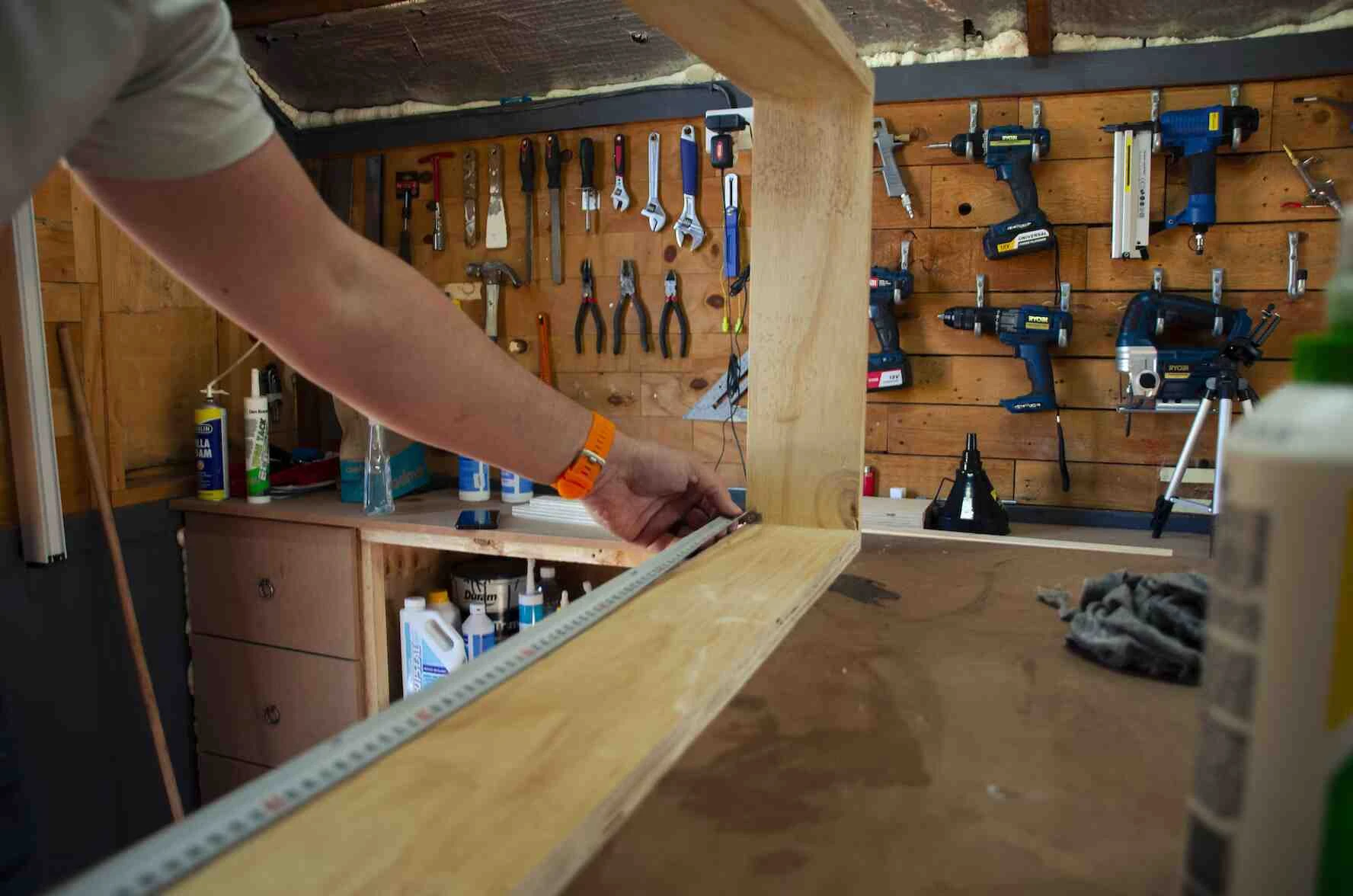
In carpentry, precision isn"t just about chiselling wood; it"s about chiselling a successful business. Financial stability and growth are the building blocks of a carpentry enterprise. Welcome to "Cra...

In the world of woodworking, creating something beautiful is not just an art—it"s a responsibility. A responsibility towards the craft, the client, and most importantly, the safety and well-bein...
Sign up to start winning an unlimited amount of jobs near you.


 Electrician
Gas Engineer
Electrician
Gas Engineer


Send more enquiries and explore your options
Increasing the number of potentials leads for you!
Have more control and flexibility over your finances!