


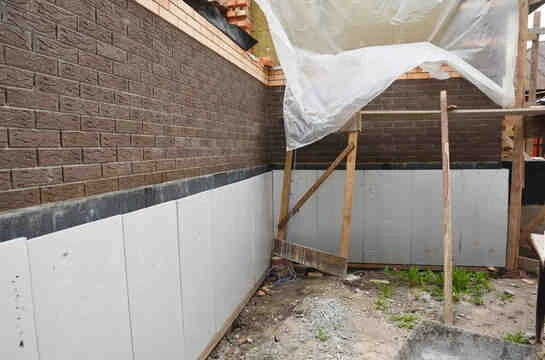
Understanding the Culprits:
Dampness in chimney breasts can be attributed to various factors, and pinpointing the cause is the first step to effective damp-proofing. Let"s explore some of the most common culprits:
1. Penetrating Damp:
Penetrating damp occurs when external water sources infiltrate the chimney stack. This can happen due to damaged or missing chimney pots, deteriorated mortar joints, or cracked chimney flaunching. Rainwater penetration is a significant cause of penetrating damp in chimney breasts.
2. Condensation:
Condensation can form on the internal surfaces of chimney breasts, particularly in unused or under-ventilated fireplaces. When warm, moist air meets cold chimney walls, it can lead to condensation, which can ultimately result in dampness.
3. Rising Damp:
Rising damp occurs when moisture from the ground travels up through capillary action, affecting the lower sections of chimney breasts. This is more common in older buildings with porous masonry.
4. Faulty Flashing:
Flashing is used to prevent water from seeping into the joint between the chimney and the roof. When flashing deteriorates, it can allow water to enter, leading to dampness in the chimney breast and surrounding areas.
Now that we"ve identified the common causes, it"s time to explore how to effectively damp-proof your chimney breast.
Effective Damp-Proofing Techniques:
Regular Maintenance: Prevention is often the best solution. Regular maintenance, including inspections and repairs of the chimney stack, can help identify and address issues before they escalate.
Repointing and Rebuilding: If the chimney"s mortar joints are eroded, repointing can help prevent moisture penetration. In more severe cases, rebuilding the chimney may be necessary.
Chimney Pot Replacement: Damaged or missing chimney pots should be replaced to prevent rainwater from entering the stack.
Flaunching Repair: Ensure the flaunching, the mortar around the base of the chimney pot, is in good condition. If it"s damaged, repairing it can prevent water infiltration.
Flashing Replacement: Faulty flashing should be replaced to create a watertight seal between the chimney and the roof.
Ventilation: Proper ventilation in the chimney can help reduce condensation. Ventilators or air bricks can be added to ensure air circulation.
Damp-Proofing Creams: For rising damp, damp-proofing creams can be injected into the masonry to create a barrier against moisture.
Internal Tanking: In cases of severe dampness, internal tanking, which involves applying a waterproof coating or membrane to the interior of the chimney breast, can be effective.
Chimney Capping: Capping the chimney can prevent moisture from entering when the fireplace is not in use.
Insulation: Adding insulation can help keep the chimney breast warmer and reduce the risk of condensation.
The Importance of Professional Help:
While some of these methods can be attempted by homeowners, it"s crucial to acknowledge that chimney damp-proofing is a complex and often specialized task. Seeking professional assistance is advisable, as experts can identify the root cause of the issue and implement appropriate, long-lasting solutions.
Moreover, professional damp-proofing services have access to specialized equipment and materials that may not be readily available to the average homeowner. They can also provide warranties and guarantees for their work, offering peace of mind that the issue will be resolved effectively.
Conclusion:
Dampness in chimney breasts can cause a range of problems, from structural damage to health concerns. Identifying the cause and implementing the right damp-proofing techniques is essential to preserve the integrity and beauty of your chimney. Regular maintenance and professional assistance are crucial to ensuring that your chimney remains both functional and aesthetically pleasing.
By addressing damp issues promptly and effectively, you can continue to enjoy the warmth and charm of your fireplace without the worry of hidden moisture-related problems. Don"t let dampness cast a shadow over your chimney; take action to keep it dry and in optimal condition.
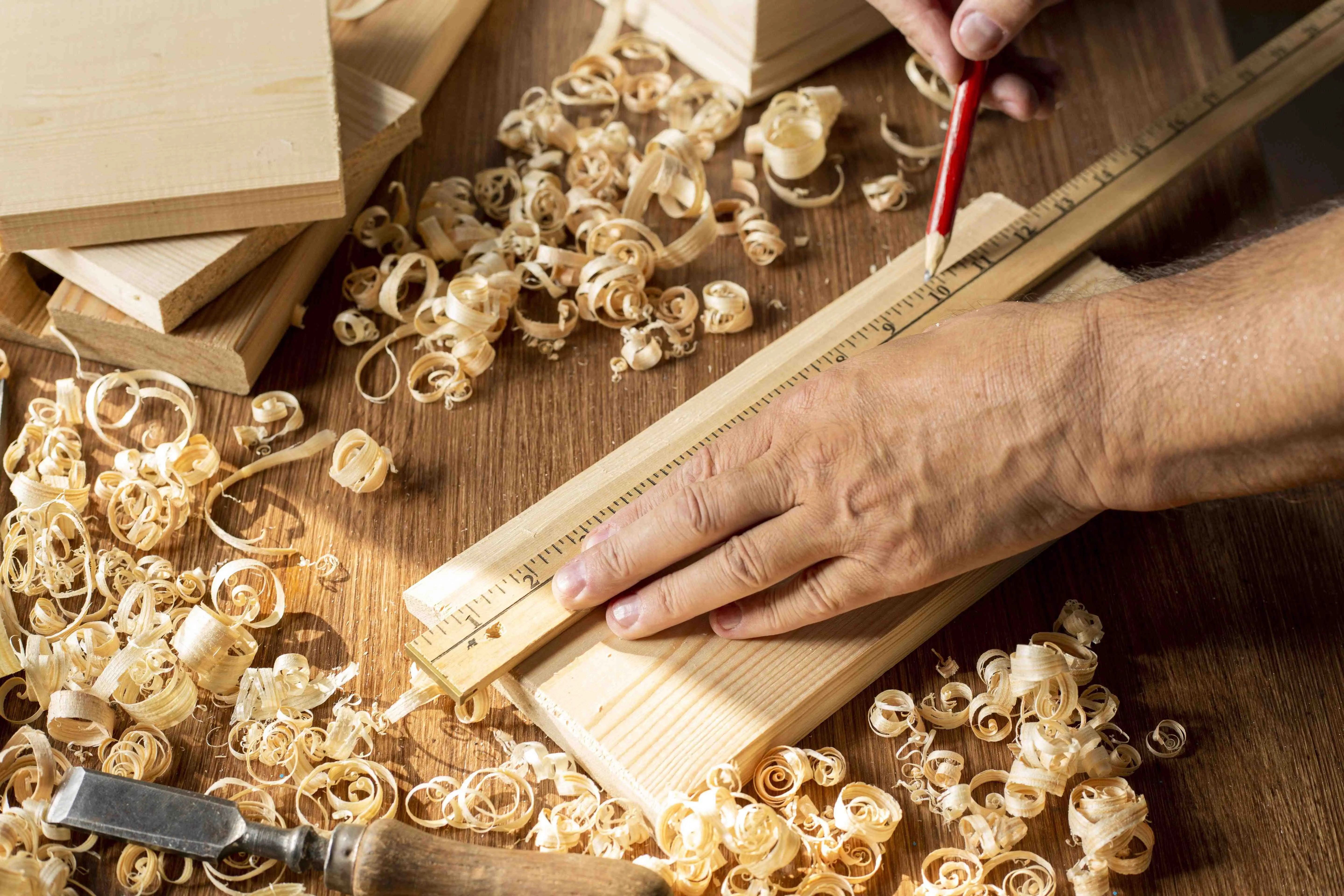
Introduction: In carpentry, time is money, and workflow is the pulse that keeps the business alive. Yet, many carpenters need help with a disjointed workflow, stifling efficiency and sapping the joy o...
.webp)
Introduction: Carpentry more than just a trade, is an art form. The journey to mastery involves constantly honing one"s skills, a voyage where every chisel stroke and nail-driven shapes not just ...
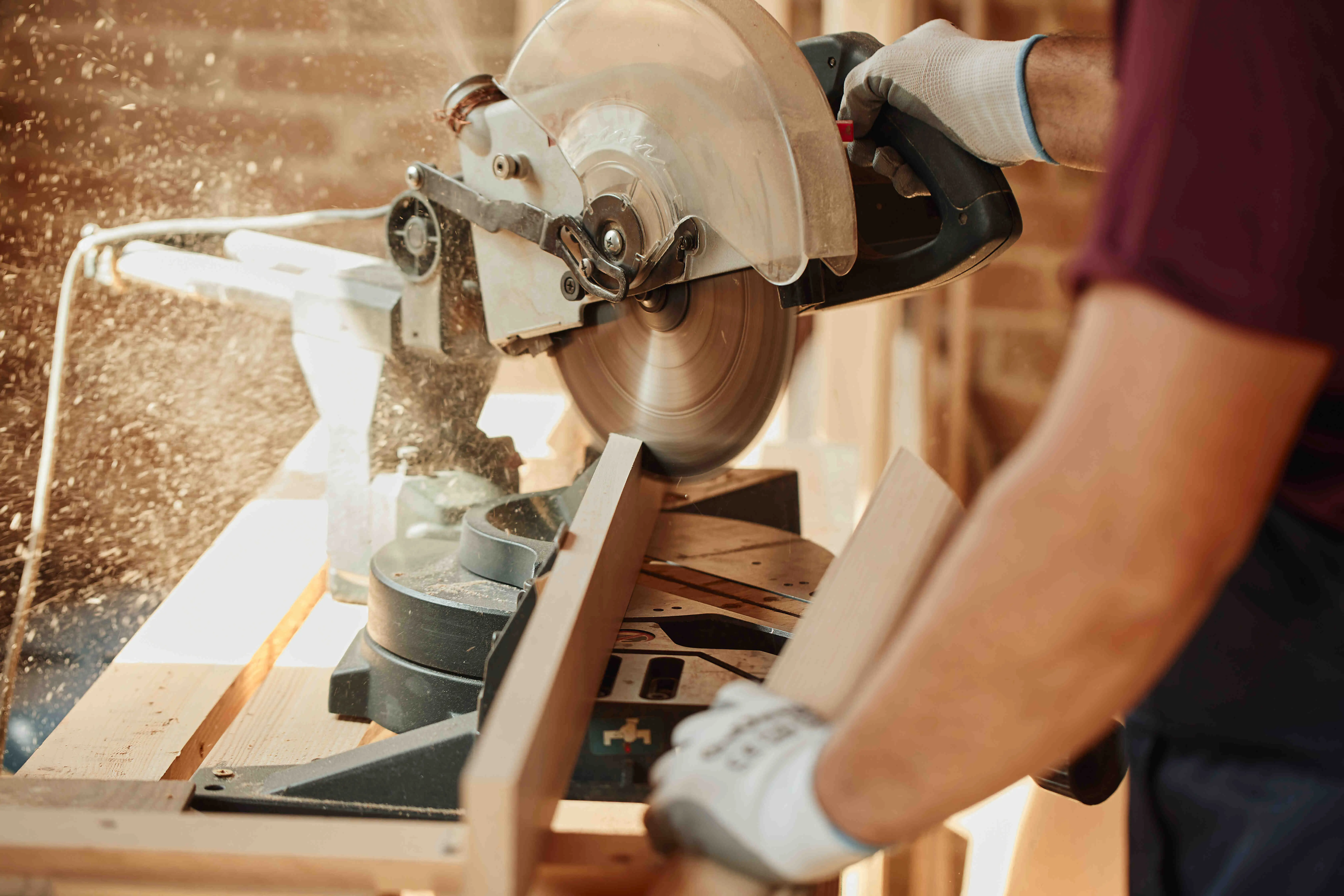
In the world of woodworking, every piece of timber tells a story - a tale of craftsmanship, dedication, and wisdom. For aspiring woodworkers and seasoned artisans alike, this blog is a collection of T...
In the world of woodworking, every piece crafted is a note in the symphony of a carpenter"s career. Yet, to compose a melodious tune, one must prioritize the conductor - their health and longevity. Th...
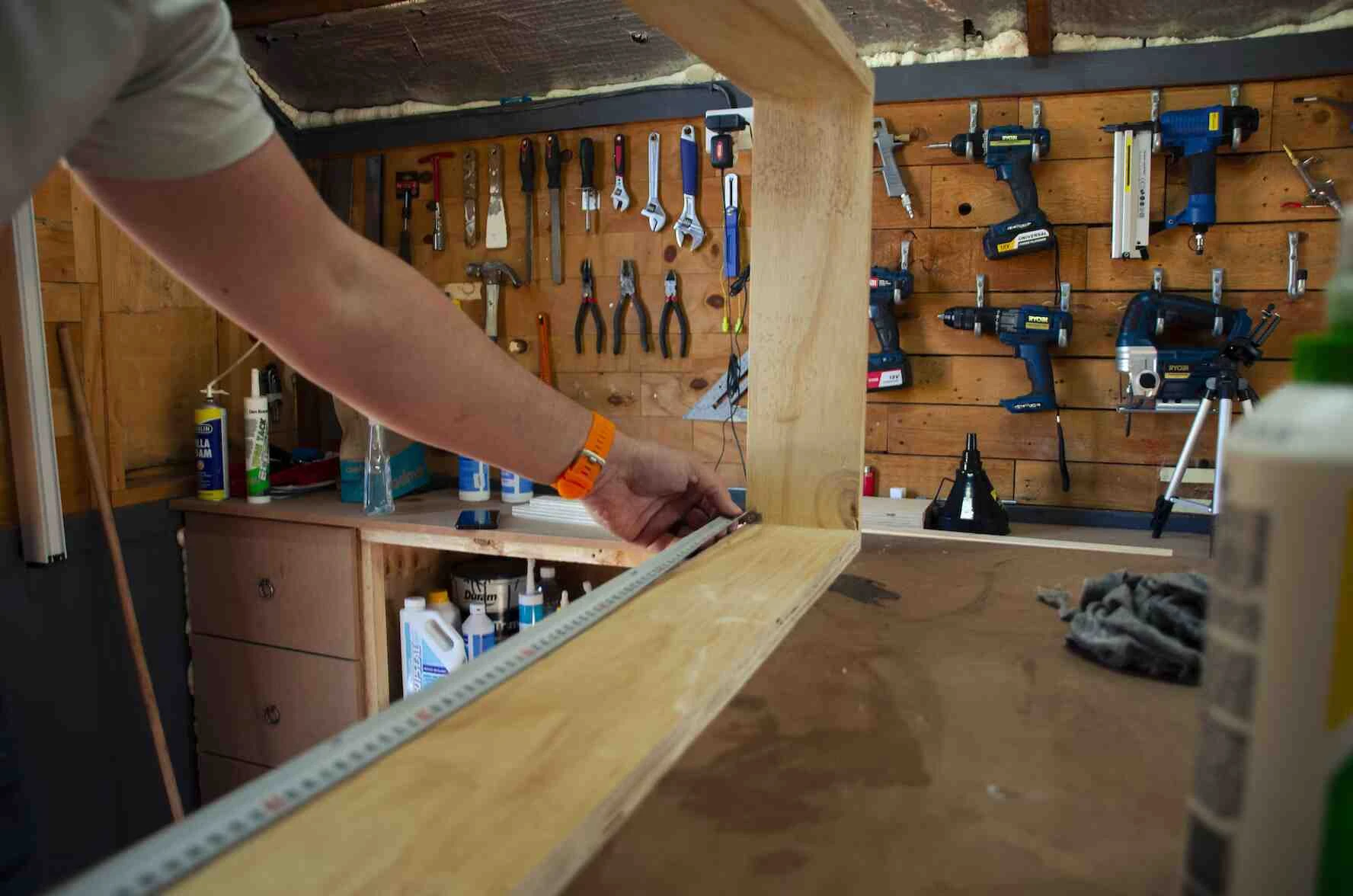
In carpentry, precision isn"t just about chiselling wood; it"s about chiselling a successful business. Financial stability and growth are the building blocks of a carpentry enterprise. Welcome to "Cra...

In the world of woodworking, creating something beautiful is not just an art—it"s a responsibility. A responsibility towards the craft, the client, and most importantly, the safety and well-bein...
Sign up to start winning an unlimited amount of jobs near you.


 Electrician
Gas Engineer
Electrician
Gas Engineer


Send more enquiries and explore your options
Increasing the number of potentials leads for you!
Have more control and flexibility over your finances!