


Understanding the Problem: The Need for Dust Control
Before we dive into evaluating dust control products, it"s essential to grasp the scope of the problem they aim to address. Dust, essentially fine particles of solid matter suspended in the air, is generated from various sources. Some of the primary contributors include:
Construction and Demolition: Construction sites are notorious for generating large quantities of dust due to activities such as drilling, cutting, and concrete mixing.
Mining and Quarrying: The extraction of minerals and resources from the earth can result in significant dust emissions, impacting both workers and the surrounding environment.
Agriculture: Agricultural activities like tilling, plowing, and harvesting can release dust into the atmosphere, potentially harming crops, animals, and human health.
Industrial Operations: Various manufacturing processes, such as welding and grinding, release dust, endangering the health of workers and product quality.
Residential Areas: Even everyday activities, like mowing lawns, can contribute to dust in the environment.
To mitigate these problems, dust control products come into play. They work by suppressing or capturing dust particles, making the air cleaner and safer. The challenge lies in selecting the most effective solution for a specific application.
Types of Dust Control Products
Dust control products come in various forms, each designed to address particular scenarios and challenges. Let"s explore some of the most common types:
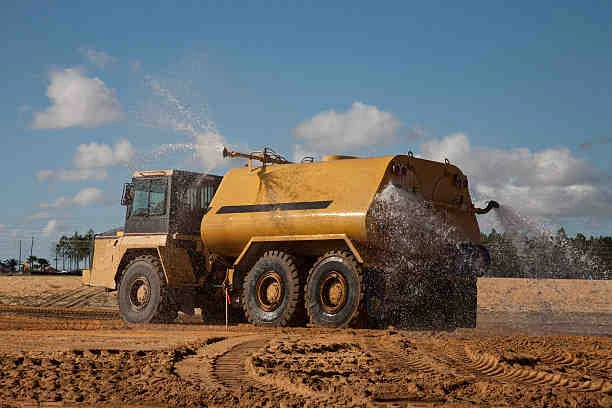
Water-Based Dust Suppressants: Water is a versatile and eco-friendly dust control solution. It can be sprayed onto surfaces or roads to keep dust particles from becoming airborne. However, it may not be suitable for long-term use in arid regions.
Chemical Dust Suppressants: These are chemical additives that can be applied to soil or surfaces to reduce dust emissions. They may be classified as non-petroleum or petroleum-based, and their effectiveness varies depending on the product.
Dust Control Mats: Dust control mats are often used in commercial and industrial settings, helping trap dust and dirt at entry points. They are particularly useful in maintaining indoor air quality.
Dust Control Sprays: These sprays typically consist of polymers or natural materials that adhere to dust particles, preventing them from becoming airborne. They are commonly used in construction and mining.
Dust Control Barriers: Physical barriers like windbreaks, fences, and vegetation can help reduce dust emissions. While they may not eliminate dust entirely, they can significantly mitigate its effects.
Dust Collectors: In industrial settings, dust collectors are essential equipment. They capture and filter dust particles from the air, preventing their release into the environment.
Evaluating the Effectiveness of Dust Control Products
Now that we have an understanding of the various types of dust control products, the next step is to evaluate their effectiveness. Here are some key factors to consider when assessing these products:
Type of Dust: The type of dust you are dealing with can significantly influence the choice of dust control product. Some products are better suited for fine particulate matter, while others work more effectively with coarser materials. Understanding the nature of the dust at your site is crucial.
Environmental Considerations: Environmental factors like climate, humidity, and wind patterns can impact the performance of dust control products. For instance, water-based suppressants may not be as effective in arid regions with low humidity.
Longevity: Some products offer short-term solutions, while others provide long-lasting dust control. Consider the frequency of application and maintenance required to keep dust in check.
Cost-Benefit Analysis: Evaluate the cost of the product in relation to the benefits it provides. Cheaper options might require more frequent applications, potentially costing more in the long run. A cost-benefit analysis can help in making an informed decision.
Regulatory Compliance: Ensure that the product you choose complies with local and national regulations regarding dust control. Non-compliance can lead to fines and legal issues.
Health and Safety: The health and safety of workers and the community should be a top priority. Some dust control products may have health implications, so it"s essential to assess the potential risks.
Ease of Application: Consider how easy it is to apply and maintain the product. Complicated application procedures might require specialized equipment or skilled personnel.
Track Record: Research the product"s track record in similar applications. User reviews and case studies can provide valuable insights into its effectiveness.
Sustainability: Given the increasing emphasis on sustainability, consider whether the dust control product aligns with your environmental goals. Products with low environmental impact should be given preference.
Customization: Look for products that can be tailored to your specific needs. A one-size-fits-all approach may not be as effective as a customized solution.
Conclusion
In conclusion, the evaluation of dust control products is a crucial step in mitigating the adverse effects of dust in various industries and applications. With the multitude of options available, it"s essential to consider factors such as the type of dust, environmental conditions, cost, compliance, and safety when selecting the most effective solution.
Dust control products play a vital role in maintaining clean and safe environments, protecting both human health and the natural world. By making informed choices based on the factors outlined in this article, we can take significant strides towards achieving effective dust control and a healthier, more sustainable future.

In the era of climate change and environmental consciousness, sustainable building practices have gained immense importance. One of the critical aspects of sustainable construction is the selection of...

When it comes to making our homes and buildings more energy-efficient, insulation materials play a crucial role. They help regulate indoor temperatures, reduce energy consumption, and lower heating an...

Smart building technologies have revolutionized the way we design, construct, and manage buildings. These technologies leverage the power of the Internet of Things (IoT) to enhance building ef...

Selecting the right flooring material is a crucial decision when it comes to interior design and construction projects. Flooring not only impacts the aesthetics of a space but also affects its functio...

Windows and doors are more than just functional components of a building; they are key architectural elements that can dramatically impact a structure"s aesthetics, energy efficiency, and overall appe...

Innovative structural materials have been at the forefront of modern construction, pushing the boundaries of what is possible in terms of strength, sustainability, and design. As the construction indu...
Sign up to start winning an unlimited amount of jobs near you.


 Electrician
Gas Engineer
Electrician
Gas Engineer


Send more enquiries and explore your options
Increasing the number of potentials leads for you!
Have more control and flexibility over your finances!