

1. Material Type
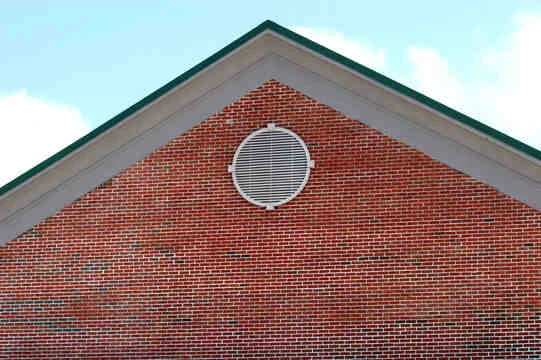
The type of material you choose has a profound impact on the roofline"s durability. Common materials used in rooflines include wood, aluminum, vinyl, and various composites. Each material has its own set of characteristics and lifespan.
- Wood: While wood can be visually appealing, it"s vulnerable to rot, insects, and water damage, making it one of the less durable options.
- Aluminum: Aluminum is corrosion-resistant and lightweight, making it suitable for roofline applications. It offers good durability but can be susceptible to denting.
- Vinyl: Vinyl is a low-maintenance material that resists rot, insects, and water. It"s known for its longevity, though it can be prone to fading over time.
- Composites: Composite materials, such as PVC or fiber cement, offer a good balance of durability and aesthetic appeal. They are resistant to rot, insects, and weather conditions.
2. Weather Resistance
Evaluating a material"s ability to withstand various weather conditions is crucial for durability. Rooflines are constantly exposed to rain, snow, wind, and UV radiation. The ideal material should be weather-resistant and maintain its integrity over time. Consider how each material fares in your region"s specific climate.
3. Maintenance Requirements
The durability of roofline materials can also depend on maintenance needs. Some materials may require more frequent cleaning, sealing, or painting to maintain their longevity. Lower-maintenance materials can be a practical choice for homeowners who prefer hassle-free upkeep.
4. Impact Resistance
Rooflines can be susceptible to impacts from hail, falling branches, or debris in high-wind areas. Evaluate the material"s impact resistance to ensure it can withstand potential damage without compromising its integrity.
5. Fire Resistance
Fire resistance is another crucial factor, especially in areas prone to wildfires. Materials that are fire-resistant offer an added layer of safety and durability.
6. Colorfastness
Over time, the color of roofline materials may fade due to exposure to UV radiation. Assess how well a material maintains its color, and consider selecting materials with built-in UV protection for enhanced longevity.
7. Moisture Resistance
Moisture resistance is particularly important in regions with high humidity or frequent rain. Materials that resist moisture absorption and are less susceptible to rotting and warping tend to be more durable.
8. Pest Resistance
Insect damage can affect the longevity of roofline materials, particularly wood. Materials that are naturally resistant to insects or treated to be insect-resistant can have a longer lifespan.
9. Warranty
Manufacturers often provide warranties on their roofline materials. Review these warranties carefully to understand what is covered and for how long. A longer warranty period typically reflects the manufacturer"s confidence in the material"s durability.
10. Installation Quality
The installation process plays a significant role in the overall durability of roofline materials. Proper installation ensures that the materials are securely attached and sealed, preventing water infiltration and other potential issues.
Conclusion
Evaluating the durability of roofline materials is an essential step in ensuring the long-term performance and longevity of your roofline. By considering material type, weather resistance, maintenance requirements, and other factors, you can make an informed decision that will result in a roofline that stands strong against the elements and endures for many years to come. Consulting with professionals in the roofing industry can also provide valuable insights into the best material choices for your specific project and location.
In the era of climate change and environmental consciousness, sustainable building practices have gained immense importance. One of the critical aspects of sustainable construction is the selection of...
When it comes to making our homes and buildings more energy-efficient, insulation materials play a crucial role. They help regulate indoor temperatures, reduce energy consumption, and lower heating an...

Smart building technologies have revolutionized the way we design, construct, and manage buildings. These technologies leverage the power of the Internet of Things (IoT) to enhance building ef...
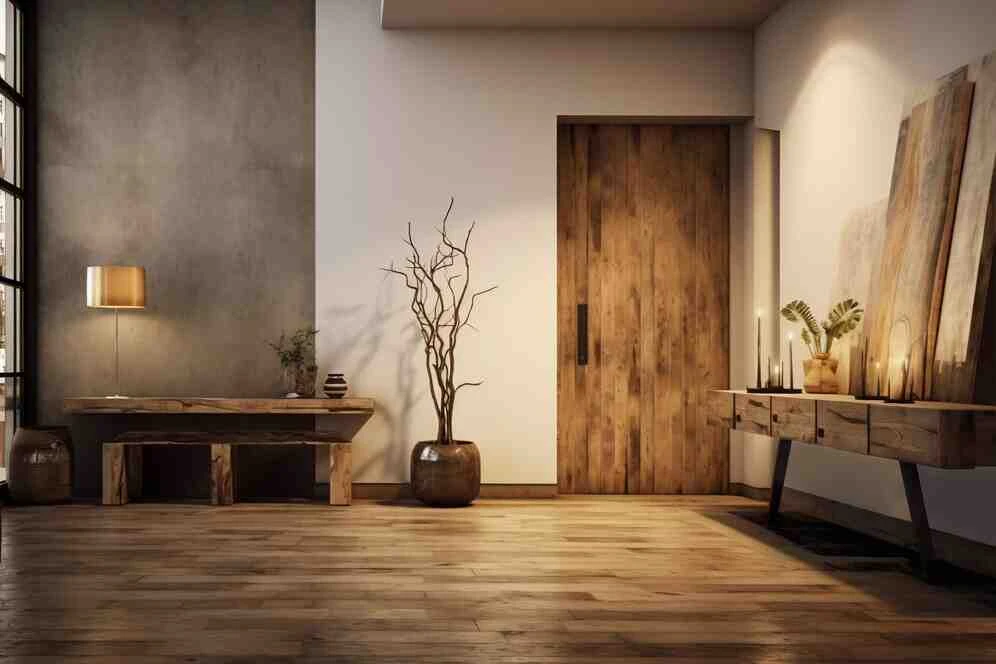
Selecting the right flooring material is a crucial decision when it comes to interior design and construction projects. Flooring not only impacts the aesthetics of a space but also affects its functio...
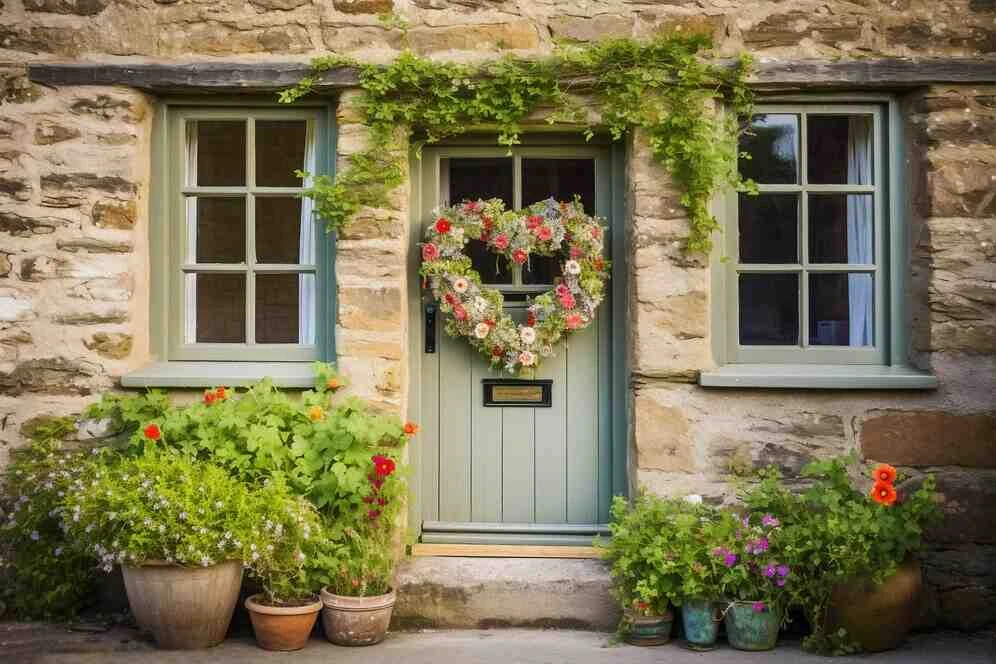
Windows and doors are more than just functional components of a building; they are key architectural elements that can dramatically impact a structure"s aesthetics, energy efficiency, and overall appe...

Innovative structural materials have been at the forefront of modern construction, pushing the boundaries of what is possible in terms of strength, sustainability, and design. As the construction indu...
Sign up to start winning an unlimited amount of jobs near you.


 Electrician
Gas Engineer
Electrician
Gas Engineer


Send more enquiries and explore your options
Increasing the number of potentials leads for you!
Have more control and flexibility over your finances!