

The Consequences of Dampness
Before we discuss insulation options, let"s understand why damp-proofing is so important. Dampness in a home can lead to a wide range of problems, including:
Structural Damage: Dampness can weaken the structural integrity of your home, causing wood rot, rusting of metal components, and damage to masonry and concrete.
Mold and Mildew: Excess moisture creates the perfect breeding ground for mold and mildew, which can have severe health implications, especially for individuals with respiratory issues.
Energy Inefficiency: Dampness can compromise the efficiency of your insulation, making it harder to maintain a comfortable indoor temperature and increasing energy bills.
Unpleasant Odors: Damp environments often lead to musty, unpleasant odors that can permeate your living space.
Reduced Property Value: A damp, moldy home is not only unpleasant to live in but can significantly reduce your property"s resale value.
With these consequences in mind, let"s explore insulation options to combat dampness effectively.
1. Spray Foam Insulation
Spray foam insulation is a highly effective option for damp-proofing. It creates a moisture barrier that prevents damp air from infiltrating your home. This type of insulation expands and fills even the tiniest cracks, providing an airtight seal that keeps moisture out. It"s also excellent for improving energy efficiency, making it a popular choice among homeowners.
Pros:
Superior moisture resistance.
Excellent for sealing gaps and cracks.
Provides high R-value (a measure of thermal resistance).
Reduces energy bills.
Cons:
Requires professional installation.
More expensive than some other options.
2. Rigid Foam Insulation
Rigid foam insulation is another powerful contender in the battle against dampness. It"s particularly suitable for insulating basement walls and crawl spaces, two areas prone to moisture problems. This type of insulation is resistant to moisture and doesn"t degrade over time, making it a reliable choice for damp-proofing.
Pros:
High resistance to moisture.
Ideal for basement and crawl space insulation.
Excellent thermal resistance.
Lightweight and easy to work with.
Cons:
May require special tools and materials for installation.
Can be relatively more expensive than some alternatives.
3. Fiberglass Insulation
Fiberglass insulation is one of the most common types found in homes today. While it"s not as moisture-resistant as spray foam or rigid foam insulation, it can still offer some damp-proofing benefits. When properly installed with a vapor barrier, fiberglass insulation can help prevent moisture intrusion.
Pros:
Affordable and widely available.
Effective with a vapor barrier.
Good thermal insulation properties.
Can be a DIY project for some homeowners.
Cons:
Requires careful installation with a vapor barrier.
Susceptible to moisture damage if not properly sealed.
4. Cellulose Insulation
Cellulose insulation is an eco-friendly option that is known for its resistance to moisture. Made from recycled paper products treated with fire and insect-resistant chemicals, it can be a great choice for damp-proofing while also being kind to the environment.
Pros:
Excellent moisture resistance.
Environmentally friendly.
Good thermal performance.
Can be blown into hard-to-reach areas.
Cons:
Can settle over time, reducing effectiveness.
Installation may require special equipment.
5. Closed-Cell Spray Foam
Closed-cell spray foam insulation is similar to traditional spray foam but with a higher density. It provides an even more effective moisture barrier and is ideal for areas with extreme dampness issues. This type of insulation creates an impermeable seal that prevents moisture from entering your home.
Pros:
Exceptional moisture resistance.
Highest R-value among insulation types.
Strong structural support.
Effective air barrier.
Cons:
Requires professional installation.
Higher cost compared to other options.
Conclusion
In the battle against dampness, the right insulation can be your most potent weapon. Each of the insulation options mentioned has its strengths and weaknesses, making the choice a matter of personal preference and specific needs.
Before making a decision, it"s crucial to assess your home"s dampness risk, your budget, and your climate. For extreme moisture issues, closed-cell spray foam or rigid foam insulation might be the best choices. If you"re looking for a cost-effective solution, fiberglass insulation with a proper vapor barrier can still do the job. Eco-conscious homeowners might lean towards cellulose insulation.
Remember, proper installation is just as crucial as the insulation material itself. If you"re not confident in your DIY skills, it"s best to hire a professional to ensure that the insulation is installed correctly, optimizing its damp-proofing capabilities.
In the end, the right insulation can protect your home from the perils of dampness, ensuring your living space remains comfortable, structurally sound, and free from the headaches that moisture-related issues can bring. So, make your choice wisely and invest in the well-being of your home and family.

In the era of climate change and environmental consciousness, sustainable building practices have gained immense importance. One of the critical aspects of sustainable construction is the selection of...
When it comes to making our homes and buildings more energy-efficient, insulation materials play a crucial role. They help regulate indoor temperatures, reduce energy consumption, and lower heating an...

Smart building technologies have revolutionized the way we design, construct, and manage buildings. These technologies leverage the power of the Internet of Things (IoT) to enhance building ef...
Selecting the right flooring material is a crucial decision when it comes to interior design and construction projects. Flooring not only impacts the aesthetics of a space but also affects its functio...
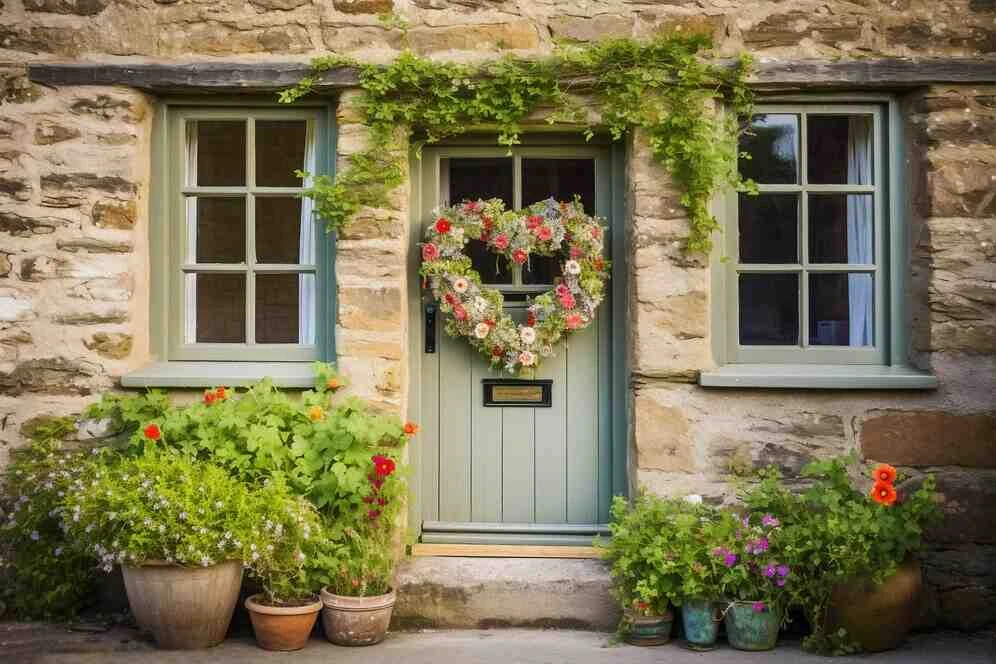
Windows and doors are more than just functional components of a building; they are key architectural elements that can dramatically impact a structure"s aesthetics, energy efficiency, and overall appe...

Innovative structural materials have been at the forefront of modern construction, pushing the boundaries of what is possible in terms of strength, sustainability, and design. As the construction indu...
Sign up to start winning an unlimited amount of jobs near you.


 Electrician
Gas Engineer
Electrician
Gas Engineer


Send more enquiries and explore your options
Increasing the number of potentials leads for you!
Have more control and flexibility over your finances!