


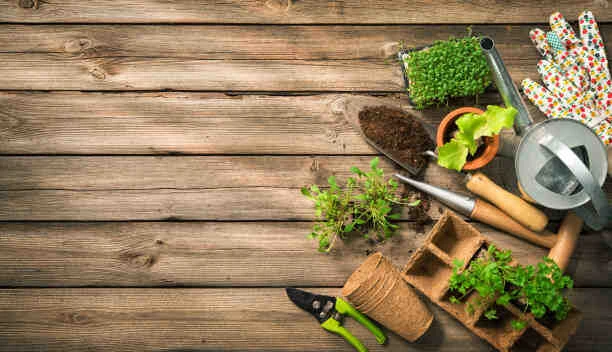
**Understanding Your Garden"s Needs**
Before diving into the evaluation of irrigation systems, it"s crucial to understand the unique requirements of your garden. Consider the following factors:
1. **Plant Types**: Different plants have varying water requirements. Determine the types of plants in your garden and their specific needs, such as flowers, shrubs, or vegetables.
2. **Soil Type**: The soil"s composition affects water retention and drainage. Knowing your soil type helps determine watering frequency and the irrigation system"s flow rate.
3. **Climate**: Consider your local climate, including rainfall patterns and temperature. Gardens in arid regions have different water needs than those in areas with regular rainfall.
4. **Garden Size**: The size of your garden affects the choice of irrigation system. Larger gardens may benefit from automated systems, while smaller spaces may do well with manual methods.
5. **Budget**: Understand your budget for installation and maintenance. Different irrigation systems have varying upfront costs and operational expenses.
**Evaluating Garden Irrigation Systems**
Now that you have a better understanding of your garden"s requirements, let"s evaluate the most common garden irrigation systems:
1. **Drip Irrigation**
**Pros**:
- Highly efficient: Delivers water directly to plant roots, minimizing evaporation.
- Reduces weed growth: Water is targeted, reducing weed competition for moisture.
- Can be automated: Easily integrated with timers and controllers.
- Minimal water wastage: Ideal for conserving water.
**Cons**:
- Initial setup: Requires installation of tubing and emitters.
- Clogging: Emitters may clog over time, requiring maintenance.
- Not suitable for large areas: Best for small to medium-sized gardens.
2. **Sprinkler Irrigation**
**Pros**:
- Covers a large area: Ideal for expansive gardens or lawns.
- Uniform distribution: Sprinklers provide even coverage across the landscape.
- Can be automated: Easily controlled with timers or controllers.
- Suitable for various plant types.
**Cons**:
- Water wastage: Sprinklers can lose water to evaporation and wind.
- Prone to overspray: Can water areas where it"s not needed.
- High maintenance: Regular inspections and adjustments may be necessary.
3. **Soaker Hoses**
**Pros**:
- Simple and cost-effective: Easy to install and move.
- Targeted watering: Delivers water directly to the soil around plants.
- Minimizes evaporation: Reduces water loss.
- Good for garden beds and vegetable rows.
**Cons**:
- Limited coverage: May not work well for larger garden spaces.
- Prone to damage: Soaker hoses can be easily damaged by foot traffic or equipment.
- Manual operation: Typically requires manual setup and adjustment.
4. **Automatic Irrigation Systems**
**Pros**:
- Convenience: Can be programmed to water at specific times and durations.
- Efficient: Offers precise control over watering, reducing waste.
- Suitable for various garden sizes.
- Customizable: Can be adjusted to meet specific plant needs.
**Cons**:
- Initial cost: Installation and equipment can be expensive.
- Complexity: May require professional installation.
- Maintenance: Periodic checks and adjustments are necessary.
**Conclusion**
Evaluating garden irrigation systems involves considering your garden"s unique characteristics and requirements. Drip irrigation, sprinkler systems, soaker hoses, and automatic irrigation systems all have their advantages and limitations. Ultimately, the choice of system will depend on your garden size, plant types, budget, and personal preferences. By selecting the right irrigation system, you can ensure your garden remains lush and healthy while conserving water and reducing maintenance efforts.
In the era of climate change and environmental consciousness, sustainable building practices have gained immense importance. One of the critical aspects of sustainable construction is the selection of...

When it comes to making our homes and buildings more energy-efficient, insulation materials play a crucial role. They help regulate indoor temperatures, reduce energy consumption, and lower heating an...

Smart building technologies have revolutionized the way we design, construct, and manage buildings. These technologies leverage the power of the Internet of Things (IoT) to enhance building ef...
Selecting the right flooring material is a crucial decision when it comes to interior design and construction projects. Flooring not only impacts the aesthetics of a space but also affects its functio...

Windows and doors are more than just functional components of a building; they are key architectural elements that can dramatically impact a structure"s aesthetics, energy efficiency, and overall appe...

Innovative structural materials have been at the forefront of modern construction, pushing the boundaries of what is possible in terms of strength, sustainability, and design. As the construction indu...
Sign up to start winning an unlimited amount of jobs near you.


 Electrician
Gas Engineer
Electrician
Gas Engineer


Send more enquiries and explore your options
Increasing the number of potentials leads for you!
Have more control and flexibility over your finances!