


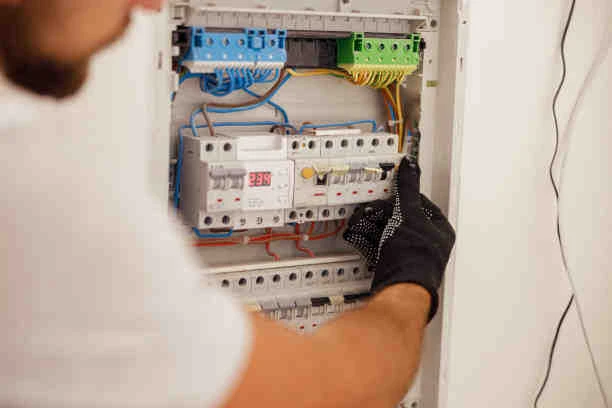
## Understanding Electrical Control Systems
Electrical control systems encompass a wide range of technologies and solutions, including:
- **Lighting Control Systems:** These systems enable you to manage the lighting in a space, adjusting brightness, color, and scheduling, which enhances energy efficiency and comfort.
- **HVAC Control Systems:** Heating, ventilation, and air conditioning systems are controlled to maintain optimal temperature and humidity levels while minimizing energy consumption.
- **Security and Surveillance Systems:** These include access control, surveillance cameras, and intrusion detection systems to protect properties and ensure safety.
- **Energy Management Systems:** These systems monitor energy consumption and optimize usage to reduce costs and environmental impact.
## Factors to Consider
### 1. Scalability
For businesses and larger homes, scalability is a vital consideration. Ensure that the control system can accommodate future expansions and changing needs. A scalable system allows for the addition of new devices and zones without a complete overhaul.
### 2. Compatibility
Evaluate the compatibility of the control system with existing electrical devices and infrastructure. Compatibility issues can lead to added costs and complications during installation and integration.
### 3. User-Friendly Interface
A user-friendly interface is essential for efficient control. Whether it"s a mobile app or a centralized touchpad, the interface should be intuitive and easily navigable for both residents and employees.
### 4. Integration and Interoperability
In today"s smart world, systems should be able to work together seamlessly. Ensure that your control system can integrate with other smart devices and technologies, such as voice assistants, thermostats, and security cameras.
### 5. Customization
Every home or business has unique requirements. The control system should allow for customization, enabling you to tailor settings and automation routines to your specific needs.
### 6. Energy Efficiency
Energy efficiency is essential for both cost savings and environmental responsibility. The control system should have features to optimize energy use, such as scheduling, occupancy sensors, and load shedding.
### 7. Remote Access and Monitoring
Remote access and monitoring are increasingly important, especially for businesses and homeowners who travel frequently. Ensure that you can control and monitor your system from anywhere via mobile apps or web interfaces.
### 8. Reliability and Redundancy
Reliability is paramount for business operations and home security. Consider systems with built-in redundancy and fail-safe mechanisms to ensure continuous operation, even in the event of a component failure.
### 9. Security
Given the prevalence of cybersecurity threats, security is a critical concern. Robust encryption and security features should be integrated into the control system to protect sensitive data and your physical security.
## Professional Consultation
For complex control systems or large-scale projects, consider consulting with professionals, such as electrical engineers or systems integrators. They can provide valuable insights, ensure compliance with electrical codes, and design a system that meets your specific needs and goals.
## Conclusion
Evaluating electrical control systems for homes and businesses requires careful consideration of various factors, including scalability, compatibility, user-friendliness, customization, and energy efficiency. By taking these elements into account, you can select a control system that optimizes your electrical devices, enhances convenience, and saves both time and energy. Whether it"s for creating a comfortable and energy-efficient home or ensuring the smooth operation of a business, the right control system is an invaluable asset in the modern world.

In the era of climate change and environmental consciousness, sustainable building practices have gained immense importance. One of the critical aspects of sustainable construction is the selection of...

When it comes to making our homes and buildings more energy-efficient, insulation materials play a crucial role. They help regulate indoor temperatures, reduce energy consumption, and lower heating an...

Smart building technologies have revolutionized the way we design, construct, and manage buildings. These technologies leverage the power of the Internet of Things (IoT) to enhance building ef...

Selecting the right flooring material is a crucial decision when it comes to interior design and construction projects. Flooring not only impacts the aesthetics of a space but also affects its functio...

Windows and doors are more than just functional components of a building; they are key architectural elements that can dramatically impact a structure"s aesthetics, energy efficiency, and overall appe...

Innovative structural materials have been at the forefront of modern construction, pushing the boundaries of what is possible in terms of strength, sustainability, and design. As the construction indu...
Sign up to start winning an unlimited amount of jobs near you.


 Electrician
Gas Engineer
Electrician
Gas Engineer


Send more enquiries and explore your options
Increasing the number of potentials leads for you!
Have more control and flexibility over your finances!