


Voltage Tester:
A voltage tester is your first line of defense against electrical hazards. It allows you to determine whether a circuit is live or not before you start working on it, helping to prevent accidental shocks.
2. Screwdrivers:
· Flathead and Phillips Screwdrivers: These are used for securing electrical devices to junction boxes and for connecting wires to outlets and switches.
· Insulated Screwdrivers: For added safety, use insulated screwdrivers with rubber or plastic handles when working with live circuits.
3. Pliers:
· Needle-Nose Pliers: Great for bending and twisting wires, especially in tight spaces.
· Linesman Pliers: These are versatile pliers used for cutting, gripping, and twisting wires. They are a go-to tool for many electrical tasks.
4. Wire Strippers:
Wire strippers are essential for removing the insulation from wires without damaging the conductors. Look for a tool that allows you to strip different wire gauges easily.
5. Wire Cutters:
Wire cutters, also known as diagonal pliers or dikes, are used to cut wires cleanly and precisely. They come in handy for trimming excess wire after making connections.
6. Cable Ripper or Cable Cutter:
These specialized tools are designed for cutting and stripping cable jackets, making them useful for larger electrical cables.
7. Voltage Detector Pen:
A voltage detector pen is a handheld tool that can quickly identify the presence of voltage in wires, cables, outlets, and switches. It"s a convenient and portable way to check for live circuits.
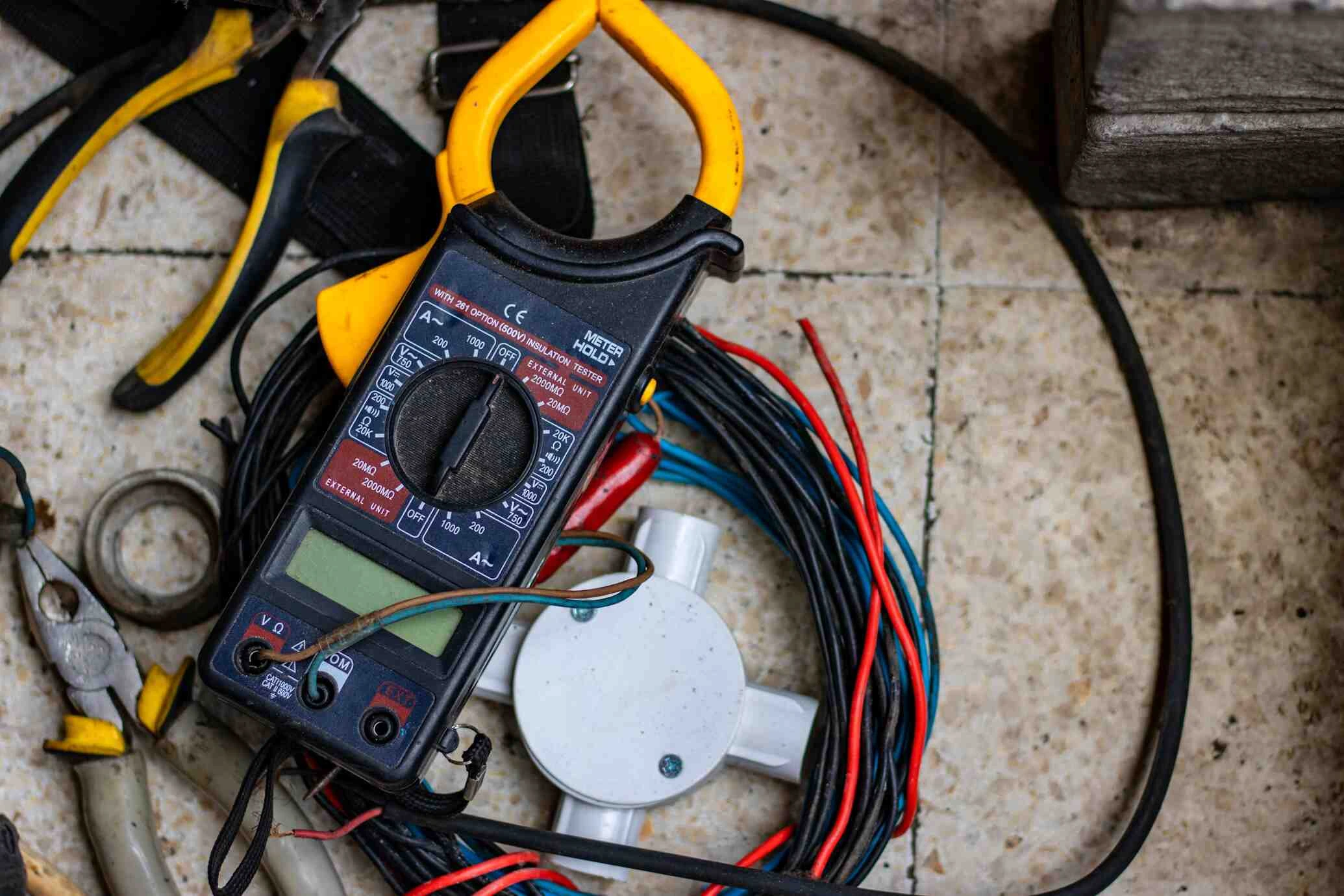
8. Multimeter:
A multimeter is a versatile instrument used for measuring voltage, current, and resistance. It"s an indispensable tool for troubleshooting electrical problems and verifying the integrity of electrical circuits.
9. Fish Tape:
When running wires through conduit or walls, a fish tape is essential for guiding and pulling wires through tight spaces.
10. Conduit Benders:
If you"re working with conduit, conduit benders allow you to shape and bend conduit pipes accurately to fit your electrical needs.
11. Circuit Tester:
Circuit testers are used to identify which breaker or fuse controls a specific circuit in a breaker panel. This helps you work on circuits safely.
12. Electrical Tape and Wire Nuts:
Electrical tape is used for insulating and securing connections, while wire nuts are essential for joining wires together securely.
13. Safety Gear:
Don"t forget personal protective equipment (PPE) such as insulated gloves, safety glasses, and ear protection to keep you safe while working on electrical systems.
Conclusion:
These essential tools are the foundation of any electrician"s toolkit, ensuring that you have the necessary equipment to handle a wide range of electrical projects safely and efficiently. Whether you"re a professional electrician or a DIY enthusiast, investing in high-quality tools and using them properly is essential for success in electrical work. Always prioritize safety and follow best practices when working with electricity.
Introduction: In carpentry, time is money, and workflow is the pulse that keeps the business alive. Yet, many carpenters need help with a disjointed workflow, stifling efficiency and sapping the joy o...
.webp)
Introduction: Carpentry more than just a trade, is an art form. The journey to mastery involves constantly honing one"s skills, a voyage where every chisel stroke and nail-driven shapes not just ...

In the world of woodworking, every piece of timber tells a story - a tale of craftsmanship, dedication, and wisdom. For aspiring woodworkers and seasoned artisans alike, this blog is a collection of T...
In the world of woodworking, every piece crafted is a note in the symphony of a carpenter"s career. Yet, to compose a melodious tune, one must prioritize the conductor - their health and longevity. Th...
In carpentry, precision isn"t just about chiselling wood; it"s about chiselling a successful business. Financial stability and growth are the building blocks of a carpentry enterprise. Welcome to "Cra...

In the world of woodworking, creating something beautiful is not just an art—it"s a responsibility. A responsibility towards the craft, the client, and most importantly, the safety and well-bein...
Sign up to start winning an unlimited amount of jobs near you.


 Electrician
Gas Engineer
Electrician
Gas Engineer


Send more enquiries and explore your options
Increasing the number of potentials leads for you!
Have more control and flexibility over your finances!