


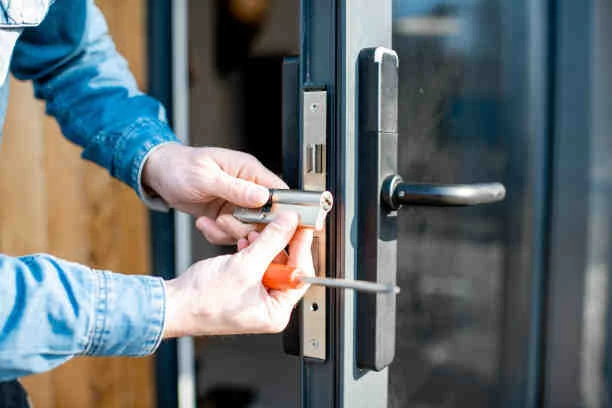
1. Lock Picking
Lock picking is one of the foundational skills for a locksmith. It involves the art of opening a lock without the original key. Locksmiths use various tools, such as tension wrenches and picks, to manipulate the lock"s internal components and release the bolt. It"s a skill that requires precision, patience, and an in-depth understanding of lock mechanisms.
2. Key Cutting
Key cutting is a fundamental skill for locksmiths. Whether duplicating keys or creating new ones from scratch, locksmiths must be proficient in key cutting techniques. This involves using key cutting machines and hand tools to ensure that the keys they produce fit perfectly into the intended locks.
3. Master Key Systems
Locksmiths often work with master key systems, where a single key can operate multiple locks. Creating, maintaining, and troubleshooting master key systems require expertise in key cutting and lock rekeying. It"s an essential service for businesses and institutions with complex security needs.
4. Lock Installation and Repair
Installing and repairing locks is a core aspect of a locksmith"s work. This includes fitting locks on doors and windows, repairing damaged locks, and ensuring the proper functioning of security systems. Locksmiths must have a deep understanding of various lock types, from deadbolts to electronic access control systems.
5. Rekeying
Rekeying is the process of changing the internal pins and springs of a lock so that a new key will operate it. Locksmiths often provide this service when a key is lost or compromised. Rekeying is a cost-effective alternative to replacing the entire lock, and it"s a skill that every locksmith should master.
6. Safe and Vault Services
Safes and vaults are used to protect valuable assets and important documents. Locksmiths are called upon to install, service, and open safes and vaults. This requires specialized knowledge of safe mechanisms and a variety of tools and techniques for safe cracking when necessary.
7. Electronic and High-Security Locks
In today"s technological age, locksmiths must be proficient in electronic and high-security locks. This includes digital keypads, electronic card readers, and biometric access systems. Locksmiths should be capable of installing, programming, and troubleshooting these advanced security solutions.
8. Customer Service
Effective communication and customer service skills are vital for success in the locksmithing profession. Locksmiths often work with individuals in stressful situations, such as lockouts or security breaches. They must be professional, trustworthy, and empathetic, providing solutions while putting the customer at ease.
9. Continuous Learning
The field of locksmithing is constantly evolving due to advancements in technology and security. Successful locksmiths stay up-to-date with the latest industry trends and techniques through continuous learning and professional development. This ensures they can adapt to new challenges and offer cutting-edge solutions to their clients.
Conclusion
Locksmithing is a profession that demands a diverse skill set and a commitment to excellence. By mastering lock picking, key cutting, working with master key systems, installing and repairing locks, and staying current with evolving security technologies, locksmiths can provide valuable services that enhance safety and peace of mind for their clients. The combination of technical expertise and exceptional customer service is the key to success in this dynamic and rewarding field.
Introduction: In carpentry, time is money, and workflow is the pulse that keeps the business alive. Yet, many carpenters need help with a disjointed workflow, stifling efficiency and sapping the joy o...
.webp)
Introduction: Carpentry more than just a trade, is an art form. The journey to mastery involves constantly honing one"s skills, a voyage where every chisel stroke and nail-driven shapes not just ...

In the world of woodworking, every piece of timber tells a story - a tale of craftsmanship, dedication, and wisdom. For aspiring woodworkers and seasoned artisans alike, this blog is a collection of T...

In the world of woodworking, every piece crafted is a note in the symphony of a carpenter"s career. Yet, to compose a melodious tune, one must prioritize the conductor - their health and longevity. Th...

In carpentry, precision isn"t just about chiselling wood; it"s about chiselling a successful business. Financial stability and growth are the building blocks of a carpentry enterprise. Welcome to "Cra...

In the world of woodworking, creating something beautiful is not just an art—it"s a responsibility. A responsibility towards the craft, the client, and most importantly, the safety and well-bein...
Sign up to start winning an unlimited amount of jobs near you.


 Electrician
Gas Engineer
Electrician
Gas Engineer


Send more enquiries and explore your options
Increasing the number of potentials leads for you!
Have more control and flexibility over your finances!