


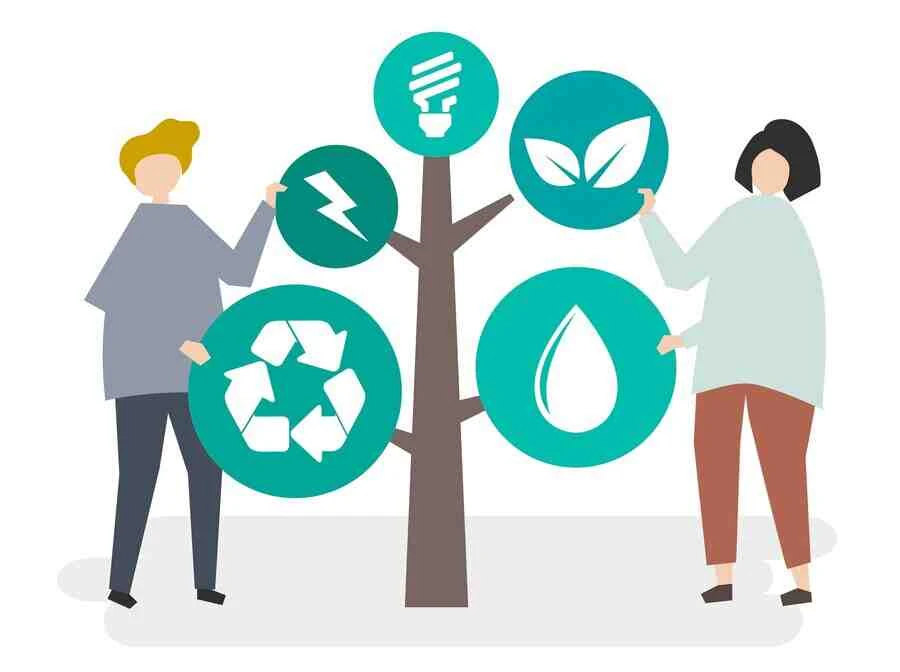
The Global Drive Towards Sustainability
The urgency of addressing climate change has prompted governments and international organizations to take action. The Paris Agreement, adopted in 2015, marked a significant turning point in the global effort to combat climate change. Its primary goal is to limit global warming to well below 2 degrees Celsius above pre-industrial levels. Achieving this ambitious target necessitates comprehensive changes across all sectors of the economy, including the energy industry, where heating systems play a pivotal role.
Environmental Regulations and Their Goals
Environmental regulations governing heating systems generally have several common objectives:
Reducing Carbon Emissions: The most immediate and apparent goal of these regulations is to reduce carbon emissions. Traditional heating systems that rely on fossil fuels like oil and natural gas are significant contributors to greenhouse gas emissions. Regulations seek to minimize these emissions through various means.
Promoting Energy Efficiency: Energy efficiency is key to reducing environmental impact. Regulations often require heating systems to meet specific energy efficiency standards. These standards not only reduce carbon emissions but also help consumers save on energy costs.
Encouraging Renewable Energy Sources: To combat climate change effectively, a shift towards renewable energy sources is essential. Regulations may incentivize the use of renewable energy for heating, such as solar thermal systems and heat pumps.
Phasing Out Polluting Fuels: To align with sustainable goals, some regulations aim to phase out the use of highly polluting fuels, such as coal and certain types of oil, in heating systems.
Improving Indoor Air Quality: Environmental regulations also address indoor air quality by setting standards for emissions from heating systems. This ensures that heating systems do not compromise the health of occupants.
Environmental Regulations Around the World
Environmental regulations impacting heating systems vary from one country to another, reflecting regional climate conditions, energy resources, and political priorities. However, some common themes emerge:
Europe: The European Union (EU) has been a leader in implementing stringent regulations to reduce carbon emissions from heating systems. The Energy Performance of Buildings Directive and the Renewable Energy Directive are two key pieces of legislation driving change in the heating sector. These directives set ambitious targets for improving energy efficiency and increasing the use of renewable energy sources in buildings.
United States: In the United States, environmental regulations related to heating systems vary by state and locality. However, federal regulations such as the Clean Air Act have had a significant impact on the types of heating systems allowed in different regions. There is a growing trend towards phasing out oil-based heating systems in favor of cleaner alternatives.
China: As the world"s largest emitter of greenhouse gases, China has been working diligently to tackle emissions from heating systems. The Chinese government has introduced policies to promote the use of clean energy sources like natural gas and electric heating, while also improving the efficiency of existing systems.
Canada: Canada"s environmental regulations are influenced by its vast geography and diverse climate conditions. The country has made efforts to incentivize the use of renewable energy sources like geothermal and solar heating, particularly in regions with abundant resources.
Australia: Australia faces unique challenges due to its extreme climate variations. Regulations in Australia focus on energy efficiency and improving the sustainability of heating systems. The country has been exploring innovative solutions like heat pumps and biomass heating.
Innovations in Heating Technology
One of the most exciting aspects of environmental regulations impacting heating systems is the drive for innovation. These regulations push manufacturers and engineers to develop cleaner, more efficient, and sustainable heating technologies. Let"s explore some of the innovations that have emerged as a result:
Heat Pumps: Heat pumps have gained popularity due to their high energy efficiency and low carbon footprint. They work by transferring heat from the environment, such as the air or the ground, into a building. Modern heat pumps are highly efficient even in cold climates, making them a viable option for both residential and commercial heating.
Solar Thermal Systems: Solar thermal systems capture the sun"s energy to provide hot water and space heating. Advances in solar technology have made these systems more affordable and efficient, reducing reliance on conventional heating fuels.
Hydrogen Heating: Hydrogen has emerged as a potential clean energy source for heating. When burned, hydrogen produces only water vapor as a byproduct. However, challenges such as hydrogen production and distribution need to be addressed for widespread adoption.
Smart Heating Controls: The integration of smart technology in heating systems allows for precise control and optimization. Smart thermostats and heating controls can adapt to changing weather conditions and occupancy patterns, reducing energy waste.
Biomass Heating: Biomass heating systems use organic materials like wood pellets or agricultural residues to produce heat. When sourced sustainably, biomass can be a carbon-neutral heating option.
Challenges and Considerations
While environmental regulations are driving positive change in the heating industry, they also pose challenges and considerations:
Cost Implications: Transitioning to eco-friendly heating systems can be costly, particularly for homeowners and small businesses. Governments and incentives can help mitigate these expenses.
Infrastructure: Widespread adoption of renewable heating technologies may require significant infrastructure upgrades, such as expanding natural gas pipelines or electrical grids.
Consumer Education: Many consumers may be unaware of the benefits of eco-friendly heating systems or may hesitate to switch due to unfamiliarity. Effective education campaigns are crucial.
Intermittency: Some renewable heating sources, like solar and wind, are intermittent. Combining them with energy storage solutions or backup heating systems is necessary for reliability.
Conclusion
Environmental regulations are reshaping the heating industry, driving a transition toward cleaner and more sustainable heating systems. As we continue to confront the challenges of climate change, these regulations will play a vital role in reducing carbon emissions and promoting a greener future. From heat pumps to solar thermal systems, innovative technologies are emerging to meet the demands of a changing world. While challenges exist, the benefits of adopting eco-friendly heating solutions far outweigh the costs, both for our environment and for future generations. It"s clear that the path forward is a green one, and the future of heating systems is looking brighter and more sustainable than ever.

The world of carpentry is buzzing with innovations, trends, and transformative technologies. For carpenters, keeping up with these changes isn"t just about staying ahead in the game; it"s about ensuri...

In an era where technology weaves through every facet of our lives, the carpentry profession is no exception to its transformative power. Welcome to "Carpentry Chronicles," a blog series dedicated to ...

Welcome to "Carpentry Chronicles," a blog series dedicated to navigating the ever-evolving landscape of carpentry. In this edition, we dive into a trend reshaping the carpentry domain—customizat...

In the bustling world of carpentry, safety isn"t just a precaution; it"s a fundamental necessity. Welcome to "Carpentry Chronicles," a blog series committed to navigating the ever-evolving landscape o...

In carpentry, where wood meets creativity, mastery is not just a goal; it"s a journey. Welcome to "Carpentry Chronicles," a blog series that peels back the layers of carpentry to reveal the artistry a...

In the ever-evolving design landscape, where trends come and go, one element stands timeless—wood. Welcome to "Carpentry Chronicles," a blog series committed to navigating the dynamic world of c...
Sign up to start winning an unlimited amount of jobs near you.


 Electrician
Gas Engineer
Electrician
Gas Engineer


Send more enquiries and explore your options
Increasing the number of potentials leads for you!
Have more control and flexibility over your finances!