


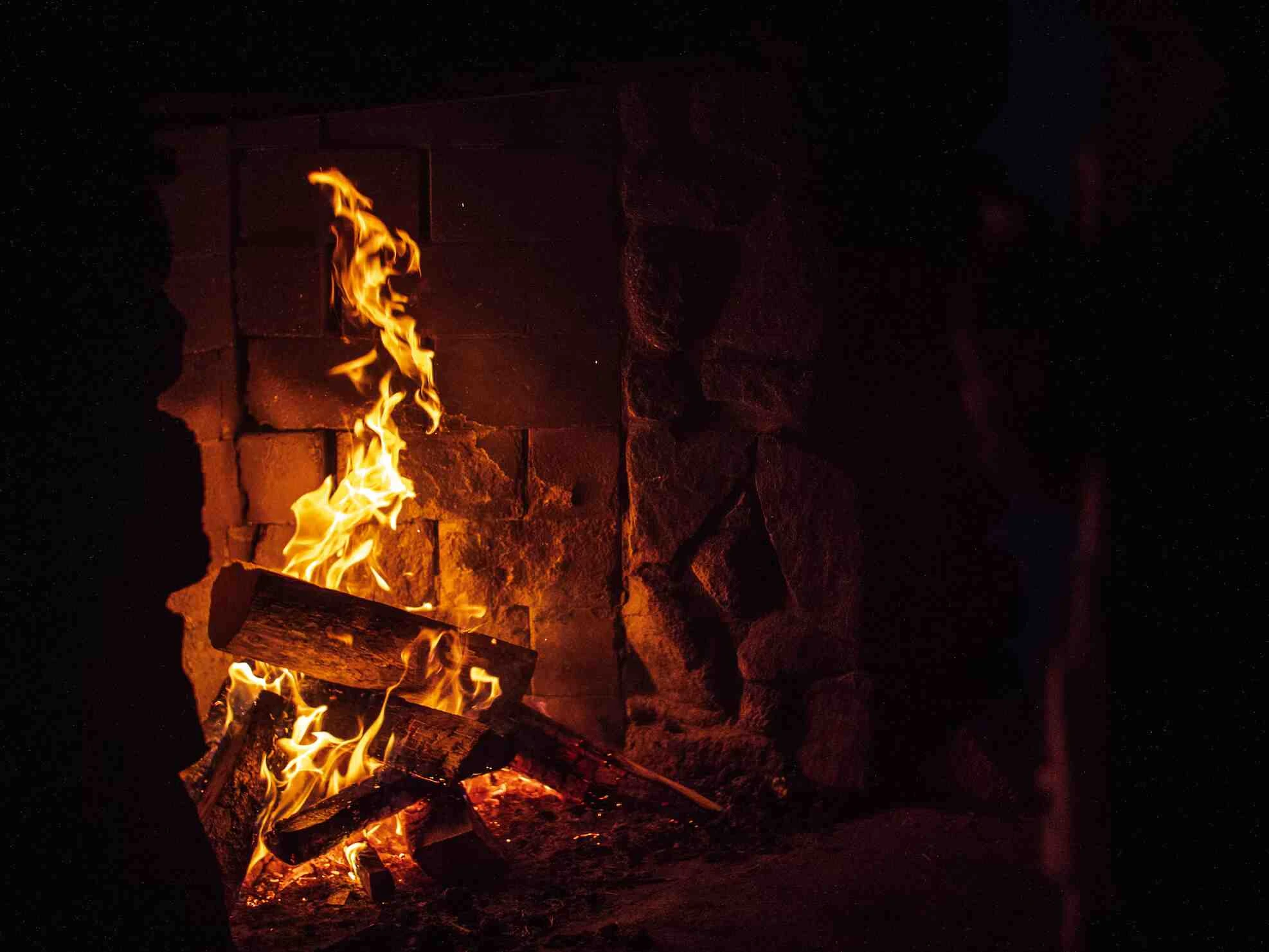
I. The Rise of Hearth Products
Hearth products encompass a wide range of heating appliances, including fireplaces, wood-burning stoves, pellet stoves, and gas fireplaces. These have been the go-to choices for many homeowners seeking warmth, ambiance, and a rustic charm. However, their popularity has not come without its consequences.
The burning of wood and other solid fuels can release a variety of pollutants into the atmosphere. These pollutants, including particulate matter, volatile organic compounds, and carbon monoxide, can have a significant impact on air quality and contribute to health problems. As our understanding of these issues has grown, so too has the need for environmental regulations to mitigate their effects.
II. Environmental Regulations: Clearing the Air
Emission Standards
One of the most significant developments in the hearth products industry is the establishment of strict emission standards. These standards regulate the amount of pollutants that can be released into the air, with a focus on reducing harmful particulate matter. Manufacturers of hearth products have had to invest in cleaner-burning technologies, such as catalytic converters and advanced combustion systems, to meet these regulations. As a result, the air quality around homes with hearth products has improved significantly.
Certification Programs
Environmental agencies and organizations have also introduced certification programs to help consumers make informed choices. Products that meet specific environmental standards are awarded certifications, such as the Environmental Protection Agency"s (EPA) "Burn Wise" program. These certifications help consumers identify hearth products that are both environmentally friendly and energy-efficient.
III. The Wood Fuel Dilemma
Wood-burning stoves and fireplaces, while charming, have been a major contributor to deforestation and carbon emissions. The demand for firewood has led to unsustainable logging practices and a considerable carbon footprint. Environmental regulations have thus placed a strong emphasis on sustainable wood sourcing and the use of alternative fuels.
Sustainable Practices
Forestry regulations, such as the Forest Stewardship Council (FSC) certification, have been vital in promoting sustainable wood harvesting. These certifications ensure that the wood used in hearth products comes from responsibly managed forests, minimizing the impact on ecosystems.
Alternative Fuels
To reduce carbon emissions, many homeowners have turned to alternative fuels like pellets, which are often made from sawdust and other wood waste products. Pellet stoves produce fewer emissions and are highly efficient, making them an eco-friendly alternative to traditional wood-burning stoves.
IV. Gas Fireplaces and Modern Innovations
Gas fireplaces have emerged as a cleaner-burning and more convenient alternative to traditional wood-burning options. These hearth products are highly efficient, producing minimal emissions and reducing the environmental impact.
Direct Venting
Modern gas fireplaces utilize direct venting, a technology that draws combustion air from outside the home and expels exhaust gases, providing a controlled and efficient burn. This not only improves indoor air quality but also reduces heat loss through the flue, making gas fireplaces more energy-efficient.
Realistic Flames
Advances in technology have made it possible for gas fireplaces to replicate the realistic appearance of wood-burning fires. Homeowners can enjoy the ambiance of a crackling fire without the environmental drawbacks of traditional hearth products.
V. Conclusion: Balancing Tradition and Responsibility
As we warm ourselves by the hearth, it is crucial to remember the environmental impact of our choices. Hearth products are deeply rooted in tradition and bring comfort to our homes, but they have not been exempt from the call for environmental responsibility.
Environmental regulations have spurred innovation in the industry, leading to cleaner and more sustainable hearth products. Whether it"s through emission standards, certification programs, sustainable wood sourcing, or the adoption of gas fireplaces, these regulations have transformed the way we heat our homes.
Balancing tradition and responsibility is the key to enjoying the warmth and charm of hearth products while minimizing our environmental footprint. As we embrace these changes, we not only safeguard our planet but also ensure that future generations can continue to gather around the hearth, creating memories and moments of warmth, just as we do today.

The world of carpentry is buzzing with innovations, trends, and transformative technologies. For carpenters, keeping up with these changes isn"t just about staying ahead in the game; it"s about ensuri...

In an era where technology weaves through every facet of our lives, the carpentry profession is no exception to its transformative power. Welcome to "Carpentry Chronicles," a blog series dedicated to ...

Welcome to "Carpentry Chronicles," a blog series dedicated to navigating the ever-evolving landscape of carpentry. In this edition, we dive into a trend reshaping the carpentry domain—customizat...
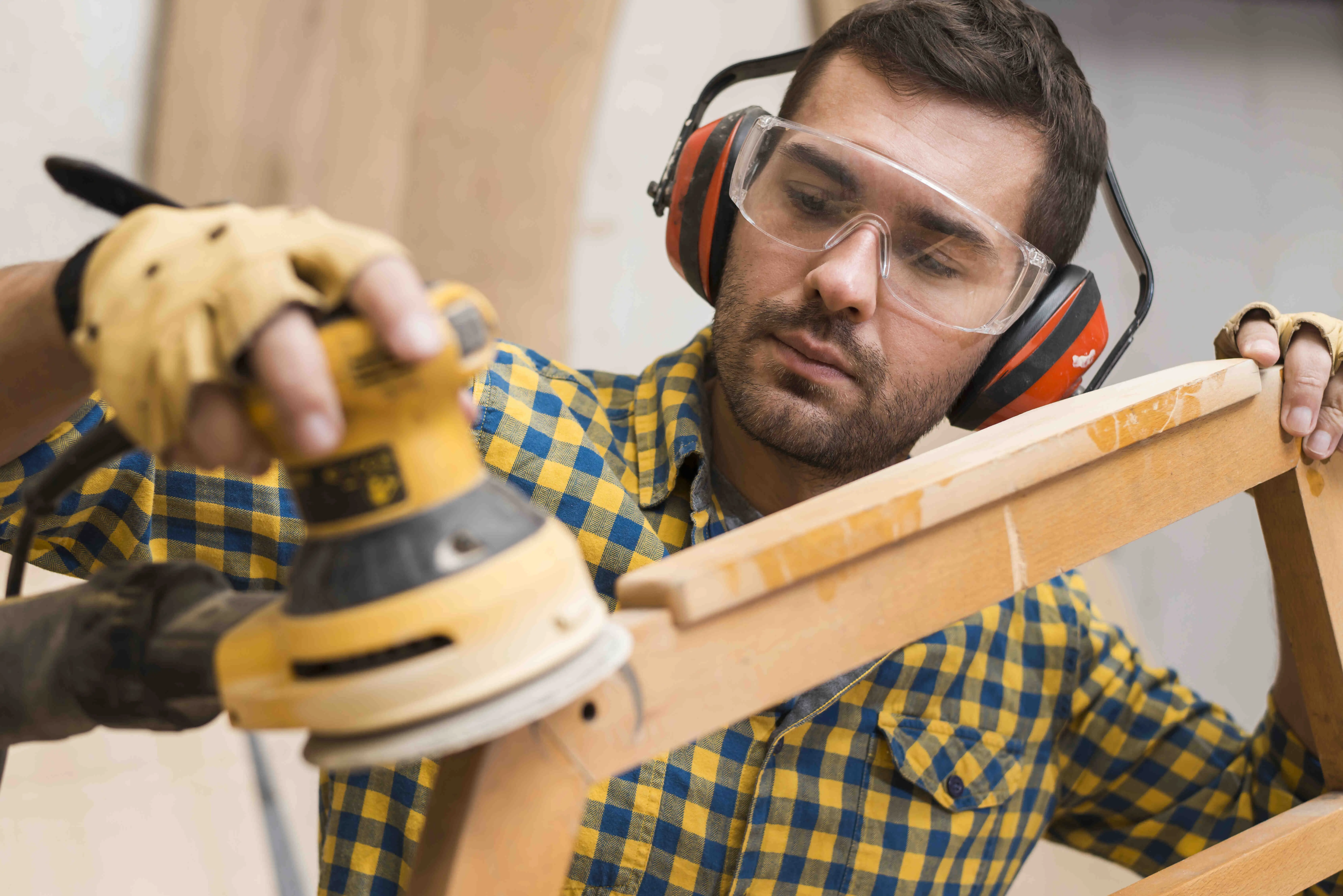
In the bustling world of carpentry, safety isn"t just a precaution; it"s a fundamental necessity. Welcome to "Carpentry Chronicles," a blog series committed to navigating the ever-evolving landscape o...

In carpentry, where wood meets creativity, mastery is not just a goal; it"s a journey. Welcome to "Carpentry Chronicles," a blog series that peels back the layers of carpentry to reveal the artistry a...
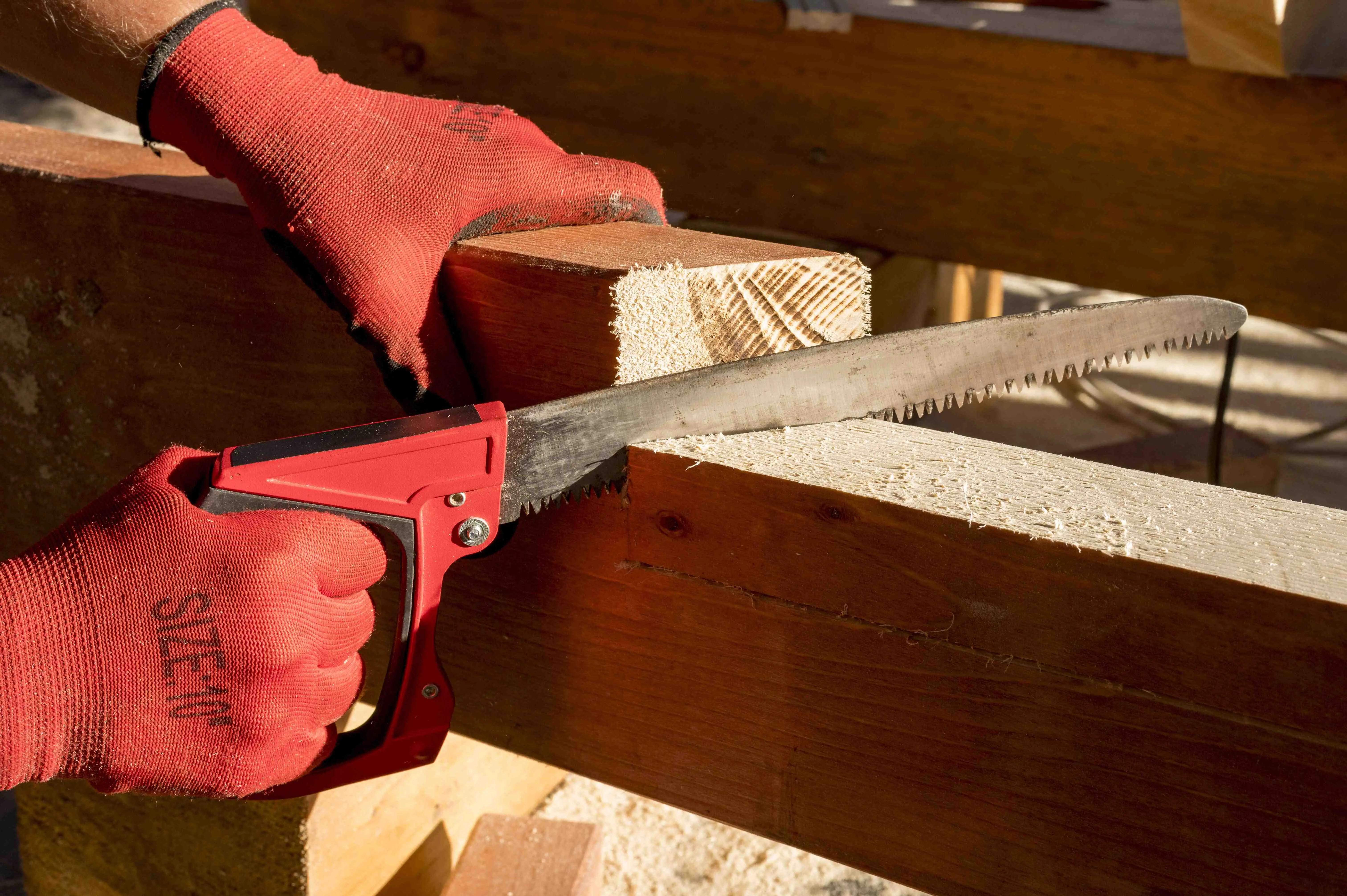
In the ever-evolving design landscape, where trends come and go, one element stands timeless—wood. Welcome to "Carpentry Chronicles," a blog series committed to navigating the dynamic world of c...
Sign up to start winning an unlimited amount of jobs near you.


 Electrician
Gas Engineer
Electrician
Gas Engineer


Send more enquiries and explore your options
Increasing the number of potentials leads for you!
Have more control and flexibility over your finances!