

The Growing Environmental Concern
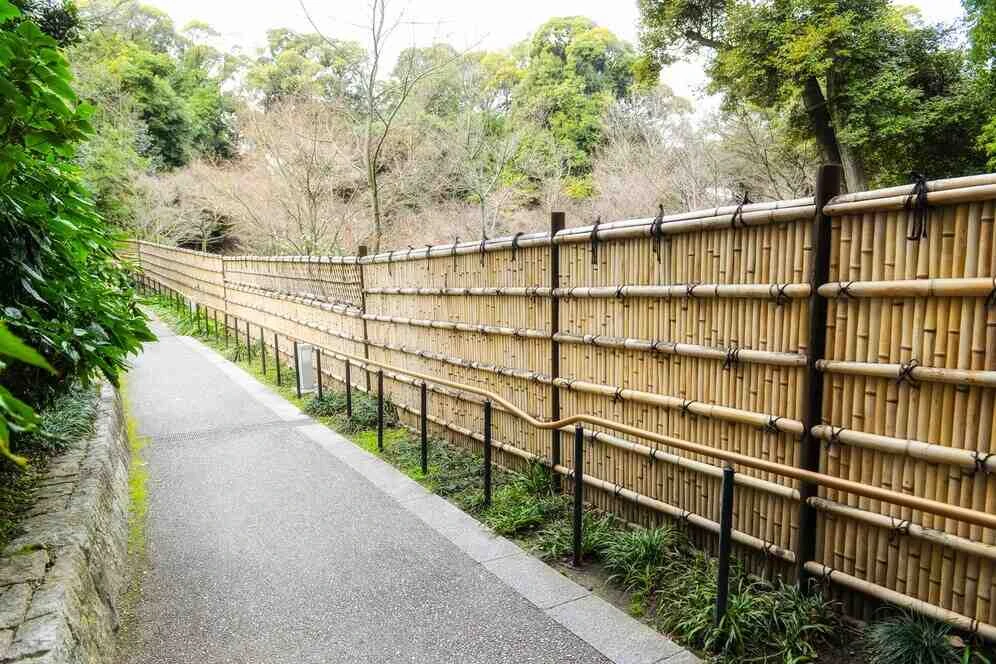
Environmental concerns, from deforestation and habitat destruction to carbon emissions, have made it imperative for governments and organizations to address these issues through stringent regulations. Fence work, which involves the installation, maintenance, and disposal of fencing materials, is not immune to these concerns.
Environmental Regulations Affecting Fence Work
1. Timber Sourcing Regulations: As timber is a commonly used material for fencing, regulations have been put in place to ensure that wood is sourced sustainably. Many countries require businesses to provide evidence that the timber used in their fences comes from responsibly managed forests. In the UK, for example, adherence to the EU Timber Regulation (EUTR) is crucial to demonstrate compliance.
2. Disposal and Recycling: Regulations require proper disposal of old fencing materials. Timber fences, for instance, may need to be recycled or disposed of in an environmentally responsible way. Metal fences, which are recyclable, are encouraged as an eco-friendly alternative.
3. Hazardous Materials: Certain types of fencing materials may contain hazardous substances, such as lead-based paints or treated wood. Regulations may limit or prohibit the use of these materials, emphasizing the need for non-toxic and eco-friendly alternatives.
4. Protected Species and Habitats: Fencing work must also take into account protected species and habitats. For instance, before installing a fence in certain areas, it"s necessary to perform ecological assessments to ensure it won"t disrupt local wildlife or ecosystems.
5. Noise and Visual Impact: Fencing projects may be subject to noise and visual pollution regulations, particularly in residential areas. Choosing fencing materials that dampen sound and blend with the environment can help meet these requirements.
Adapting to Environmental Regulations
Fence work companies and consumers are adapting to these regulations by:
1. Using Sustainable Materials: The shift towards sustainable and eco-friendly fencing materials is evident. Recycled plastics, composite materials, and responsibly sourced wood are becoming popular choices, reducing the environmental footprint of fence work.
2. Proper Disposal: Fence work companies are increasingly responsible for the proper disposal of old materials. Recycling and reusing materials whenever possible not only saves resources but also reduces waste in landfills.
3. Compliance and Certification: Companies are staying informed about the latest environmental regulations and obtaining necessary certifications to demonstrate their commitment to sustainability. This ensures they can provide compliant fencing solutions to customers.
4. Expert Consultation: Environmental experts and ecologists are often consulted to assess the environmental impact of fencing projects and propose solutions that minimize disruption to ecosystems.
Conclusion
Environmental regulations are transforming the fencing industry, driving the adoption of sustainable materials, responsible sourcing, and proper disposal practices. As consumers and companies increasingly prioritize environmental sustainability, fence work will continue to adapt to meet these requirements. By aligning with environmental regulations, the fence work industry can play its part in safeguarding the environment and contributing to a more sustainable future.
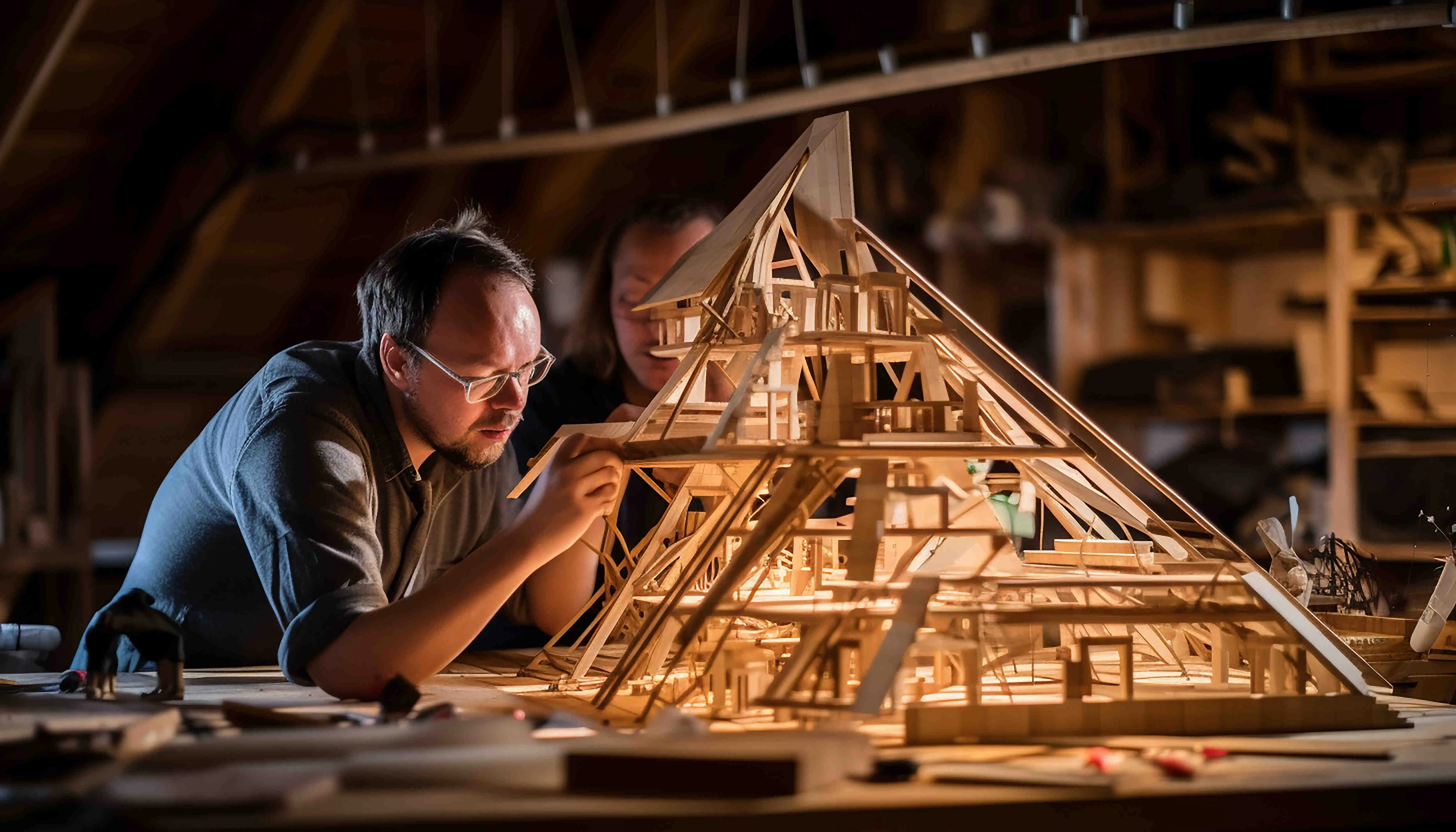
The world of carpentry is buzzing with innovations, trends, and transformative technologies. For carpenters, keeping up with these changes isn"t just about staying ahead in the game; it"s about ensuri...
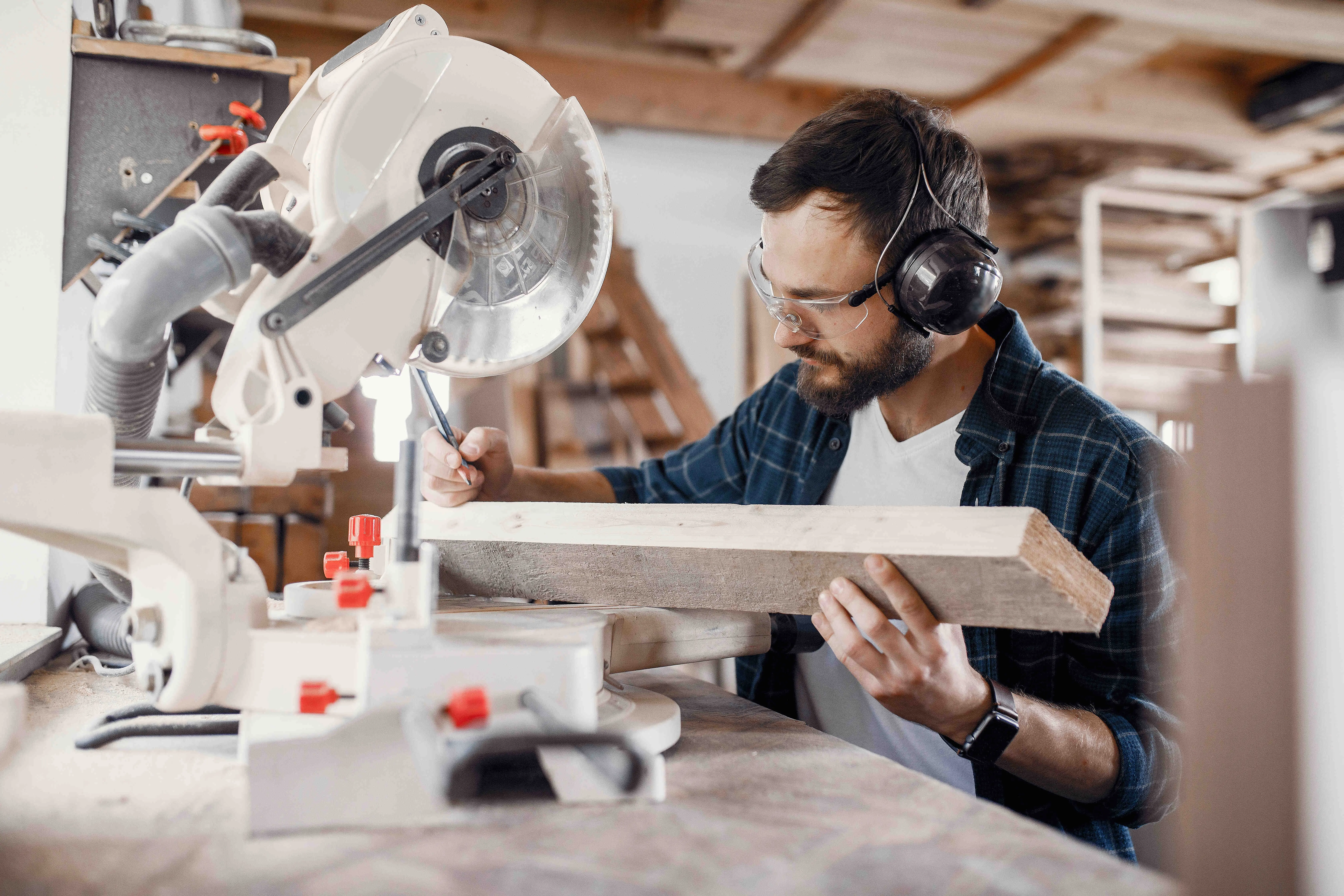
In an era where technology weaves through every facet of our lives, the carpentry profession is no exception to its transformative power. Welcome to "Carpentry Chronicles," a blog series dedicated to ...

Welcome to "Carpentry Chronicles," a blog series dedicated to navigating the ever-evolving landscape of carpentry. In this edition, we dive into a trend reshaping the carpentry domain—customizat...
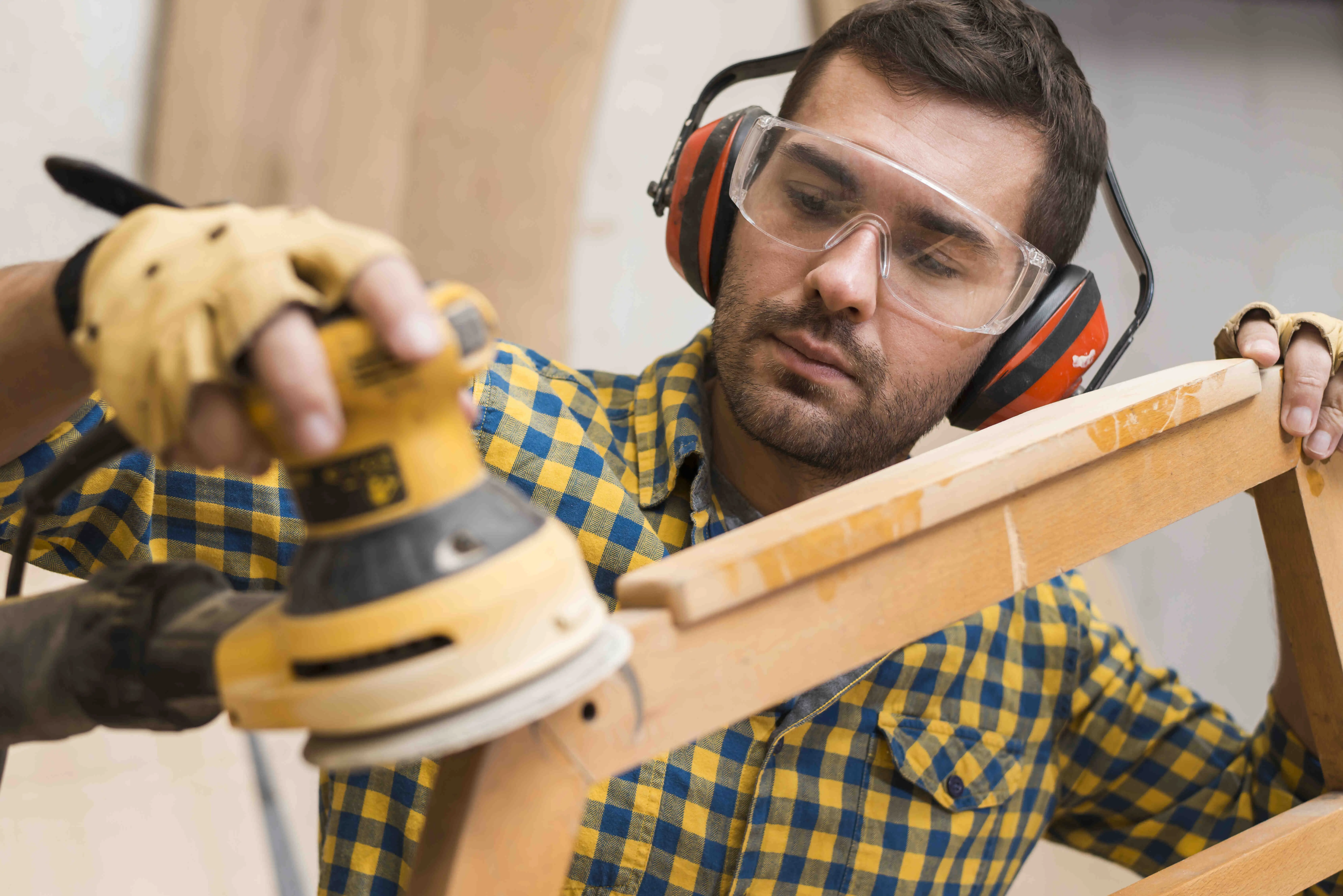
In the bustling world of carpentry, safety isn"t just a precaution; it"s a fundamental necessity. Welcome to "Carpentry Chronicles," a blog series committed to navigating the ever-evolving landscape o...
In carpentry, where wood meets creativity, mastery is not just a goal; it"s a journey. Welcome to "Carpentry Chronicles," a blog series that peels back the layers of carpentry to reveal the artistry a...
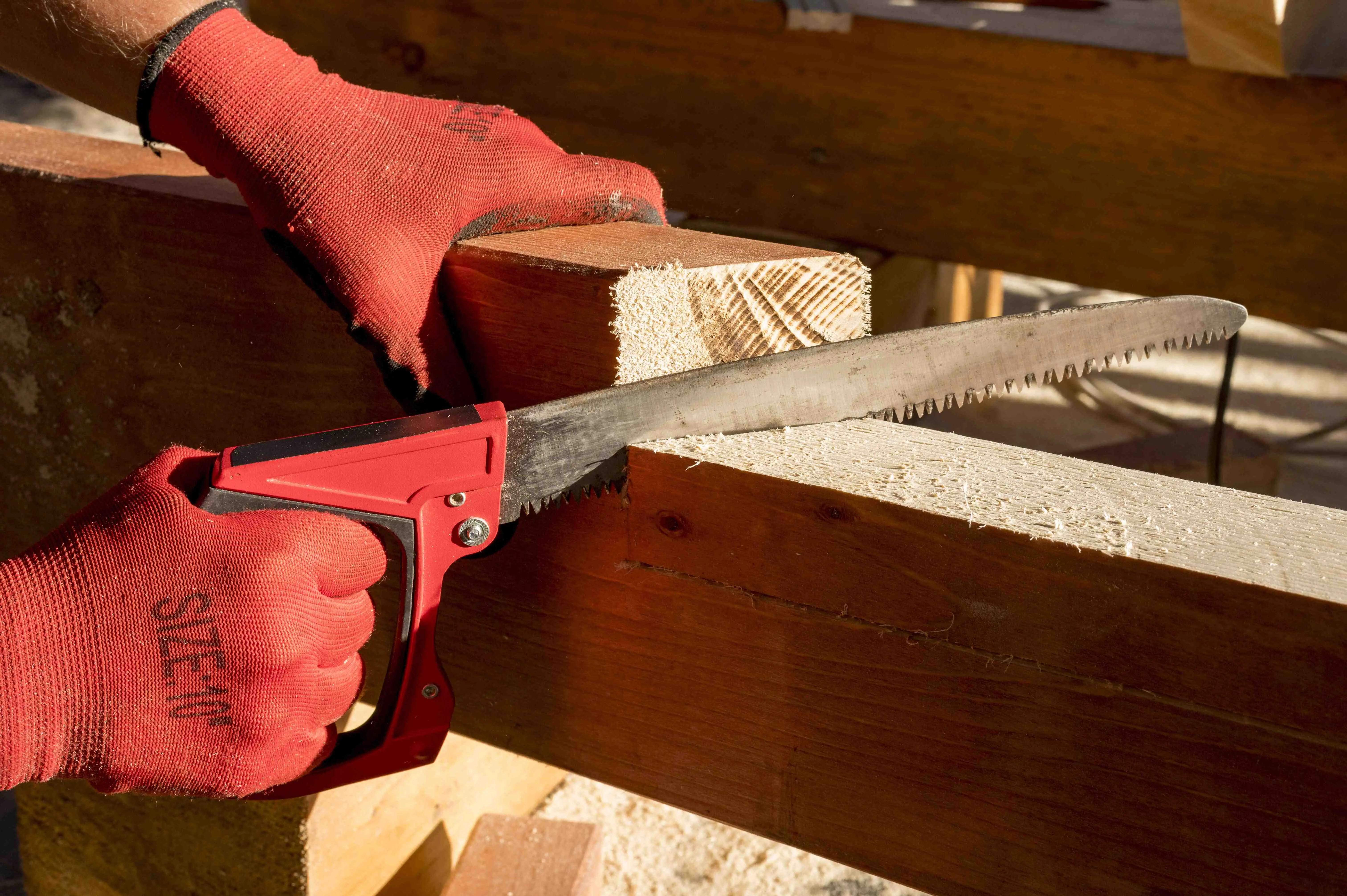
In the ever-evolving design landscape, where trends come and go, one element stands timeless—wood. Welcome to "Carpentry Chronicles," a blog series committed to navigating the dynamic world of c...
Sign up to start winning an unlimited amount of jobs near you.


 Electrician
Gas Engineer
Electrician
Gas Engineer


Send more enquiries and explore your options
Increasing the number of potentials leads for you!
Have more control and flexibility over your finances!