

The Rising Tide of Environmental Awareness
Environmental consciousness is on the rise, and for a good reason. With climate change, habitat destruction, and resource depletion looming large, governments and individuals worldwide are stepping up their efforts to protect our planet. In this context, damp-proofing might seem insignificant, but it plays a vital role in preserving the longevity and sustainability of structures.
Damp-Proofing: A Necessity for Sustainable Construction
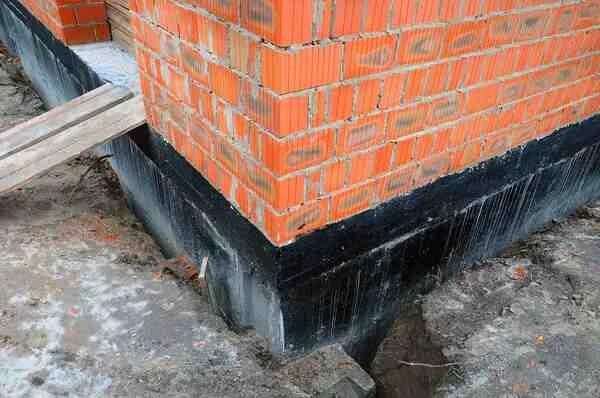
Damp-related issues, such as mold growth, structural damage, and indoor air quality problems, can compromise the lifespan of buildings. In the long run, this results in more construction waste, higher energy consumption, and additional resource use. Sustainable construction practices aim to mitigate these issues, which is why damp-proofing has found its place on the environmental agenda.
Understanding Environmental Regulations
Environmental regulations encompass a wide range of laws and standards aimed at minimizing the negative impact of construction and property maintenance on the environment. These regulations can affect various aspects of damp-proofing, including the materials used, the methods employed, and the waste produced.
Materials: The Quest for Eco-Friendly Solutions
One of the fundamental ways environmental regulations impact damp-proofing is through the materials used. Historically, damp-proofing relied heavily on petroleum-based products, which are notorious for their environmental impact. However, many countries have implemented strict regulations limiting the use of such materials and promoting the use of eco-friendly alternatives.
Today, there is a wide range of sustainable damp-proofing materials available. These may include recycled or biodegradable options, as well as those with low volatile organic compounds (VOCs) to improve indoor air quality. As such, environmental regulations have driven innovation in the industry, fostering the development of more environmentally responsible solutions.
Methods: Efficiency and Minimal Disruption
Environmental regulations also focus on the methods used in damp-proofing. Traditional methods often involve significant disruption, energy consumption, and waste generation. To comply with regulations, contractors are now encouraged to adopt methods that are both efficient and environmentally friendly.
For example, some methods of damp-proofing may involve injecting materials into walls or applying coatings to surfaces, which minimizes waste and disturbance. Regulations can also incentivize the use of non-invasive, sustainable techniques, ensuring that the process is less harmful to the environment.
Waste Management: Responsible Disposal
Environmental regulations extend to waste management practices within the construction industry. Damp-proofing can generate waste materials, which, if not managed properly, can harm the environment. Regulations dictate that these materials must be disposed of in an environmentally responsible manner.
Contractors must adhere to waste reduction and recycling guidelines. This might include recycling materials such as damaged plaster, insulation, or other components during the damp-proofing process. These measures contribute to a more sustainable construction industry as a whole.
The Global Perspective
Damp-proofing regulations vary from one country to another, reflecting local environmental concerns and priorities. Let"s take a closer look at a few countries to see how their regulations impact damp-proofing:
United Kingdom: The United Kingdom has a well-established set of regulations that address damp-proofing. Environmental regulations aim to reduce carbon emissions from construction and improve energy efficiency. This has led to the development of low-energy, sustainable damp-proofing methods, which reduce the environmental footprint of this practice.
United States: In the United States, environmental regulations differ from state to state. Some states have more stringent regulations than others. The Environmental Protection Agency (EPA) plays a significant role in enforcing these regulations. This has led to the promotion of environmentally friendly damp-proofing materials and techniques.
Germany: Germany is known for its rigorous environmental regulations and commitment to sustainability. The country"s damp-proofing industry reflects this ethos, with a focus on materials and methods that minimize environmental impact. This includes the use of renewable or recycled materials and energy-efficient techniques.
The Benefits of Compliance
Complying with environmental regulations in damp-proofing isn"t just about following the law. There are several benefits to adopting these practices:
Improved Building Durability: Using sustainable materials and methods ensures that the building"s structure is better protected from moisture and damp-related issues, which extends its lifespan.
Energy Efficiency: Many eco-friendly damp-proofing methods also contribute to improved energy efficiency in buildings. This can result in lower energy bills and reduced carbon emissions.
Healthier Indoor Environments: The use of low-VOC materials in damp-proofing contributes to healthier indoor air quality, benefiting the well-being of the building"s occupants.
Reduced Environmental Impact: Compliance with environmental regulations helps reduce the overall environmental footprint of the construction industry, contributing to a more sustainable planet.
Conclusion
Damp-proofing may seem like a small piece of the larger construction puzzle, but it is undeniably significant in the quest for sustainable, eco-friendly building practices. Environmental regulations are shaping the way we approach damp-proofing, pushing the industry toward materials and methods that minimize harm to our planet. By embracing these regulations and adopting eco-friendly solutions, damp-proofing professionals are helping ensure a greener, more sustainable future for us all. So, the next time you think about protecting your home from damp, remember that you"re also helping to protect the environment.

The world of carpentry is buzzing with innovations, trends, and transformative technologies. For carpenters, keeping up with these changes isn"t just about staying ahead in the game; it"s about ensuri...

In an era where technology weaves through every facet of our lives, the carpentry profession is no exception to its transformative power. Welcome to "Carpentry Chronicles," a blog series dedicated to ...

Welcome to "Carpentry Chronicles," a blog series dedicated to navigating the ever-evolving landscape of carpentry. In this edition, we dive into a trend reshaping the carpentry domain—customizat...

In the bustling world of carpentry, safety isn"t just a precaution; it"s a fundamental necessity. Welcome to "Carpentry Chronicles," a blog series committed to navigating the ever-evolving landscape o...

In carpentry, where wood meets creativity, mastery is not just a goal; it"s a journey. Welcome to "Carpentry Chronicles," a blog series that peels back the layers of carpentry to reveal the artistry a...
In the ever-evolving design landscape, where trends come and go, one element stands timeless—wood. Welcome to "Carpentry Chronicles," a blog series committed to navigating the dynamic world of c...
Sign up to start winning an unlimited amount of jobs near you.


 Electrician
Gas Engineer
Electrician
Gas Engineer


Send more enquiries and explore your options
Increasing the number of potentials leads for you!
Have more control and flexibility over your finances!