



1. A World of Regulation
Environmental regulations are a complex web of guidelines, laws, and standards aimed at preserving and improving the environment. They govern everything from air and water quality to land use and wildlife protection. In the context of conservatories, these regulations play a critical role in ensuring that these pockets of nature remain sanctuaries of life.
2. Air and Water Quality Standards
One of the most essential aspects of conservatory management is maintaining pristine air and water quality. Without strict environmental regulations, pollutants from nearby industries, transportation, and other sources could easily compromise the health of the ecosystems within these artificial biomes.
Environmental regulations governing air quality control emissions from factories and vehicles, helping to keep the air clean and safe for the diverse plant and animal life within conservatories. Similarly, water quality standards ensure that nearby bodies of water are not polluted by runoff from urban areas, which can seep into conservatories and harm the aquatic ecosystems they house.
3. Biodiversity and Wildlife Protection
Conservatories are often home to rare and endangered species of plants and animals, making them invaluable resources for biodiversity preservation. Environmental regulations play a pivotal role in safeguarding these fragile ecosystems.
These regulations may mandate the protection of specific species, the prohibition of invasive plant or animal species, and even the mitigation of light and noise pollution that could disturb the nocturnal creatures residing within. In many cases, these regulations act as a legal shield, helping conservatories protect and restore natural habitats.
4. Sustainable Practices
Sustainability is a core component of modern environmental regulations. Conservatories are not exempt from these principles; in fact, they often serve as showcases of sustainable practices.
Conservatories must adhere to guidelines concerning resource use, waste management, and energy consumption. This not only helps reduce their carbon footprint but also sets an example for visitors, inspiring them to adopt eco-friendly practices in their own lives.
5. Education and Outreach
Environmental regulations don"t just impact the operations of conservatories; they also influence the way these institutions engage with the public. Regulations often require conservatories to develop educational programs that raise awareness about environmental conservation.
These programs allow conservatories to share their knowledge and passion with the community, inspiring visitors to become environmental stewards themselves. In this way, environmental regulations help create a ripple effect of positive change beyond the confines of the conservatory walls.
6. Research and Innovation
Environmental regulations encourage conservatories to become hubs of innovation in environmental science. By conducting research to meet regulatory requirements, conservatories contribute valuable data to our understanding of biodiversity, habitat conservation, and climate change.
The regulatory need to monitor and report on environmental conditions pushes conservatories to develop and utilize cutting-edge technology for data collection and analysis. This not only enhances the conservatories" capacity to preserve the environment but also advances our understanding of the natural world.
7. Sustainable Architecture and Design
The very structure of conservatories is subject to environmental regulations. Architects and designers must adhere to guidelines that promote energy efficiency, sustainable construction materials, and innovative design practices. These regulations ensure that conservatories minimize their environmental impact, from the moment the blueprint is drafted to the final construction phase.
8. International Collaboration
Environmental regulations often transcend borders, allowing conservatories to engage in international collaboration and information sharing. This promotes a global perspective on environmental conservation and helps conservatories benefit from the expertise of experts and institutions worldwide.
9. Economic Impact
While conservatories are often nonprofit entities, they can still have a significant economic impact on the regions in which they are located. Environmental regulations contribute to the financial stability of these institutions by supporting conservation-related tourism and funding opportunities. As conservatories flourish, they continue to enrich their communities while upholding their environmental mission.
10. Conclusion: A Harmonious Blend of Nature and Regulation
In conclusion, environmental regulations have a profound impact on conservatories, shaping them into bastions of sustainability, biodiversity, and education. These regulations are not just a burden but a guiding force that ensures conservatories continue to fulfill their essential role in preserving our planet"s natural beauty.
As we embrace the concept of conservatories in our increasingly urbanized world, we must recognize the symbiotic relationship they share with environmental regulations. These regulations are not constraints; they are the cornerstones that enable conservatories to flourish as beacons of hope for our environment.
Conservatories represent the harmonious blend of nature and regulation, a testament to what can be achieved when we come together to safeguard the beauty and diversity of our planet. In a world where environmental conservation is more critical than ever, the impact of these regulations on conservatories is a story of hope, inspiration, and progress.
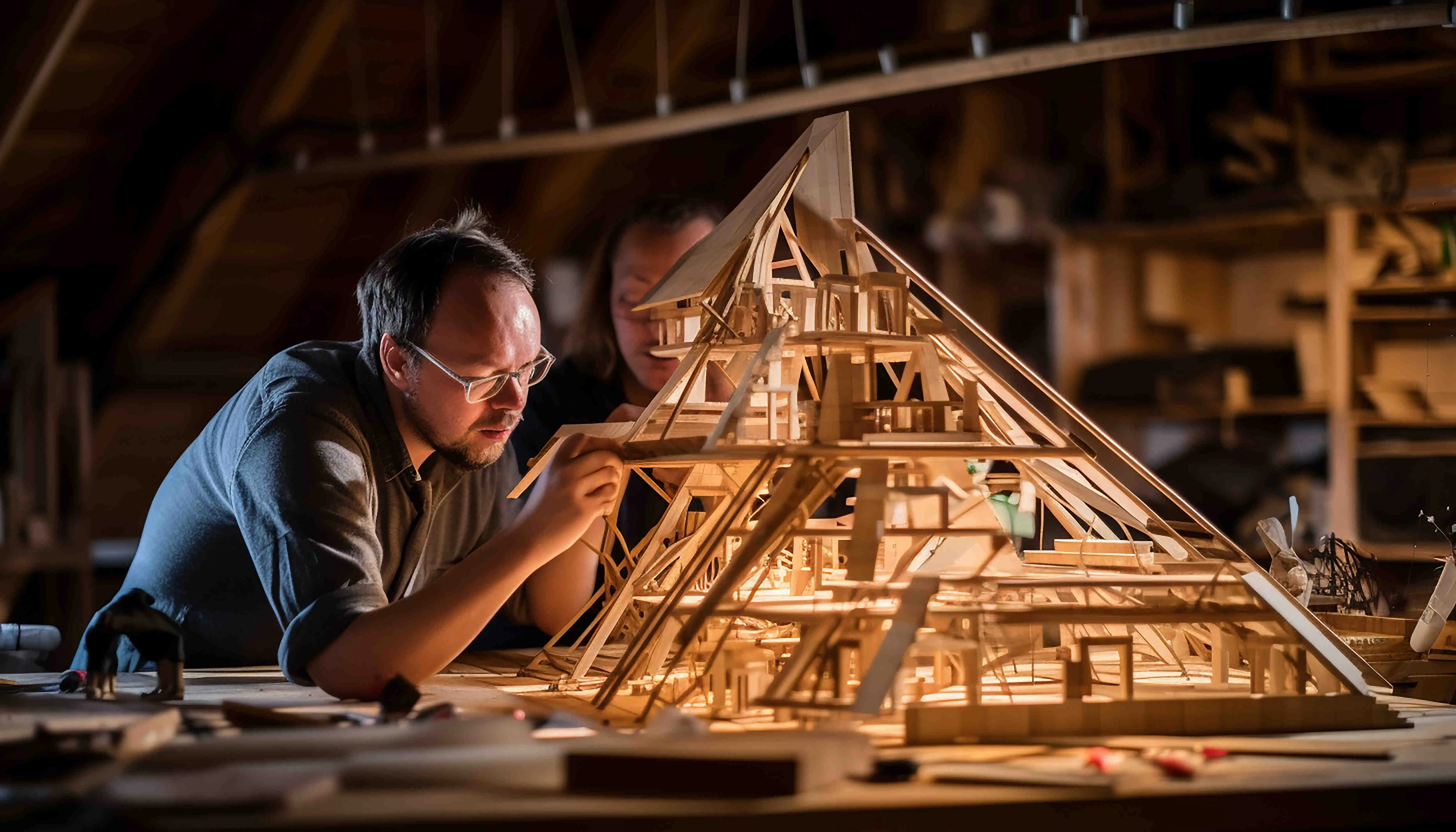
The world of carpentry is buzzing with innovations, trends, and transformative technologies. For carpenters, keeping up with these changes isn"t just about staying ahead in the game; it"s about ensuri...

In an era where technology weaves through every facet of our lives, the carpentry profession is no exception to its transformative power. Welcome to "Carpentry Chronicles," a blog series dedicated to ...

Welcome to "Carpentry Chronicles," a blog series dedicated to navigating the ever-evolving landscape of carpentry. In this edition, we dive into a trend reshaping the carpentry domain—customizat...

In the bustling world of carpentry, safety isn"t just a precaution; it"s a fundamental necessity. Welcome to "Carpentry Chronicles," a blog series committed to navigating the ever-evolving landscape o...

In carpentry, where wood meets creativity, mastery is not just a goal; it"s a journey. Welcome to "Carpentry Chronicles," a blog series that peels back the layers of carpentry to reveal the artistry a...

In the ever-evolving design landscape, where trends come and go, one element stands timeless—wood. Welcome to "Carpentry Chronicles," a blog series committed to navigating the dynamic world of c...
Sign up to start winning an unlimited amount of jobs near you.


 Electrician
Gas Engineer
Electrician
Gas Engineer


Send more enquiries and explore your options
Increasing the number of potentials leads for you!
Have more control and flexibility over your finances!