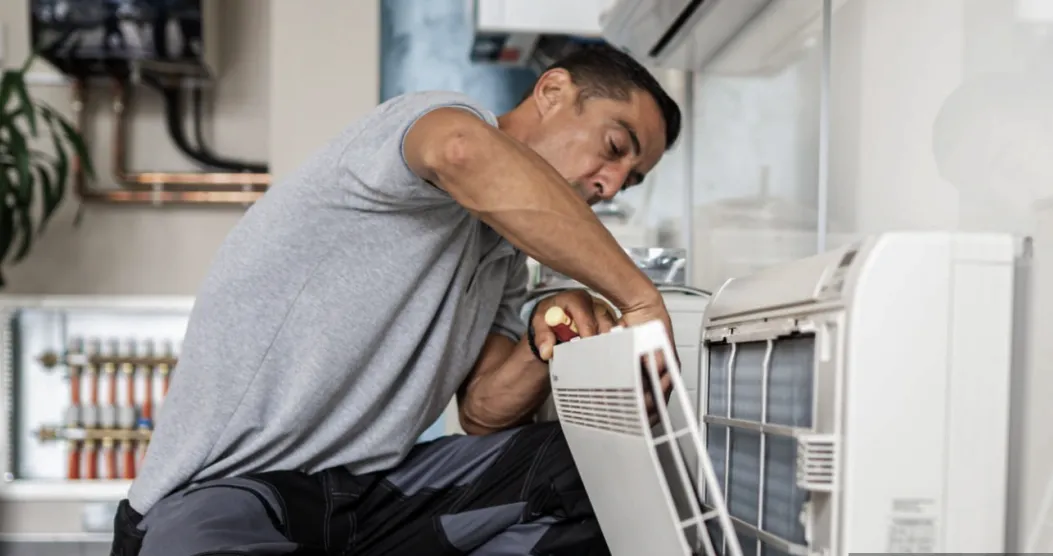



1. **Water Efficiency Standards**
Water efficiency is a significant focus of environmental regulations in the bathroom fitting industry. Many countries have set strict standards for water consumption, aiming to reduce wastage and conserve this precious resource. For example, low-flow toilets, faucets, and showerheads are now the norm, using less water while maintaining performance.
2. **Product Certification and Labeling**
Environmental regulations often require bathroom fittings to meet specific standards and carry eco-friendly labels or certifications. These certifications, such as the WaterSense label in the United States or the WELS label in Australia, help consumers identify products that meet stringent water efficiency and quality criteria.
3. **Waste Management and Recycling**
Bathroom fitters are increasingly subject to regulations related to waste management and recycling. Proper disposal of old bathroom fixtures and responsible handling of construction waste are becoming essential aspects of compliance. This includes recycling materials like glass, ceramic, and metal components to minimize their environmental impact.
4. **Hazardous Materials and Chemical Restrictions**
Environmental regulations also address the use of hazardous materials and chemicals in bathroom fittings. Restrictions on the use of substances like lead, mercury, and certain plastics aim to reduce health risks and minimize environmental pollution. Compliance with these regulations often involves product testing and substitution of materials.
5. **Energy Efficiency**
While water efficiency is paramount, energy efficiency is also a concern. Lighting and heating systems in bathrooms are subject to regulations promoting the use of energy-efficient bulbs and heating solutions. LED lighting, for instance, is favored for its energy-saving properties.
6. **Ecodesign Directives**
Ecodesign directives in the European Union (EU) have a substantial impact on bathroom fittings. These directives require manufacturers to design products with reduced environmental impact throughout their lifecycle, from production to disposal. Ecodesign principles encourage longer product lifespans, easier repairability, and the use of recycled materials.
7. **Accessibility and Universal Design**
Many regions are introducing regulations that promote accessibility and universal design in bathrooms. This includes ensuring bathrooms are accessible to individuals with disabilities and elderly individuals. While not strictly environmental, these regulations promote more inclusive and functional bathroom designs.
Adapting to Environmental Regulations
As environmental regulations become increasingly stringent, bathroom fitters and manufacturers must adapt to remain competitive and environmentally responsible. Here are some strategies to navigate these regulations effectively:
1. **Stay Informed**: Keep abreast of local, national, and international environmental regulations that may affect your business.
2. **Collaborate with Suppliers**: Work closely with suppliers to source eco-friendly materials and products that comply with regulations.
3. **Invest in Training**: Ensure that your team is knowledgeable about compliance requirements and best practices for eco-friendly bathroom installations.
4. **Offer Eco-Friendly Options**: Provide customers with a range of eco-friendly bathroom fittings and fixtures to meet their sustainability goals.
5. **Adopt Green Building Practices**: Explore green building practices, such as LEED (Leadership in Energy and Environmental Design), to enhance your environmental credibility.
Conclusion
Environmental regulations in the bathroom fitting industry are here to stay, and their impact is significant. Embracing sustainability not only helps businesses comply with these regulations but also aligns them with consumer preferences for eco-friendly solutions. By staying informed, collaborating with suppliers, investing in training, offering green options, and adopting green building practices, bathroom fitters can navigate the changing landscape of environmental regulations and contribute to a more sustainable future. Ultimately, a commitment to environmental responsibility can be a selling point, attracting environmentally conscious customers and bolstering the reputation of bathroom fitting businesses.

The world of carpentry is buzzing with innovations, trends, and transformative technologies. For carpenters, keeping up with these changes isn"t just about staying ahead in the game; it"s about ensuri...

In an era where technology weaves through every facet of our lives, the carpentry profession is no exception to its transformative power. Welcome to "Carpentry Chronicles," a blog series dedicated to ...

Welcome to "Carpentry Chronicles," a blog series dedicated to navigating the ever-evolving landscape of carpentry. In this edition, we dive into a trend reshaping the carpentry domain—customizat...

In the bustling world of carpentry, safety isn"t just a precaution; it"s a fundamental necessity. Welcome to "Carpentry Chronicles," a blog series committed to navigating the ever-evolving landscape o...

In carpentry, where wood meets creativity, mastery is not just a goal; it"s a journey. Welcome to "Carpentry Chronicles," a blog series that peels back the layers of carpentry to reveal the artistry a...

In the ever-evolving design landscape, where trends come and go, one element stands timeless—wood. Welcome to "Carpentry Chronicles," a blog series committed to navigating the dynamic world of c...
Sign up to start winning an unlimited amount of jobs near you.


 Electrician
Gas Engineer
Electrician
Gas Engineer


Send more enquiries and explore your options
Increasing the number of potentials leads for you!
Have more control and flexibility over your finances!