


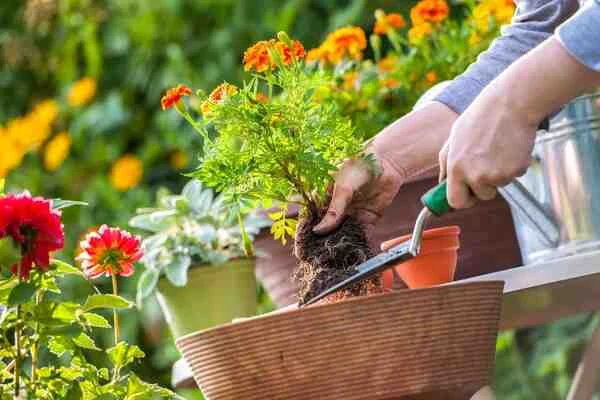
1. Native Plant Selection
One of the fundamental principles of eco-friendly landscape design is to use native plants. Native plants are those that naturally occur in a given region and have adapted to local soil, climate, and wildlife. By incorporating native plants into your landscape, you can:
- Reduce the need for fertilizers and pesticides.
- Conserve water, as native plants are well-suited to local rainfall patterns.
- Support local wildlife by providing food and habitat.
2. Water Efficiency
Water conservation is a critical aspect of sustainable landscape design. To minimize water usage:
- Choose drought-resistant plants that require less irrigation.
- Install efficient irrigation systems, such as drip irrigation, which deliver water directly to the plant roots.
- Capture and reuse rainwater through rain barrels or cisterns.
- Implement permeable surfaces, like gravel or permeable pavers, to allow rainwater to infiltrate the ground, reducing runoff.
3. Sustainable Hardscape Materials
The materials used in hardscape features like patios, walkways, and retaining walls can significantly impact the environment. Opt for sustainable materials like reclaimed wood, recycled concrete, or locally sourced stone. Avoid materials that require excessive energy for extraction, processing, and transportation.
4. Biodiversity and Wildlife Habitats
A biodiverse landscape is a healthier one. Design your landscape to support local wildlife by:
- Creating birdhouses, bee-friendly gardens, and pollinator-friendly spaces.
- Including a variety of plant species that bloom at different times of the year to provide food for pollinators year-round.
- Installing water features like ponds or bird baths to attract wildlife.
5. Sustainable Landscape Maintenance
The choices you make during the design phase can significantly impact long-term maintenance. Aim for low-maintenance designs to reduce the need for gas-powered equipment and chemical treatments. This can include planting low-maintenance grasses, using ground covers to suppress weeds, and selecting plants that require minimal pruning.
6. Soil Health
Healthy soil is the foundation of a thriving landscape. Perform soil tests to understand its composition and nutrient levels. Add organic matter, like compost or mulch, to improve soil structure and fertility. Healthy soil retains more moisture and promotes strong plant growth.
7. Energy Efficiency
Strategic placement of trees and other vegetation can help reduce energy consumption in your home. Deciduous trees can provide shade in the summer, reducing the need for air conditioning, while allowing sunlight through in the winter. This can lead to significant energy savings and a more comfortable living environment.
8. Reduced Light Pollution
Light pollution disrupts ecosystems and affects human health. Use outdoor lighting thoughtfully by:
- Employing motion sensors and timers to minimize unnecessary illumination.
- Using shielded fixtures to direct light downward and reduce light spill.
- Opting for warm-colored LED bulbs, which are less disruptive to wildlife.
Conclusion
Landscape design plays a pivotal role in our efforts to combat environmental challenges. By adopting environmentally friendly practices, we can create outdoor spaces that are not only aesthetically pleasing but also promote biodiversity, conserve resources, and mitigate the effects of climate change. Whether you"re planning a backyard garden or a large-scale urban park, consider these environmental considerations in your landscape design to contribute to a greener and more sustainable future. Your actions today will help shape a healthier planet for generations to come.
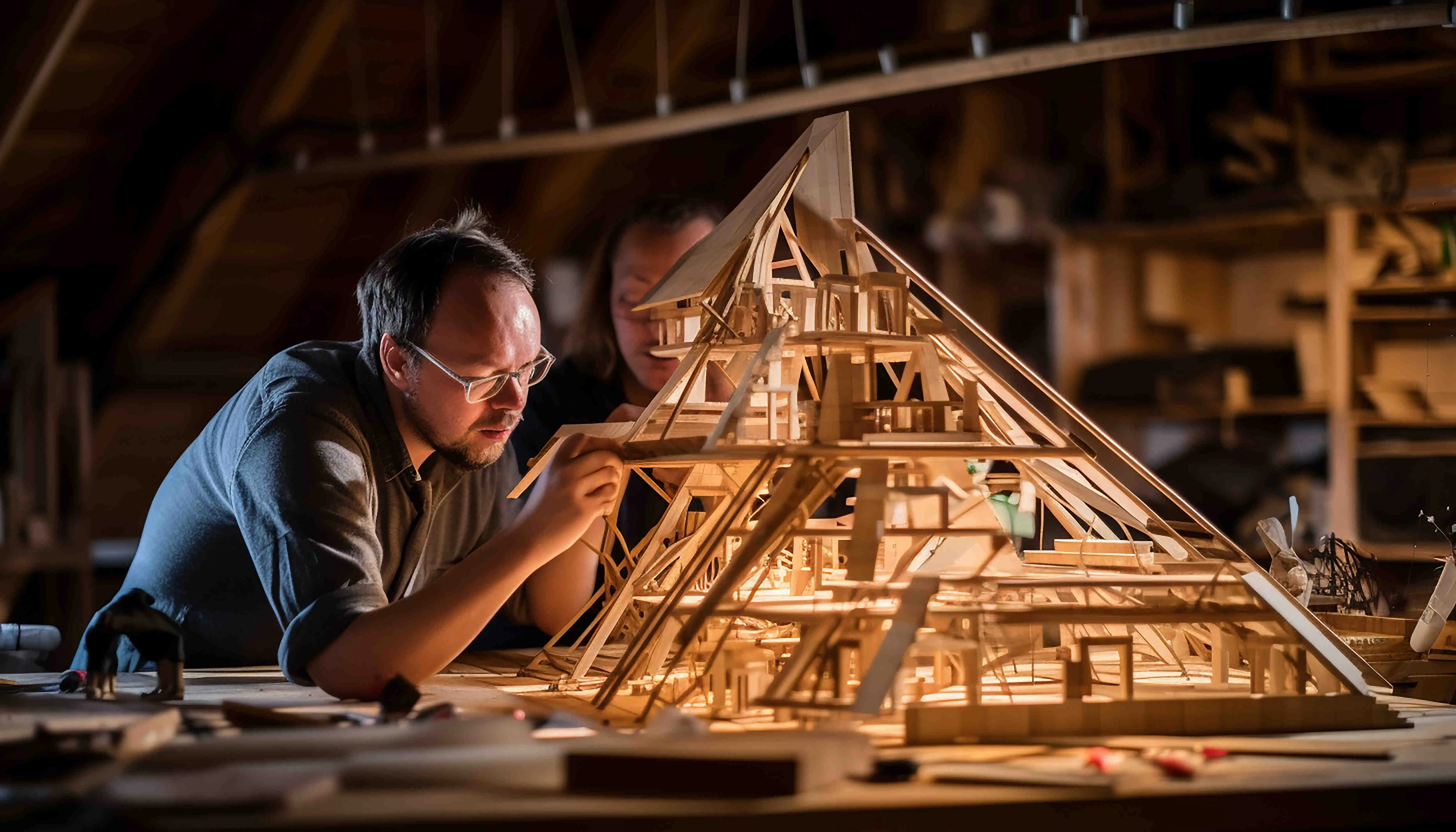
The world of carpentry is buzzing with innovations, trends, and transformative technologies. For carpenters, keeping up with these changes isn"t just about staying ahead in the game; it"s about ensuri...

In an era where technology weaves through every facet of our lives, the carpentry profession is no exception to its transformative power. Welcome to "Carpentry Chronicles," a blog series dedicated to ...

Welcome to "Carpentry Chronicles," a blog series dedicated to navigating the ever-evolving landscape of carpentry. In this edition, we dive into a trend reshaping the carpentry domain—customizat...

In the bustling world of carpentry, safety isn"t just a precaution; it"s a fundamental necessity. Welcome to "Carpentry Chronicles," a blog series committed to navigating the ever-evolving landscape o...

In carpentry, where wood meets creativity, mastery is not just a goal; it"s a journey. Welcome to "Carpentry Chronicles," a blog series that peels back the layers of carpentry to reveal the artistry a...
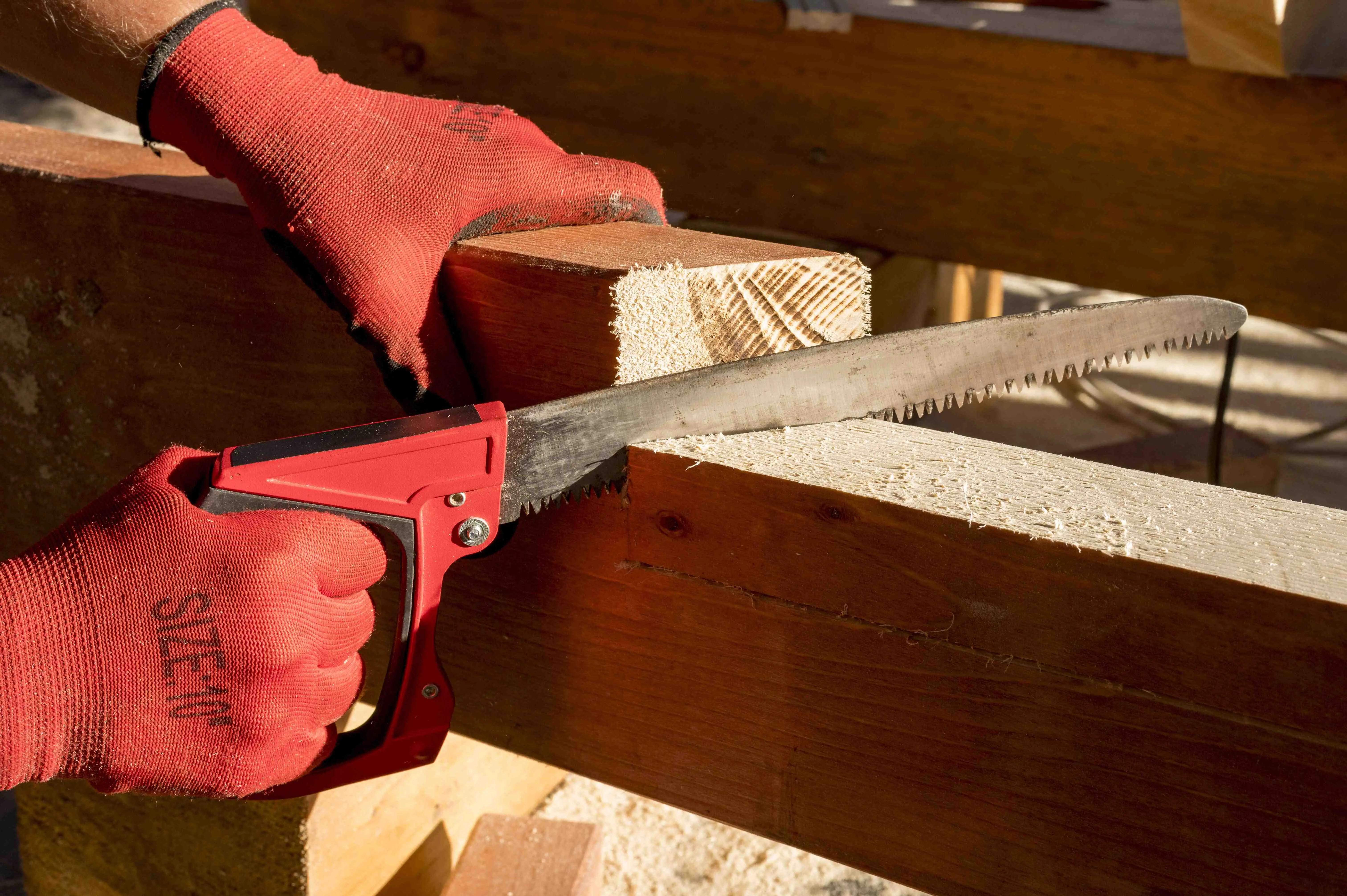
In the ever-evolving design landscape, where trends come and go, one element stands timeless—wood. Welcome to "Carpentry Chronicles," a blog series committed to navigating the dynamic world of c...
Sign up to start winning an unlimited amount of jobs near you.


 Electrician
Gas Engineer
Electrician
Gas Engineer


Send more enquiries and explore your options
Increasing the number of potentials leads for you!
Have more control and flexibility over your finances!