


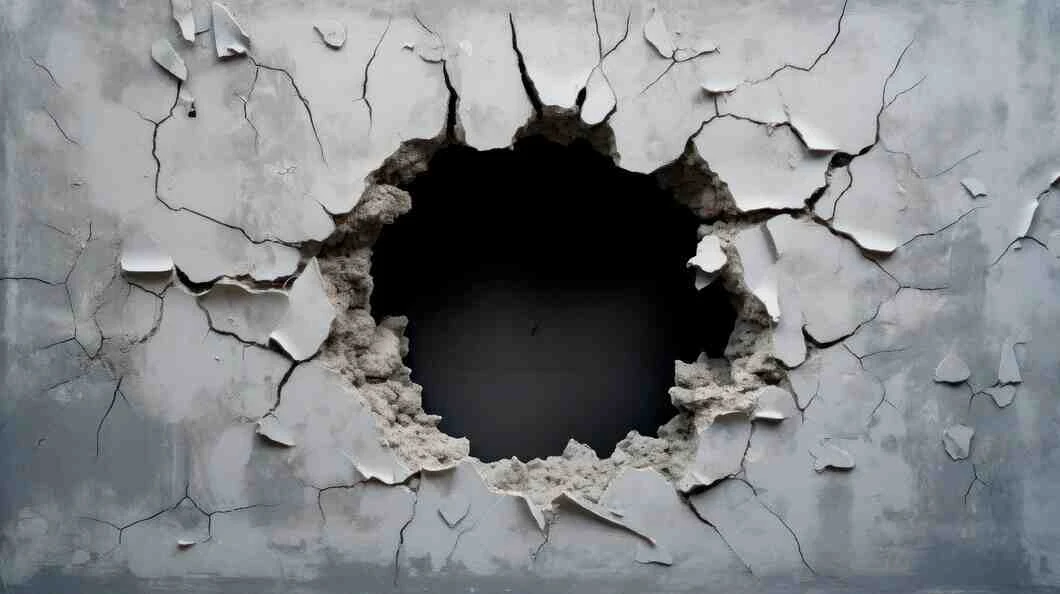
The Hidden Environmental Cost
Demolition, despite being an essential part of urban development, comes with a hidden environmental cost. The destruction of buildings and structures leads to the generation of vast amounts of waste and emissions. In many cases, these impacts are often overlooked, overshadowed by the excitement of constructing something new.
1. Waste Generation
The most apparent environmental consequence of demolition is the sheer amount of waste it generates. Construction and demolition (C&D) waste accounts for a significant portion of all waste produced globally. These materials often end up in landfills, where they contribute to soil and water pollution, as well as greenhouse gas emissions.
Solution: To mitigate this impact, it"s crucial to prioritize waste reduction and recycling during demolition. Salvaging and reusing materials, as well as recycling concrete and other building materials, can significantly reduce the amount of waste that ends up in landfills.
2. Air Pollution
Demolition activities release various airborne pollutants into the environment, such as particulate matter, asbestos, and hazardous chemicals. These pollutants can pose health risks to both workers and nearby residents.
Solution: The use of dust control measures, proper ventilation systems, and safer demolition techniques can help minimize the release of airborne pollutants. Additionally, ensuring that workers are adequately protected with appropriate safety gear is vital.
3. Energy Consumption
Demolition also consumes a substantial amount of energy, primarily through heavy machinery and equipment. The emissions from this equipment contribute to greenhouse gases, further exacerbating climate change.
Solution: Exploring alternative, more energy-efficient demolition methods and transitioning to cleaner energy sources can help reduce the energy consumption and associated emissions during demolition.
Sustainable Demolition Practices
Thankfully, there are several sustainable demolition practices that can help mitigate the environmental impacts of tearing down buildings. These practices not only minimize the harm to the environment but can also be cost-effective in the long run.
1. Deconstruction
Deconstruction is the systematic disassembly of a structure with the goal of salvaging and reusing as many materials as possible. This approach reduces waste and the need for new raw materials, cutting down on extraction and manufacturing impacts.
2. Recycling
Recycling construction and demolition waste materials, such as concrete, wood, and metals, can help conserve resources and reduce the burden on landfills. Recycled materials can be used in future construction projects, reducing the demand for virgin resources.
3. Hazardous Material Management
Properly managing hazardous materials, like asbestos, lead, and other toxic substances, is essential. Safely removing and disposing of these materials protects both human health and the environment.
4. Green Demolition Equipment
Using modern, energy-efficient demolition equipment can significantly reduce energy consumption and emissions. Electric or hybrid machinery can be quieter, more energy-efficient, and produce fewer emissions.
5. Planning and Regulation
Municipalities and governments can play a vital role by implementing and enforcing strict demolition regulations that prioritize sustainability. These regulations can include waste management plans, air quality control, and safety measures.
Benefits of Sustainable Demolition
Embracing sustainable demolition practices comes with numerous benefits that extend beyond environmental considerations:
1. Reduced Costs
Deconstruction and recycling can lower disposal costs and may even generate revenue from the sale of salvaged materials. Energy-efficient equipment can also lead to reduced operational costs.
2. Positive Community Impact
Sustainable demolition practices reduce the impact on nearby communities by minimizing noise, dust, and the release of hazardous materials. This fosters goodwill and a positive public image for developers and contractors.
3. Resource Conservation
By salvaging and recycling materials, we can conserve natural resources, reduce landfill use, and decrease the need for new resource extraction.
4. Legal Compliance
Complying with environmental regulations and best practices in demolition helps companies avoid fines and legal issues. It also ensures worker safety and public health.
Case Study: The High Line Park, New York City
The transformation of the High Line in New York City into an urban park is an excellent example of how sustainable demolition and construction practices can revitalize a city while respecting its history and environment. The High Line was once a disused railway line slated for demolition. However, a group of dedicated citizens recognized its potential as a green space.
Rather than tearing down the entire structure, they carefully dismantled and repurposed elements of the railway, preserving the area"s industrial history. The project not only saved significant resources but also created an urban park that has become a beloved community space and a model for sustainable urban development worldwide.
The Path Forward
As we move toward a more sustainable future, it is clear that we cannot afford to overlook the environmental implications of demolition. With the right practices, we can mitigate the negative impacts and contribute to a greener, more responsible construction industry.
Sustainable demolition is not just a matter of environmental responsibility; it"s also an opportunity for economic savings, community development, and resource conservation. By prioritizing deconstruction, recycling, and responsible management of hazardous materials, we can shape a future where our cities grow while preserving the environment.
It"s time to recognize that sustainable demolition is a cornerstone in building a better, more environmentally responsible world. Whether you"re a construction professional, policymaker, or concerned citizen, there"s a role for everyone in ensuring that the old can make way for the new without sacrificing our planet"s future. Let"s embrace the challenge and work together to create a world where demolition is synonymous with sustainability.

The world of carpentry is buzzing with innovations, trends, and transformative technologies. For carpenters, keeping up with these changes isn"t just about staying ahead in the game; it"s about ensuri...

In an era where technology weaves through every facet of our lives, the carpentry profession is no exception to its transformative power. Welcome to "Carpentry Chronicles," a blog series dedicated to ...

Welcome to "Carpentry Chronicles," a blog series dedicated to navigating the ever-evolving landscape of carpentry. In this edition, we dive into a trend reshaping the carpentry domain—customizat...

In the bustling world of carpentry, safety isn"t just a precaution; it"s a fundamental necessity. Welcome to "Carpentry Chronicles," a blog series committed to navigating the ever-evolving landscape o...

In carpentry, where wood meets creativity, mastery is not just a goal; it"s a journey. Welcome to "Carpentry Chronicles," a blog series that peels back the layers of carpentry to reveal the artistry a...
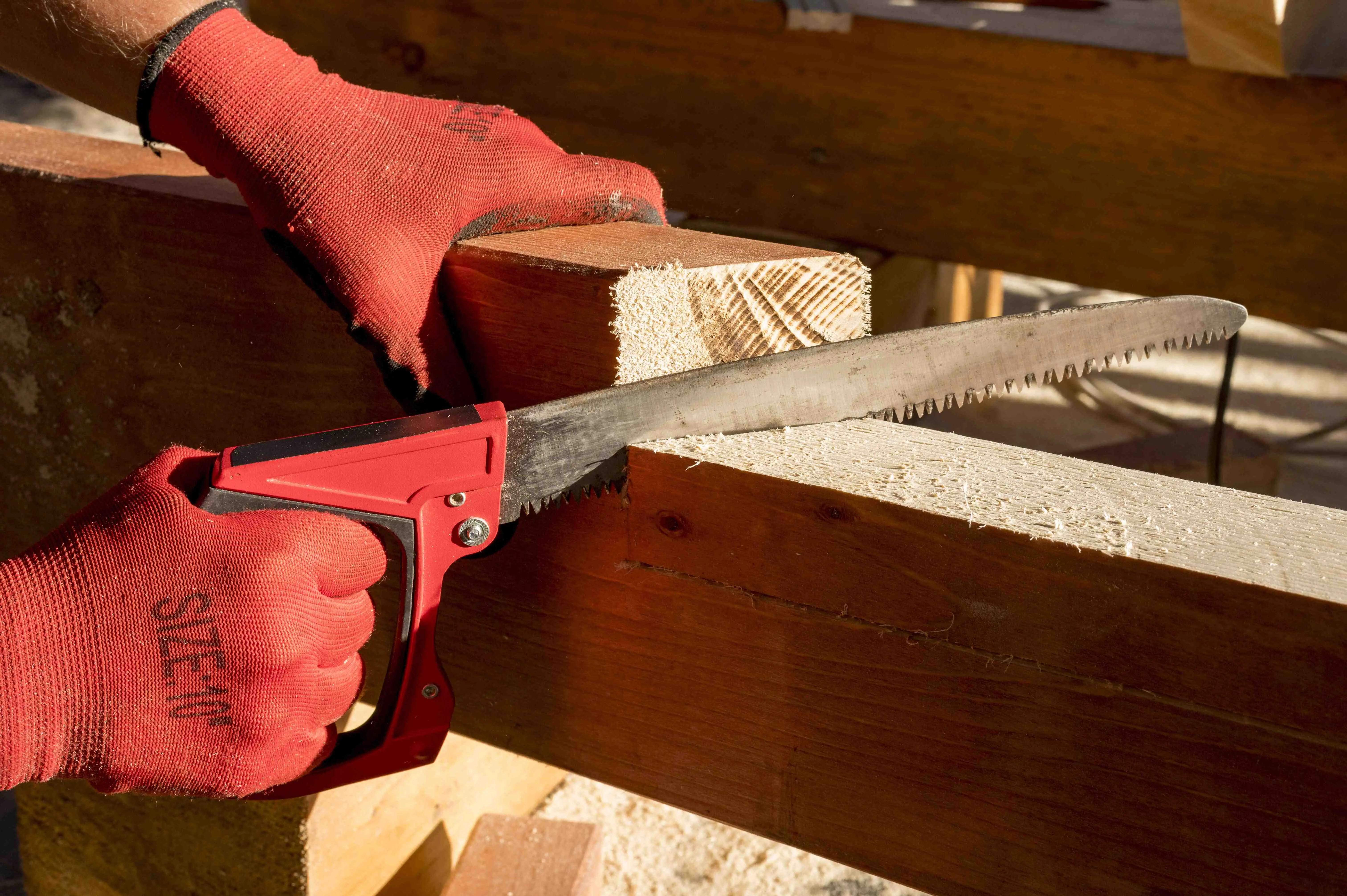
In the ever-evolving design landscape, where trends come and go, one element stands timeless—wood. Welcome to "Carpentry Chronicles," a blog series committed to navigating the dynamic world of c...
Sign up to start winning an unlimited amount of jobs near you.


 Electrician
Gas Engineer
Electrician
Gas Engineer


Send more enquiries and explore your options
Increasing the number of potentials leads for you!
Have more control and flexibility over your finances!