



Understanding the Impact of Dampness
Dampness isn"t just a nuisance; it"s a problem that can have far-reaching consequences, both for the environment and for our well-being. It"s crucial to acknowledge that the first step in addressing dampness is recognizing its impacts. Some of the notable consequences include:
Mold Growth: Damp environments provide a breeding ground for mold, which can release spores that are harmful to respiratory health.
Structural Damage: Water can erode building materials, leading to costly repairs and structural instability.
Energy Consumption: Damp buildings require more energy for heating and cooling, contributing to greenhouse gas emissions.
Indoor Air Quality: Dampness can lead to the accumulation of indoor pollutants, impacting the health of occupants.
Biodiversity: Excess moisture can harm the natural environment surrounding a property, affecting local flora and fauna.
The Traditional Approach to Damp Solutions
Historically, the traditional approach to addressing dampness involved the use of resource-intensive materials and energy-consuming processes. Here are a few common practices that, while effective, might not be the most environmentally friendly:
Waterproofing: Traditional waterproofing methods often involve the use of petroleum-based products, such as asphalt or bitumen, which are not sustainable in the long run.
Dehumidification: To combat excess indoor moisture, dehumidifiers are frequently used, which consume significant amounts of electricity and contribute to energy waste.
Demolition and Rebuilding: In extreme cases of structural damage, the entire building may need to be demolished and reconstructed, resulting in the disposal of materials and waste.
Chemical Solutions: Many chemical treatments and coatings used in damp solutions can have detrimental effects on the environment, including soil and water contamination.
Striking a Balance: Environmentally-Friendly Damp Solutions
As our understanding of environmental issues deepens, so does our commitment to finding sustainable damp solutions. Here are some strategies to strike a balance between preservation and sustainability:
Green Building Materials: Choose eco-friendly building materials that are both durable and moisture-resistant. Bamboo flooring, recycled-content drywall, and sustainable insulation materials are excellent choices.
Passive Design: Utilize passive design techniques to improve a building"s resistance to moisture. This can include proper orientation, effective ventilation, and the use of natural materials.
Rainwater Harvesting: Implement rainwater harvesting systems to manage and redirect excess water, reducing the reliance on traditional water sources.
Energy-Efficient Dehumidification: If dehumidification is necessary, invest in energy-efficient systems that consume less electricity and have a lower environmental footprint.
Non-Chemical Treatments: Seek non-chemical solutions for mold prevention, such as dehumidifiers, proper ventilation, and natural antimicrobial treatments like vinegar or baking soda.
Repair and Restore: Instead of demolishing and rebuilding, consider repair and restoration methods that retain the integrity of the existing structure while reducing waste.
Preservation of Natural Ecosystems: Prioritize the preservation of natural ecosystems around the property, as they play a crucial role in regulating moisture levels and providing habitat for local wildlife.
Sustainable Landscaping: Implement landscaping practices that encourage water absorption and drainage, such as permeable pavements and rain gardens.
The Future of Damp Solutions
The future of damp solutions lies in embracing technology and innovation while maintaining a steadfast commitment to environmental responsibility. Here are a few developments to watch for:
Smart Dampness Monitoring: IoT (Internet of Things) technology is being used to monitor moisture levels in real-time, allowing for timely intervention and energy-efficient solutions.
Biodegradable Coatings: Research is ongoing to develop biodegradable coatings and treatments that combat dampness without harming the environment.
Green Infrastructure: Incorporating green roofs and walls into building design can help absorb excess water and reduce energy consumption.
Renewable Energy Integration: Combining damp solutions with renewable energy sources can create self-sustaining systems that reduce the carbon footprint.
Education and Advocacy: The more property owners and professionals in the building industry are educated about the environmental impact of damp solutions, the more likely they are to adopt sustainable practices.
In conclusion, while dampness remains a persistent problem in buildings, we have the knowledge and tools to address it responsibly. Environmental considerations should be at the forefront of our efforts, ensuring that the solutions we choose not only protect our properties but also safeguard the planet. By finding the balance between preservation and sustainability, we can create a more resilient and eco-friendly built environment for generations to come.
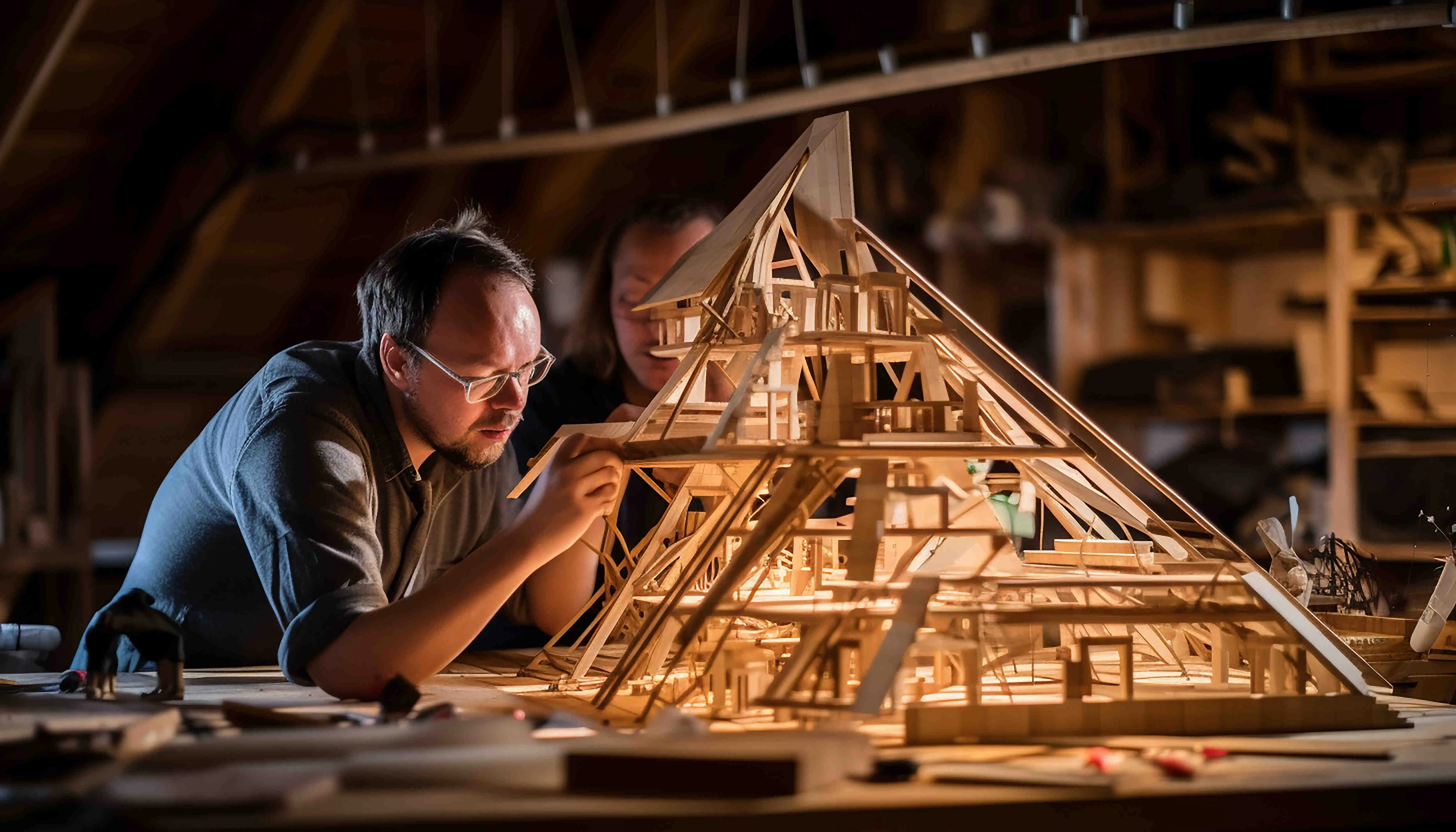
The world of carpentry is buzzing with innovations, trends, and transformative technologies. For carpenters, keeping up with these changes isn"t just about staying ahead in the game; it"s about ensuri...

In an era where technology weaves through every facet of our lives, the carpentry profession is no exception to its transformative power. Welcome to "Carpentry Chronicles," a blog series dedicated to ...

Welcome to "Carpentry Chronicles," a blog series dedicated to navigating the ever-evolving landscape of carpentry. In this edition, we dive into a trend reshaping the carpentry domain—customizat...

In the bustling world of carpentry, safety isn"t just a precaution; it"s a fundamental necessity. Welcome to "Carpentry Chronicles," a blog series committed to navigating the ever-evolving landscape o...
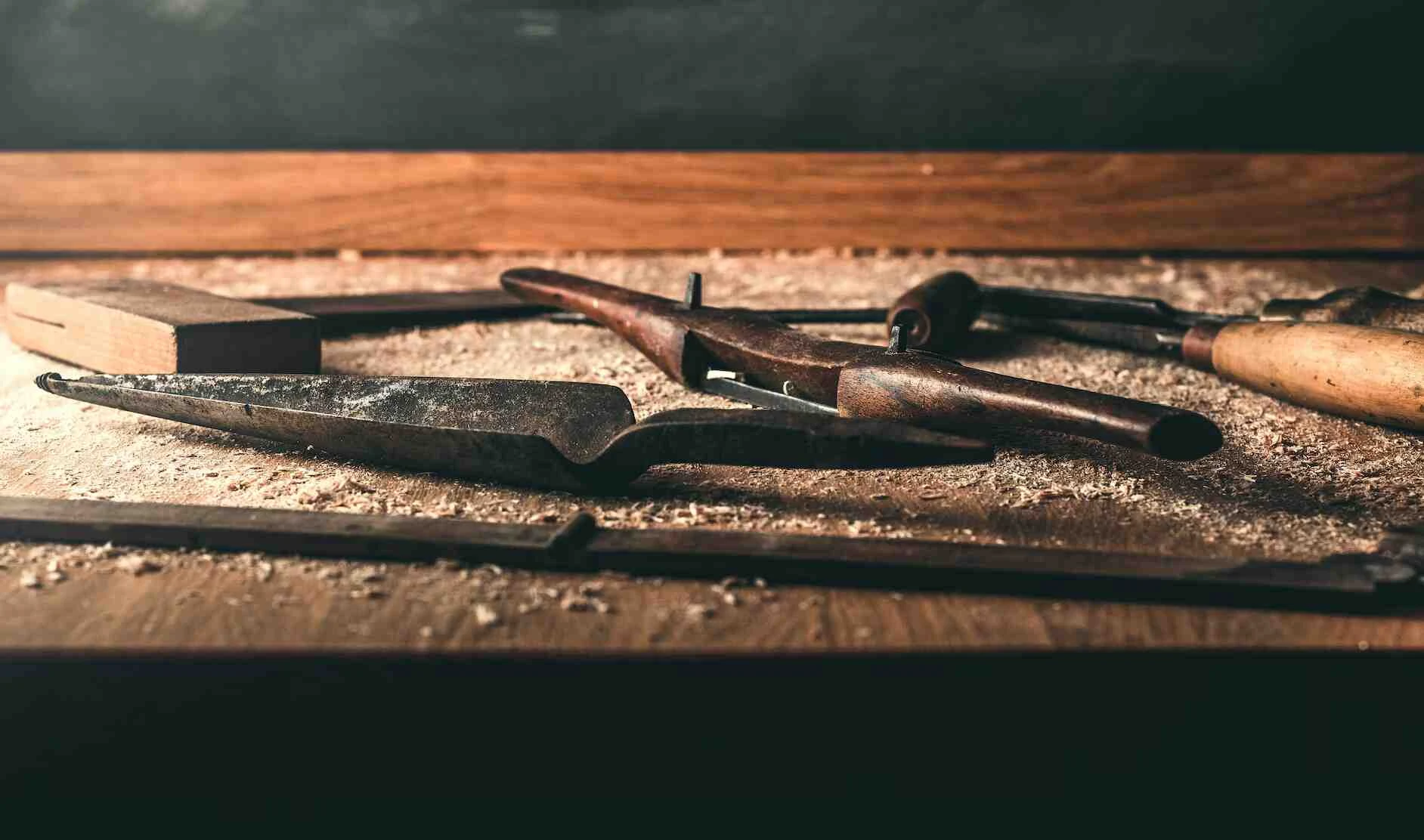
In carpentry, where wood meets creativity, mastery is not just a goal; it"s a journey. Welcome to "Carpentry Chronicles," a blog series that peels back the layers of carpentry to reveal the artistry a...
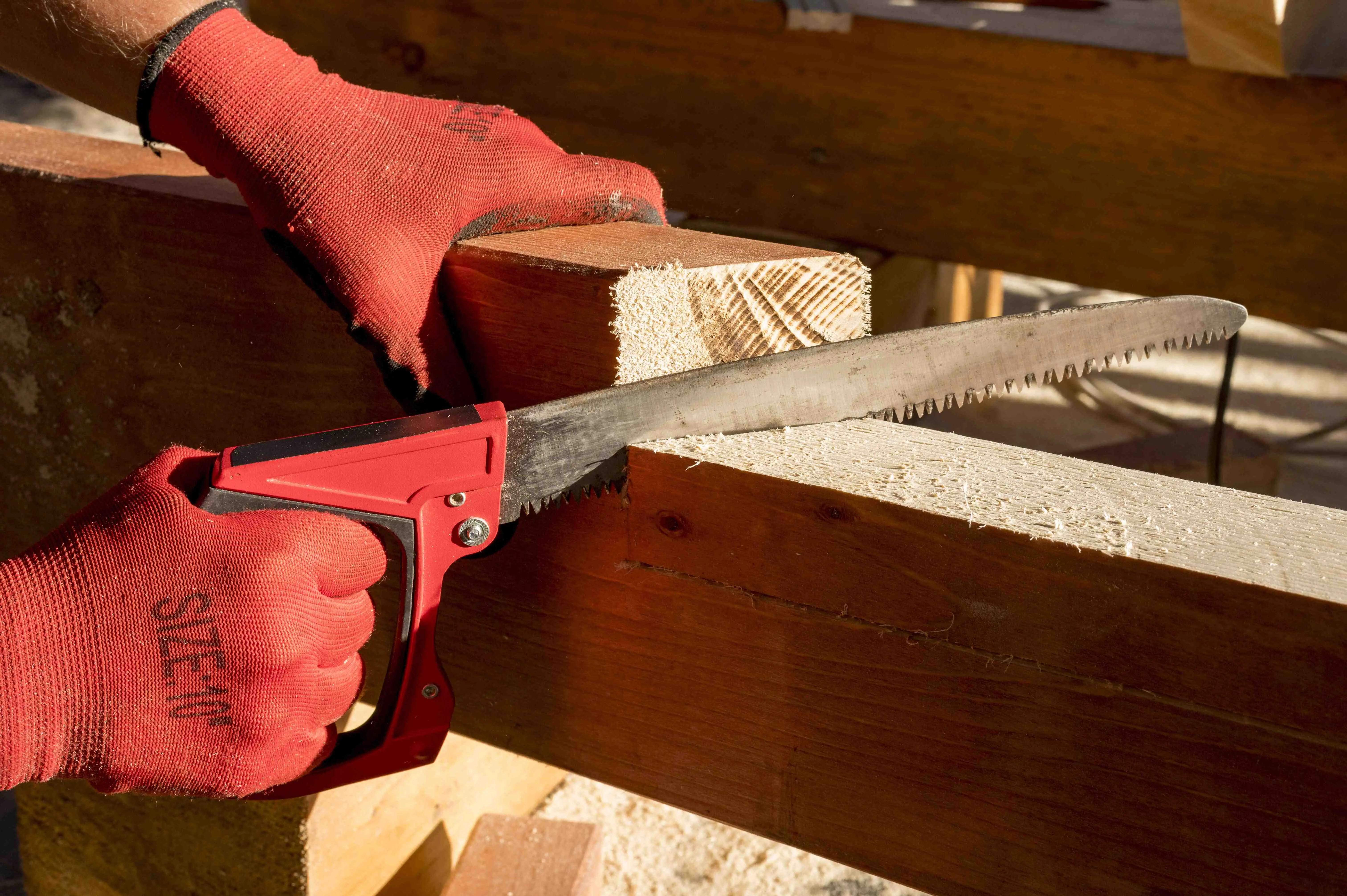
In the ever-evolving design landscape, where trends come and go, one element stands timeless—wood. Welcome to "Carpentry Chronicles," a blog series committed to navigating the dynamic world of c...
Sign up to start winning an unlimited amount of jobs near you.


 Electrician
Gas Engineer
Electrician
Gas Engineer


Send more enquiries and explore your options
Increasing the number of potentials leads for you!
Have more control and flexibility over your finances!