


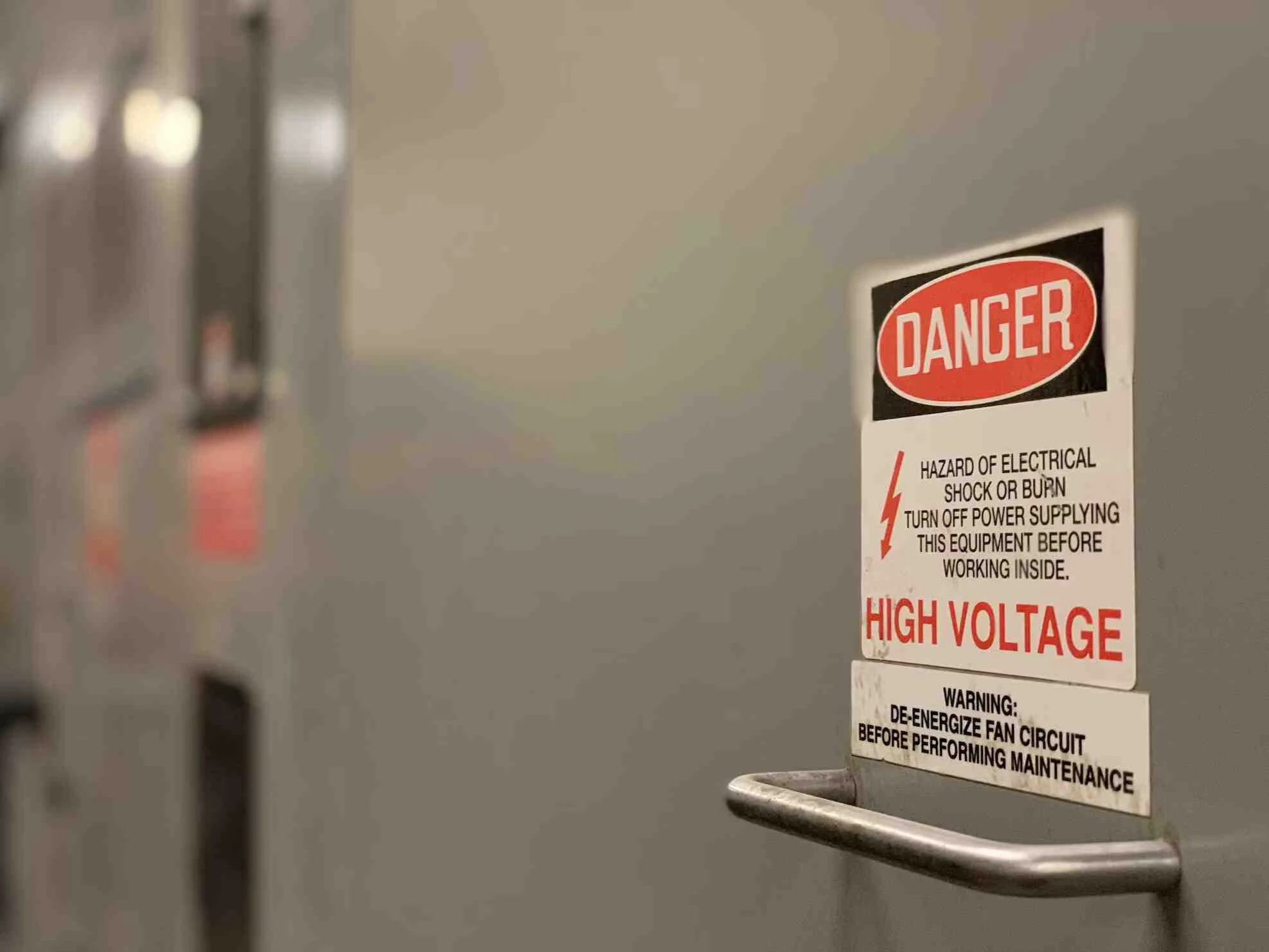
Regular Electrical Inspections:
Consider scheduling regular electrical inspections by a licensed electrician, especially if your home is older or you"ve recently purchased a new property. These inspections can identify potential issues, outdated wiring, or faulty connections that may pose safety hazards.
2. Outlet and Switch Maintenance:
Inspect outlets and switches for signs of wear or damage. Loose or cracked outlets, warm faceplates, or sparking switches are red flags that should be addressed immediately. Replace any damaged components to prevent electrical faults.
3. Childproofing:
If you have young children at home, childproof electrical outlets to prevent accidents. Install outlet covers or tamper-resistant outlets to keep curious little hands away from live electrical contacts.
4. Extension Cord Safety:
Avoid overloading extension cords or power strips. They should only be used as temporary solutions and not as a permanent source of power. If you find yourself relying on extension cords regularly, consider installing additional outlets where needed.
5. GFCI Outlets:
Install Ground Fault Circuit Interrupter (GFCI) outlets in areas exposed to moisture, such as bathrooms, kitchens, and outdoor spaces. GFCIs automatically cut off power when they detect a ground fault, reducing the risk of electrical shock.
6. Arc-Fault Circuit Interrupters (AFCIs):
AFCIs detect and prevent electrical fires caused by arc faults in wiring. Consider having AFCI breakers or outlets installed in bedrooms and living areas to enhance fire safety.
7. Light Bulb Wattage:
Ensure that light bulbs used in fixtures and lamps do not exceed the manufacturer"s recommended wattage. Using higher-wattage bulbs can overheat fixtures and lead to fires.
8. Appliance Maintenance:
Regularly inspect and maintain appliances. Replace or repair damaged cords or plugs immediately, and follow manufacturer guidelines for care and maintenance.
9. Outdoor Electrical Safety:
Use weatherproof outlet covers and enclosures for outdoor outlets and ensure that all outdoor wiring and lighting fixtures are designed for exterior use. Keep electrical equipment away from pools and wet areas.
10. Electrical Panel:
Know the location of your electrical panel (breaker box) and how to shut off power in case of an emergency. Label circuit breakers clearly for easy identification.
11. Emergency Preparedness:
Have working smoke detectors and carbon monoxide detectors installed in your home. Test them regularly, and replace batteries as needed. Develop an emergency evacuation plan and ensure that all family members are familiar with it.
12. DIY Electrical Work:
If you"re not a trained electrician, avoid DIY electrical work. Electrical projects should be left to professionals who have the expertise to work safely with electricity.
Conclusion:
Electrical safety is a critical aspect of home maintenance. By following these expert tips and being vigilant about potential hazards, you can create a safe environment for you and your family. Regular inspections, maintenance, and the use of safety devices like GFCIs and AFCIs will go a long way in preventing electrical accidents and ensuring peace of mind in your home. Always prioritize safety when it comes to electricity.

Introduction: In carpentry, time is money, and workflow is the pulse that keeps the business alive. Yet, many carpenters need help with a disjointed workflow, stifling efficiency and sapping the joy o...
.webp)
Introduction: Carpentry more than just a trade, is an art form. The journey to mastery involves constantly honing one"s skills, a voyage where every chisel stroke and nail-driven shapes not just ...

In the world of woodworking, every piece of timber tells a story - a tale of craftsmanship, dedication, and wisdom. For aspiring woodworkers and seasoned artisans alike, this blog is a collection of T...

In the world of woodworking, every piece crafted is a note in the symphony of a carpenter"s career. Yet, to compose a melodious tune, one must prioritize the conductor - their health and longevity. Th...
In carpentry, precision isn"t just about chiselling wood; it"s about chiselling a successful business. Financial stability and growth are the building blocks of a carpentry enterprise. Welcome to "Cra...

In the world of woodworking, creating something beautiful is not just an art—it"s a responsibility. A responsibility towards the craft, the client, and most importantly, the safety and well-bein...
Sign up to start winning an unlimited amount of jobs near you.


 Electrician
Gas Engineer
Electrician
Gas Engineer


Send more enquiries and explore your options
Increasing the number of potentials leads for you!
Have more control and flexibility over your finances!