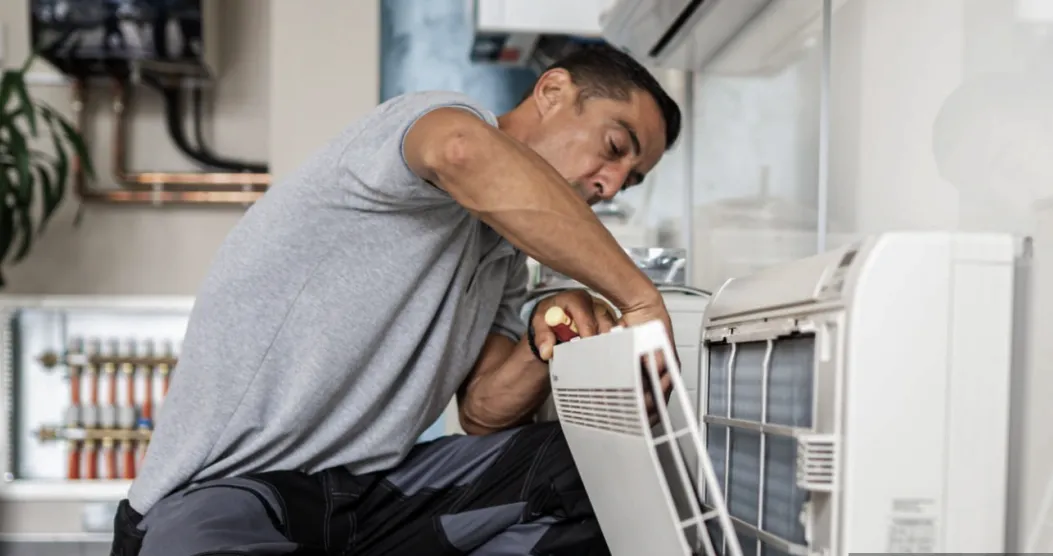



Artificial Intelligence and Machine Learning
One of the most significant trends in smart thermostats is the integration of artificial intelligence (AI) and machine learning algorithms. These technologies enable thermostats to learn from your behaviors, preferences, and occupancy patterns, allowing them to create personalized heating and cooling schedules. Over time, the thermostat adapts to your lifestyle, optimizing energy usage and reducing utility bills. Moreover, AI-driven thermostats can also provide valuable insights into your HVAC system"s performance and suggest maintenance when needed, helping you avoid costly repairs.
Remote Monitoring and Control
The ability to remotely monitor and control your HVAC system has been a transformative development in the smart thermostat market. Smartphones and dedicated apps allow homeowners to adjust the temperature, change settings, or check energy usage from anywhere in the world. This not only enhances convenience but also contributes to energy savings. For instance, you can adjust the thermostat settings before arriving home, ensuring a comfortable environment while avoiding unnecessary heating or cooling when no one is present.
Integration with Virtual Assistants
Voice-controlled smart thermostats have gained immense popularity, thanks to their seamless integration with virtual assistants like Amazon Alexa, Google Assistant, and Apple HomeKit. Users can change the temperature, inquire about the current settings, or set up heating/cooling schedules through simple voice commands. This hands-free approach to thermostat control enhances accessibility and convenience, especially for individuals with mobility issues.
Energy Efficiency and Sustainability
As global concerns about climate change grow, there is a strong focus on energy efficiency and sustainability in the HVAC industry. Smart thermostats are at the forefront of this movement, offering features such as geofencing (adjusting temperatures based on your location) and energy consumption tracking. Some models also provide energy usage reports and tips on how to reduce your carbon footprint, empowering homeowners to make environmentally conscious choices.
Interoperability and Ecosystems
Interoperability and compatibility have become essential factors in the smart thermostat market. Consumers increasingly demand devices that can seamlessly integrate with other smart home products like smart lighting, security cameras, and door locks. Manufacturers are responding by ensuring their thermostats work within broader smart home ecosystems, offering centralized control and automation options through a single app or voice assistant.
Enhanced User Experience
User experience is a critical aspect of smart thermostats. Manufacturers are investing in user-friendly interfaces, intuitive mobile apps, and responsive touchscreens to make interaction with thermostats a breeze. Many devices also offer color-coded displays and icons for quick and easy interpretation of temperature settings and system status.
Advanced Sensors and Air Quality Monitoring
The next frontier in smart thermostats is the integration of advanced sensors and air quality monitoring capabilities. Some thermostats now come equipped with sensors that can detect occupancy, humidity levels, and even air quality, allowing for more precise and efficient HVAC control. This not only ensures comfort but also supports a healthier indoor environment, particularly important for those with allergies or respiratory conditions.
Customized Zoning
Customized zoning is an emerging trend that aims to address the issue of uneven temperature distribution in homes with multiple rooms. Smart thermostats can control individual HVAC zones, allowing users to adjust temperatures independently for each area. This feature ensures that every part of the house maintains the desired comfort level, further optimizing energy usage.
Integration of Renewable Energy Sources
In line with the push for sustainability, smart thermostats are increasingly being designed to work in tandem with renewable energy sources like solar panels. These thermostats can optimize heating and cooling schedules based on solar energy availability, maximizing energy savings and reducing dependence on fossil fuels.
Conclusion
The world of smart thermostats and controls is evolving at an unprecedented pace, driven by advancements in technology, a growing awareness of energy efficiency, and the increasing demand for convenience. As we move forward, we can expect even more exciting developments in this field, with AI-driven customization, enhanced sensors, and sustainability at the forefront. By embracing these emerging trends, homeowners can create more comfortable, energy-efficient, and eco-friendly living spaces, ultimately improving their quality of life and contributing to a greener planet. The future of smart thermostats is not just about controlling temperature; it"s about controlling our environmental impact and making our homes smarter, one degree at a time.

The world of carpentry is buzzing with innovations, trends, and transformative technologies. For carpenters, keeping up with these changes isn"t just about staying ahead in the game; it"s about ensuri...

In an era where technology weaves through every facet of our lives, the carpentry profession is no exception to its transformative power. Welcome to "Carpentry Chronicles," a blog series dedicated to ...

Welcome to "Carpentry Chronicles," a blog series dedicated to navigating the ever-evolving landscape of carpentry. In this edition, we dive into a trend reshaping the carpentry domain—customizat...
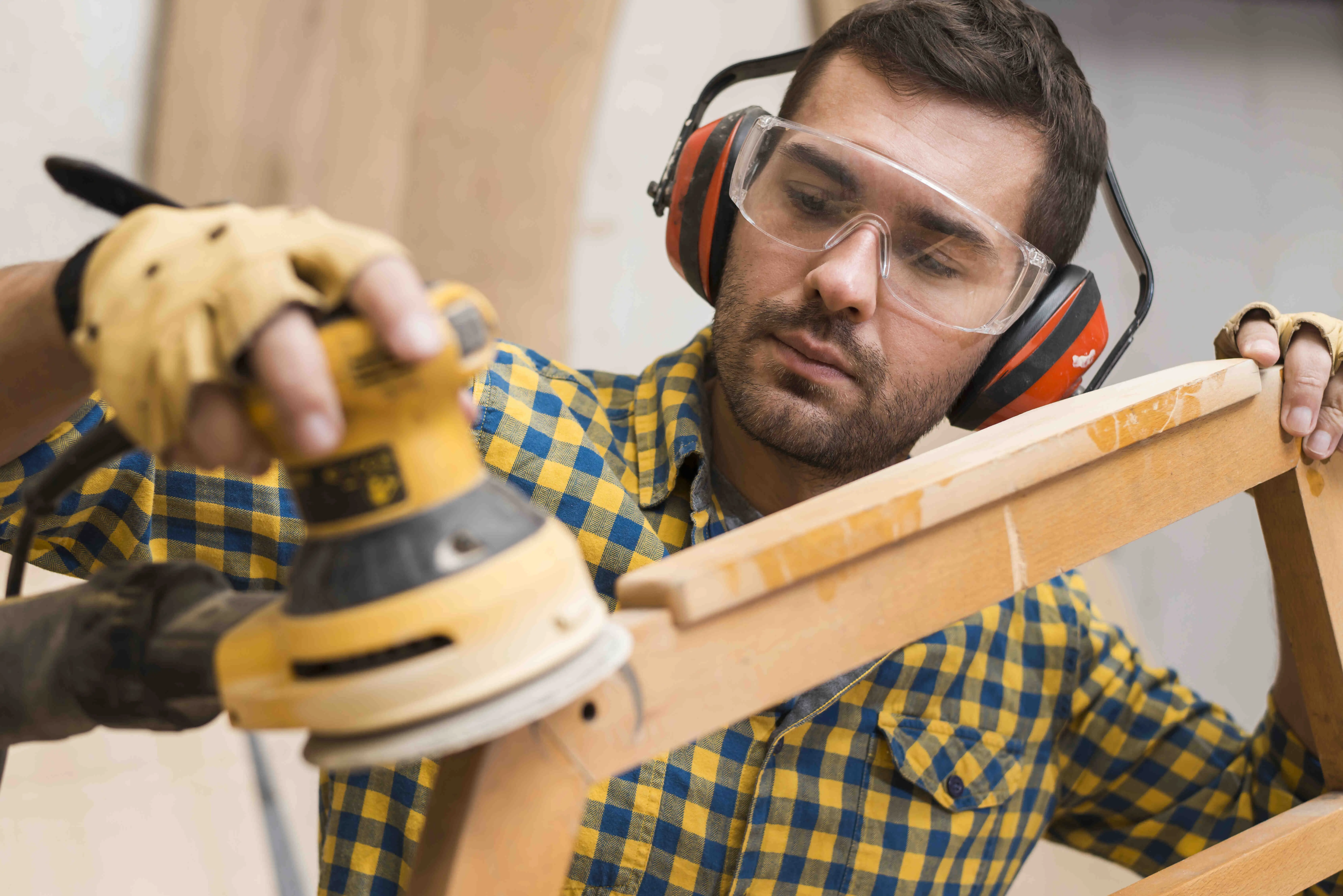
In the bustling world of carpentry, safety isn"t just a precaution; it"s a fundamental necessity. Welcome to "Carpentry Chronicles," a blog series committed to navigating the ever-evolving landscape o...

In carpentry, where wood meets creativity, mastery is not just a goal; it"s a journey. Welcome to "Carpentry Chronicles," a blog series that peels back the layers of carpentry to reveal the artistry a...
In the ever-evolving design landscape, where trends come and go, one element stands timeless—wood. Welcome to "Carpentry Chronicles," a blog series committed to navigating the dynamic world of c...
Sign up to start winning an unlimited amount of jobs near you.


 Electrician
Gas Engineer
Electrician
Gas Engineer


Send more enquiries and explore your options
Increasing the number of potentials leads for you!
Have more control and flexibility over your finances!