


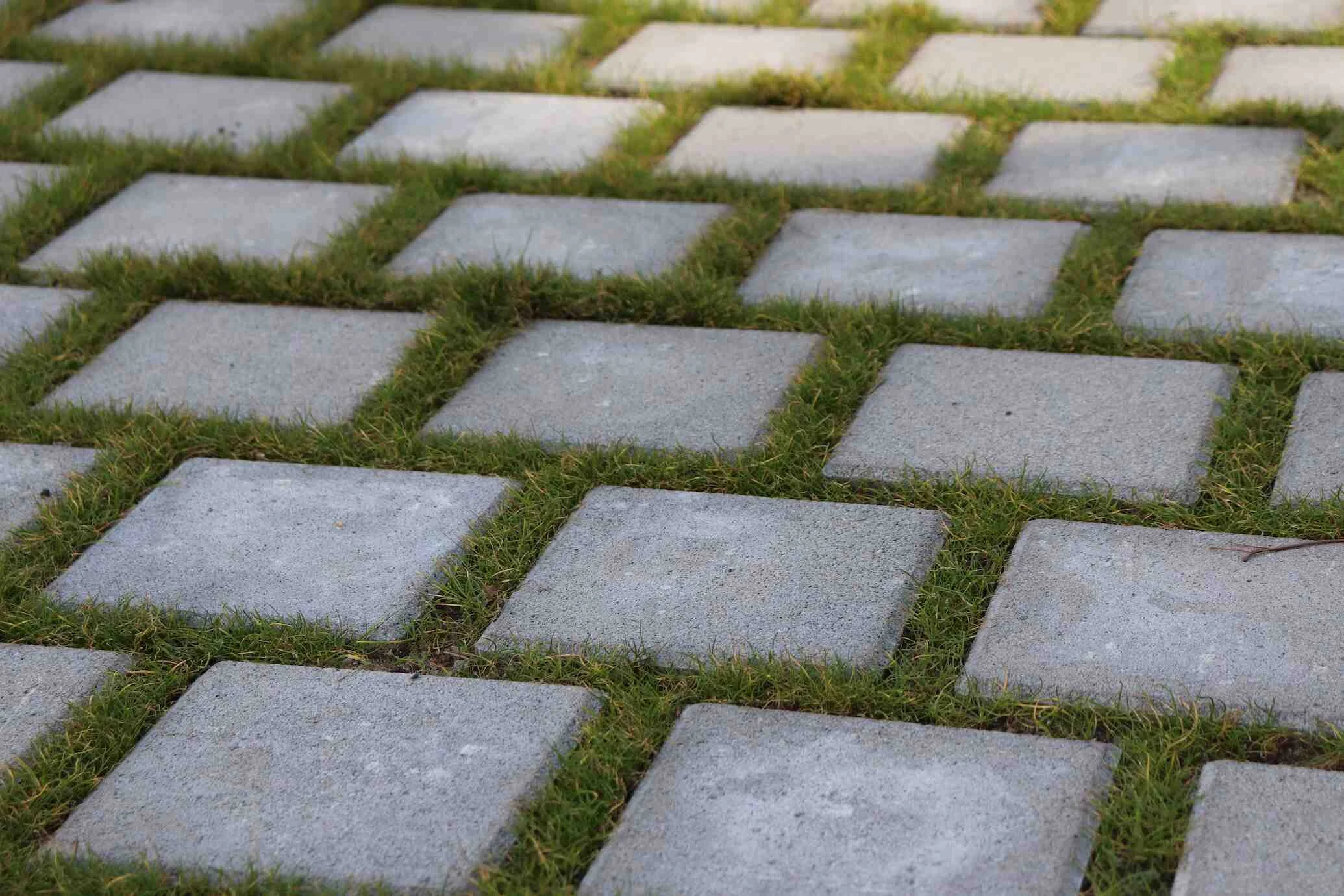
1. **Sustainable Materials and Practices**
The trend toward sustainability is making its mark in the world of decorative paving. Homeowners and urban planners are increasingly seeking materials and techniques that minimize environmental impact. This has given rise to the use of recycled materials, permeable pavers, and eco-friendly coatings that reduce heat absorption and water runoff.
2. **Customization and Personalization**
Customization is a key trend in decorative paving. People want their outdoor spaces to reflect their unique tastes and preferences. This trend is giving rise to personalized designs, color choices, and patterns. Decorative paving companies are using technology and software to create one-of-a-kind designs tailored to the client"s vision.
3. **Incorporation of Art and Graphics**
Decorative paving is evolving into a form of outdoor art. Artists and designers are using pavements as canvases for intricate and visually stunning designs. Murals, mosaics, and even 3D illusions are being incorporated into public spaces and residential driveways, transforming these areas into works of art.
4. **Mixing Materials**
Innovative combinations of materials are being used to create striking visual effects. Concrete can be seamlessly combined with wood, glass, or metal to create unique textures and contrasts. These material combinations add depth and interest to outdoor spaces.
5. **Smart and Interactive Pavements**
The integration of technology into decorative paving is an emerging trend. Smart pavements can include features like LED lighting, dynamic color-changing patterns, and even embedded sensors. These innovations allow for interactive outdoor experiences and can be used for wayfinding, public art displays, and more.
6. **Nature-Inspired Patterns**
Natural elements have a timeless appeal, and they"re becoming increasingly popular in decorative paving. Patterns inspired by leaves, waves, stones, and other organic shapes are being used to create harmonious and visually soothing outdoor spaces.
7. **Geometric and Linear Designs**
Geometric shapes and linear patterns are gaining traction in modern decorative paving. Clean lines, well-defined shapes, and precision in design are being used to create a minimalist and contemporary look.
8. **Heritage and Cultural Influences**
Decorative paving is often used to celebrate cultural heritage and historical significance. Patterns, colors, and symbols influenced by a region"s history or culture can be incorporated into public spaces to celebrate and preserve these important aspects of society.
9. **Mixed-Use Spaces**
With the increasing focus on creating multi-functional outdoor spaces, decorative paving is used to delineate zones and create visual interest. Pavements can define outdoor seating areas, play zones, and pedestrian pathways in a single, cohesive design.
10. **Artificial Intelligence and Augmented Reality**
The integration of AI and AR technologies into decorative paving is an emerging trend. These technologies can be used to create interactive installations and experiences, changing the way people interact with their outdoor surroundings.
Conclusion
Decorative paving is not just about functionality; it"s an art form that adds character, style, and innovation to outdoor spaces. As emerging trends continue to shape the field, we can expect to see more sustainable, interactive, and personalized designs that redefine the aesthetics and functionality of pavements. The future of decorative paving holds exciting possibilities that will transform our outdoor spaces into dynamic, eco-friendly, and visually captivating environments.
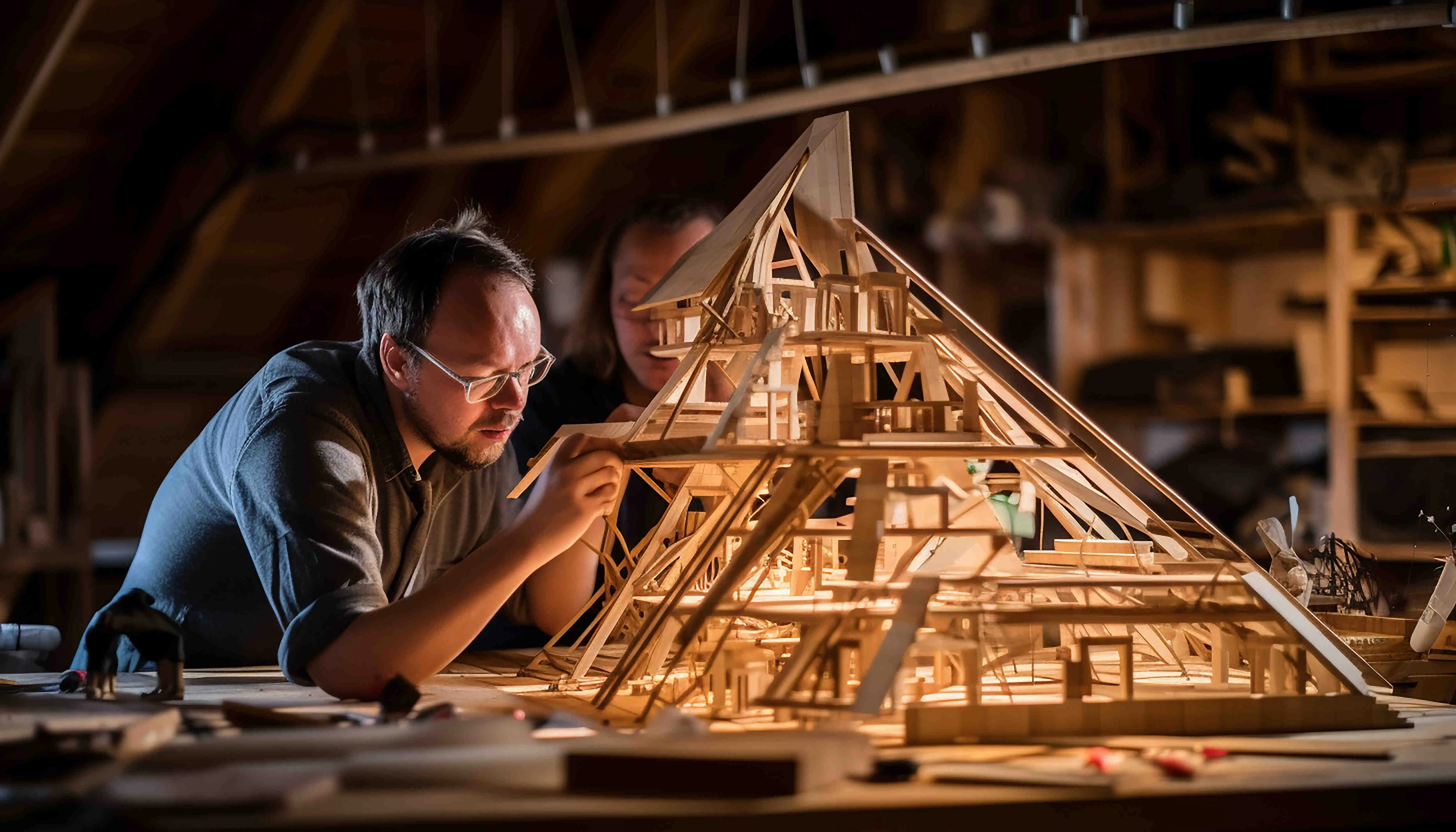
The world of carpentry is buzzing with innovations, trends, and transformative technologies. For carpenters, keeping up with these changes isn"t just about staying ahead in the game; it"s about ensuri...

In an era where technology weaves through every facet of our lives, the carpentry profession is no exception to its transformative power. Welcome to "Carpentry Chronicles," a blog series dedicated to ...

Welcome to "Carpentry Chronicles," a blog series dedicated to navigating the ever-evolving landscape of carpentry. In this edition, we dive into a trend reshaping the carpentry domain—customizat...

In the bustling world of carpentry, safety isn"t just a precaution; it"s a fundamental necessity. Welcome to "Carpentry Chronicles," a blog series committed to navigating the ever-evolving landscape o...

In carpentry, where wood meets creativity, mastery is not just a goal; it"s a journey. Welcome to "Carpentry Chronicles," a blog series that peels back the layers of carpentry to reveal the artistry a...
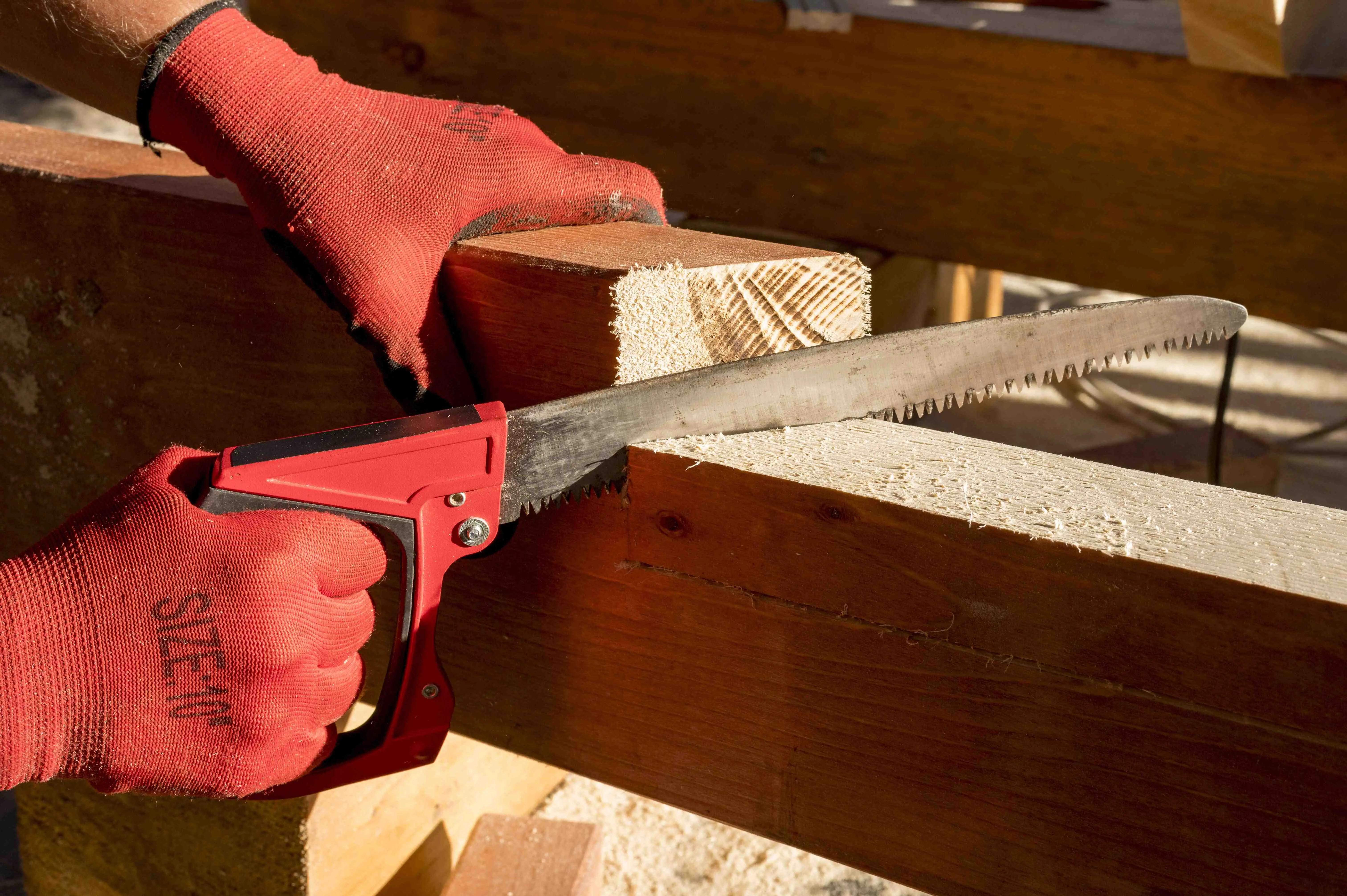
In the ever-evolving design landscape, where trends come and go, one element stands timeless—wood. Welcome to "Carpentry Chronicles," a blog series committed to navigating the dynamic world of c...
Sign up to start winning an unlimited amount of jobs near you.


 Electrician
Gas Engineer
Electrician
Gas Engineer


Send more enquiries and explore your options
Increasing the number of potentials leads for you!
Have more control and flexibility over your finances!