


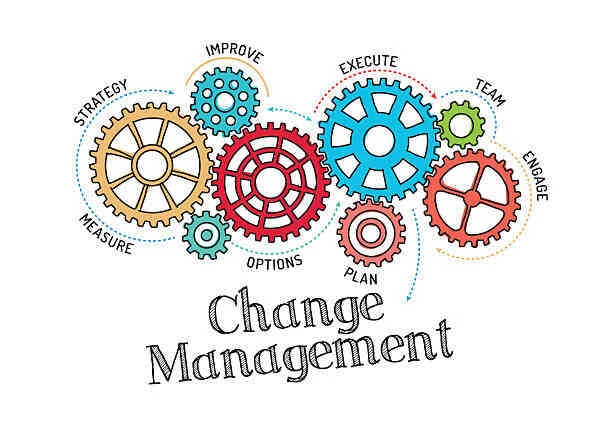
1. Adapting to Market Trends
The conservatory industry is not static; it experiences shifts in customer preferences and market trends. Effective change management allows your business to keep pace with these changes, enabling you to adjust your product offerings, designs, and features accordingly. By staying in tune with your target market, you can remain competitive and sought after by customers.
2. Leveraging Technological Advancements
As technology advances, so do the tools and systems that can improve the efficiency and quality of conservatory design and construction. Change management ensures that your business stays up-to-date with these technological advancements. It helps you integrate new technologies effectively, optimizing your processes and enhancing the value you provide to your customers.
3. Compliance and Regulations
The construction industry is subject to ever-changing regulations related to safety standards, environmental concerns, and building codes. Change management is the key to ensuring that your business remains compliant. By adapting your practices in response to regulatory changes, you can avoid legal issues and fines while maintaining a strong reputation.
4. Meeting Evolving Customer Expectations
Customer expectations evolve over time. To remain successful, you must adapt your offerings to align with these evolving needs and preferences. Change management can help your business consistently deliver on customer expectations, improving satisfaction and loyalty in the process.
5. Enhancing Operational Efficiency
Over time, business processes and operations can become outdated or inefficient. Effective change management enables you to identify areas for improvement. By streamlining operations and increasing efficiency, you can reduce costs and boost overall productivity.
6. Employee Morale and Engagement
Change often faces resistance, but with the right change management strategies, you can minimize pushback and maintain a positive workplace culture. Engage employees in the process, helping them understand the reasons for change and their roles within it. This not only keeps morale high but also ensures a smoother transition.
7. Risk Mitigation
Change introduces uncertainty, and unmanaged change can lead to risks such as project delays, cost overruns, and customer dissatisfaction. Change management helps identify and mitigate potential risks, ensuring smoother transitions and safeguarding your business"s reputation.
8. Gaining a Competitive Advantage
By embracing change and adapting faster than competitors, your conservatory business can gain a competitive edge. This can lead to increased market share and profitability, as customers are naturally drawn to companies that are forward-thinking and adaptive.
9. Fostering Innovation
Change management fosters a culture of innovation within your company. When employees are encouraged to suggest and implement improvements, your business can experience innovation in areas like product features, design, and customer experience. This not only keeps you relevant but can also make you a trendsetter in the industry.
10. Ensuring Long-Term Viability
Conservatory businesses that resist change and fail to adapt may risk becoming obsolete over time. To ensure the long-term viability and sustainability of your business, effective change management is a must. It"s the key to thriving in an ever-changing business landscape.
In conclusion, change management is not just a best practice; it"s a fundamental strategy for success in the conservatory business. Embracing change allows your business to adapt, innovate, and thrive in an ever-changing industry. So, don"t fear change; embrace it, and watch your conservatory business flourish in the face of evolving challenges and opportunities.

In the dynamic world of architecture, where creativity meets functionality, architects often find themselves at the intersection of artistic vision and practical necessity. Yet, in this complex dance ...

In the world of architecture, the delicate dance between creativity and budget constraints is a constant challenge. Clients often come with grand design visions, while architects must ensure that thes...

In the dynamic and highly competitive world of architecture, successful marketing strategies are essential to stand out in the crowd, attract potential clients, and grow architectural businesses. From...

Sustainable architecture stands at the forefront of modern building design, championing environmental responsibility, resource efficiency, and a harmonious coexistence with nature. In a world facing p...

Negotiating contracts and agreements between architects and clients is a crucial aspect of any architectural project. These documents outline the scope of work, responsibilities, and expectations, set...
In the fast-paced world of architecture, effective project management is essential for delivering successful projects on time and within budget. With the increasing complexity of architectural...
Sign up to start winning an unlimited amount of jobs near you.


 Electrician
Gas Engineer
Electrician
Gas Engineer


Send more enquiries and explore your options
Increasing the number of potentials leads for you!
Have more control and flexibility over your finances!