


1. Safety First:
The primary concern when upgrading electrical systems in historic buildings is safety. Old wiring and outdated electrical components can pose serious fire hazards. Electricians must carefully assess the existing electrical infrastructure to identify potential risks and areas in need of immediate improvement.
2. Preserving Aesthetics:
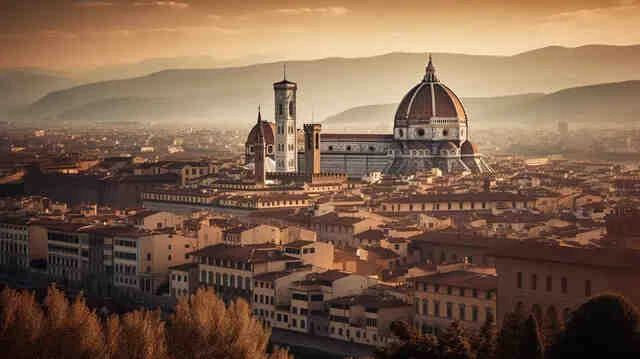
One of the key challenges is preserving the architectural and historical integrity of the building. Electricians must find ways to discreetly install modern electrical systems without compromising the building"s original design. This often involves concealing wiring and carefully selecting fixtures that complement the historic style.
3. Code Compliance:
Upgrading electrical systems in historic buildings requires compliance with modern building codes and safety standards. This can involve significant modifications to the existing infrastructure to meet current electrical code requirements. Electricians must navigate complex code compliance issues while preserving the building"s character.
4. Custom Solutions:
Each historic building is unique, and electrical upgrades often require custom solutions. Electricians may need to design bespoke electrical systems that accommodate the building"s layout and special requirements. This could include custom lighting designs, hidden wiring, and specialized outlets.
5. Energy Efficiency:
Modern electrical systems prioritize energy efficiency, which is essential for reducing environmental impact and operating costs. Electricians working on historic buildings may need to integrate energy-efficient lighting, HVAC systems, and insulation while maintaining the building"s appearance.
6. Concealed Wiring:
Concealing wiring in historic buildings is an art in itself. Electricians use creative techniques to hide wires within walls, ceilings, and other architectural elements. This ensures that electrical systems remain hidden from view and do not disrupt the building"s aesthetics.
7. Preservation of Historical Features:
Electricians must take special care when working near historical features like ornate plasterwork, woodwork, or decorative ceilings. Preservation efforts often involve working with restoration specialists to protect and restore these elements during the electrical upgrade process.
8. Future-Proofing:
When upgrading electrical systems in historic buildings, it"s essential to future-proof the infrastructure. This means installing wiring and systems that can accommodate future technological advancements without requiring significant alterations to the building"s structure.
9. Consultation with Preservationists:
Collaboration with preservationists and local historical societies is crucial. These experts can provide guidance on preserving the building"s historical significance while ensuring safety and functionality improvements.
10. Minimal Disruption:
Minimizing disruption to the building"s occupants and activities is a priority. Electricians often work in phases to reduce downtime and inconvenience, allowing the building to remain operational during the upgrade process.
Conclusion:
Electrical transformations in historic buildings require a delicate balance between modernization and preservation. With skilled electricians, careful planning, and a deep understanding of historical preservation principles, it"s possible to upgrade electrical systems in these buildings while respecting their heritage and ensuring they continue to stand as living testaments to the past.
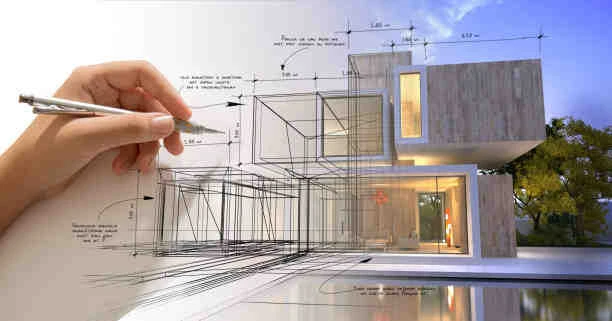
In a world often cluttered with complexity, modern minimalism in architecture stands as a testament to the beauty of simplicity. This design philosophy strips away excess ornamentation and embraces cl...

Throughout history, mankind has expressed its creativity and ambition through the construction of iconic architectural landmarks. These structures not only captivate us with their breathtaking designs...
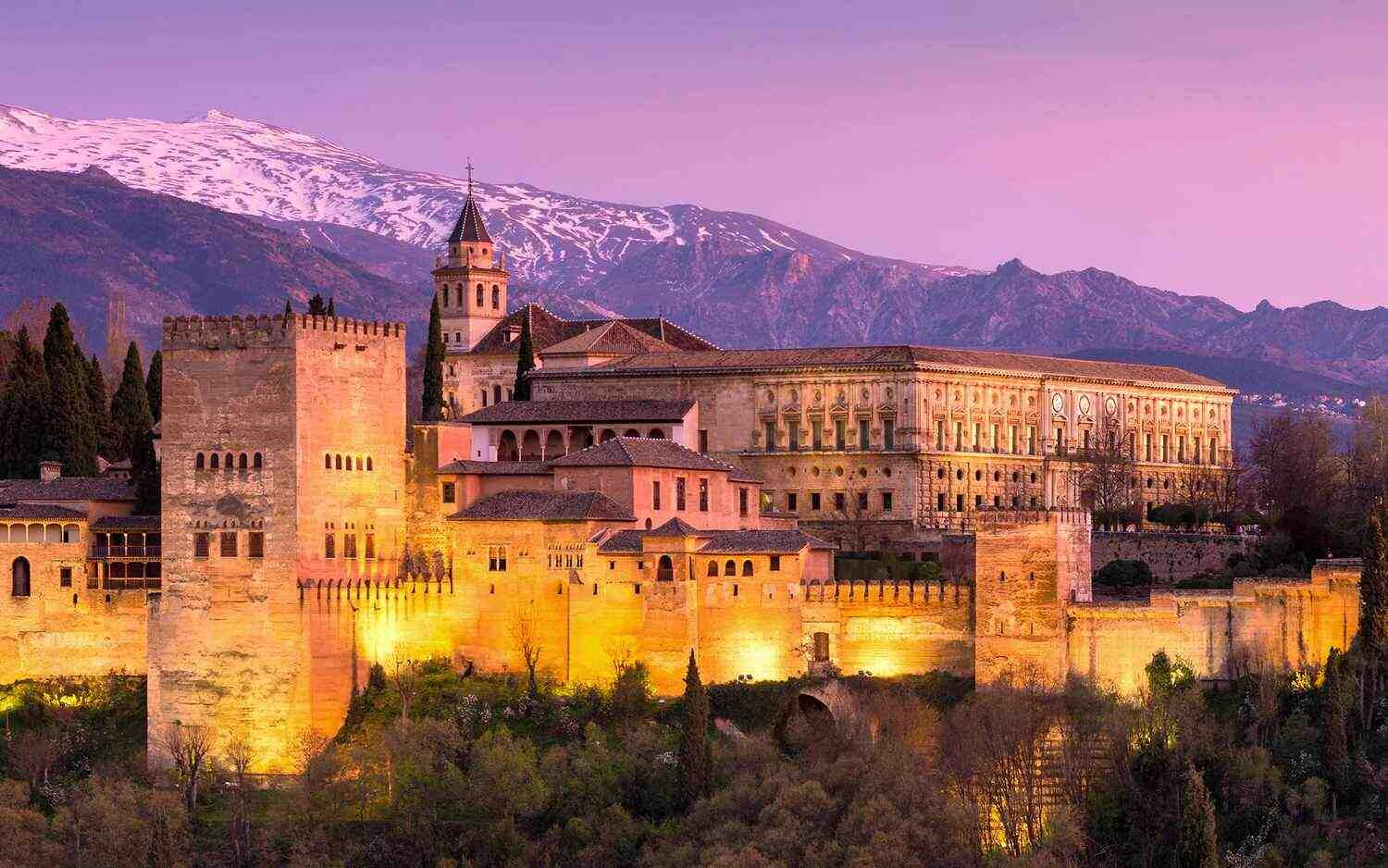
Symmetry and balance in architectural design are principles that have been appreciated for centuries. These elements create a sense of harmony, order, and visual appeal in buildings and structures. Sy...
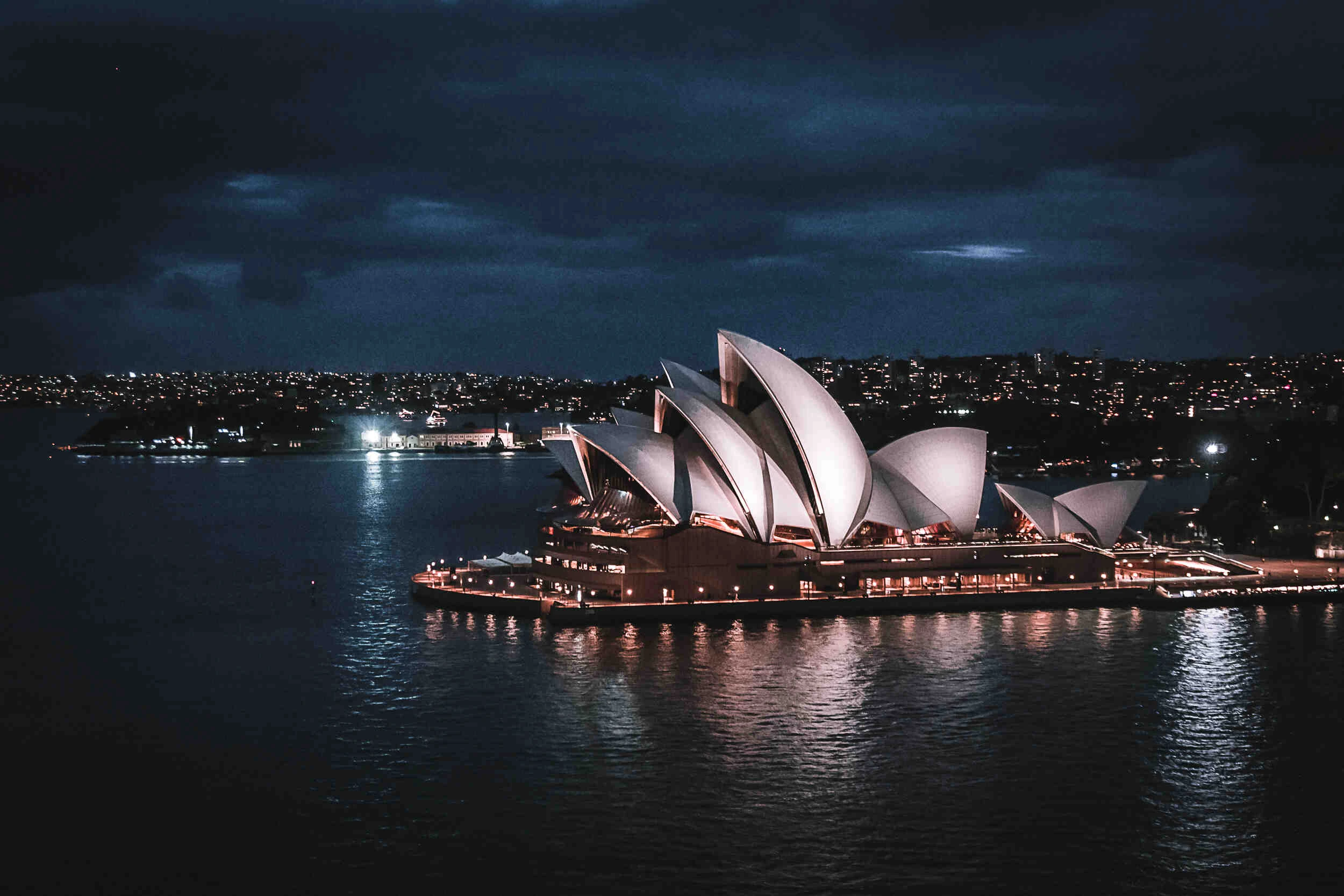
As the sun dips below the horizon, architectural wonders across the globe come to life, basking in the radiance of carefully designed illumination. Creative lighting design possesses the remarkable ab...
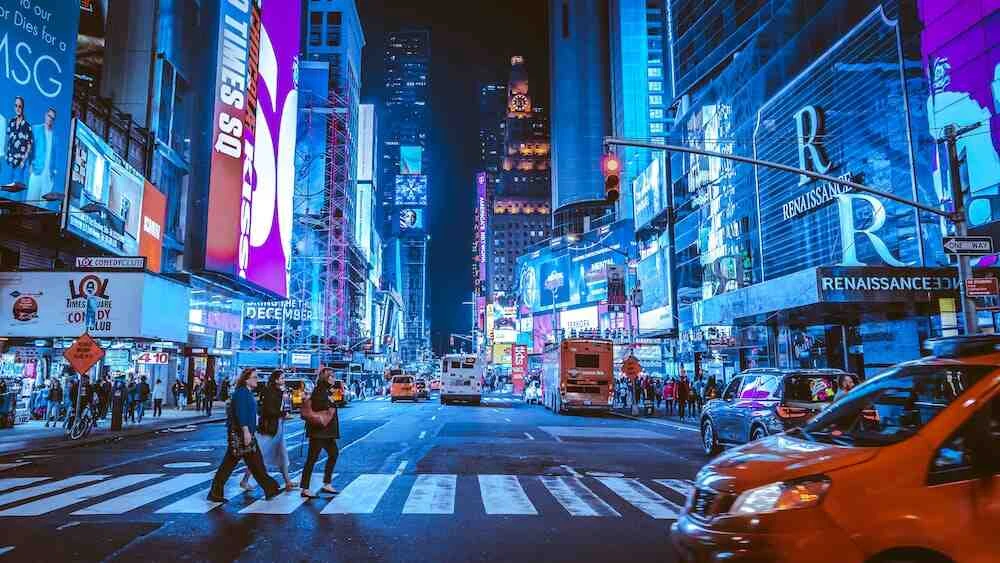
Architecture has a profound impact on our daily lives, shaping the way we interact with our surroundings and with one another. In recent years, a shift towards community-centric architecture has been ...
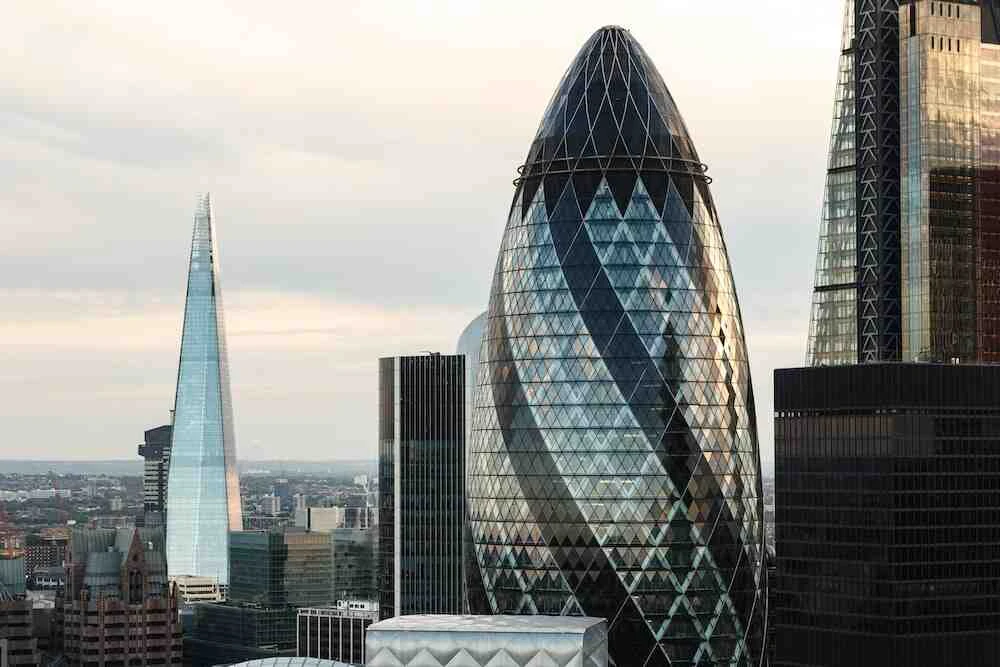
In the ever-evolving world of architecture, the materials we use play a pivotal role in shaping the built environment. Over the years, architects and designers have pushed the boundaries of convention...
Sign up to start winning an unlimited amount of jobs near you.


 Electrician
Gas Engineer
Electrician
Gas Engineer


Send more enquiries and explore your options
Increasing the number of potentials leads for you!
Have more control and flexibility over your finances!