


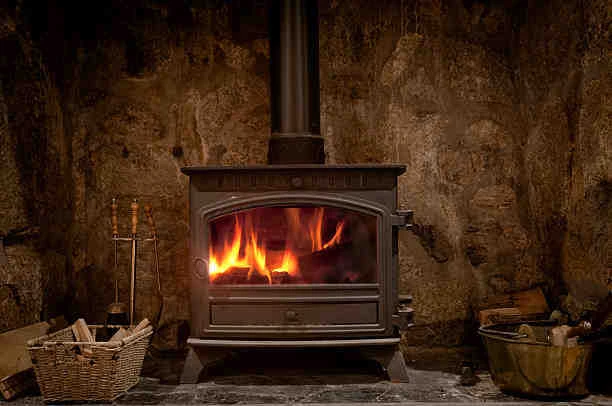
Choosing the Right Location
Selecting the ideal location for your wood-burning stove is the first crucial step in ensuring its efficiency. The placement of the stove can greatly affect how heat is distributed throughout your home. Consider the following factors:
a. Proximity to an Exterior Wall: Installing the stove on an exterior wall is recommended, as it simplifies the venting process and minimizes heat loss through the chimney.
b. Room Layout: Opt for a central location within your home to ensure that the heat radiates evenly throughout the space.
c. Safety: Keep the stove away from flammable materials, and follow the manufacturer"s guidelines for clearance distances from walls, furniture, and other objects.
Quality of Insulation
Efficient insulation is key to maintaining a comfortable and warm environment in your home. Insulating your space properly can reduce the load on your wood-burning stove and help you maximize its efficiency. Here"s what to consider:
a. Chimney Insulation: Invest in a well-insulated chimney to prevent heat loss and ensure a steady draft.
b. Room Insulation: Make sure your walls and ceilings are adequately insulated to retain heat and reduce the need for constant stoking of the stove.
c. Door Seals: Check the seals on doors and windows to prevent drafts and heat escape.
Professional Installation
While some may be tempted to install a wood-burning stove on their own, it"s highly recommended to hire a professional. A certified technician can ensure that the stove is installed correctly, meets local building codes, and adheres to safety standards. Professional installation guarantees:
a. Proper venting: A certified installer will know how to install the venting system correctly, minimizing the risk of carbon monoxide leaks.
b. Compliance with regulations: Different regions have specific codes and regulations for wood-burning stove installations. A professional ensures your installation meets these requirements.
c. Enhanced efficiency: Experts will ensure your stove operates at its maximum efficiency, reducing fuel consumption and environmental impact.
Flue and Chimney Installation
The flue and chimney are essential components of your wood-burning stove"s efficiency. The right flue and chimney system can help you optimize the performance of your stove:
a. Double-Wall Insulated Chimneys: These chimneys retain heat, maintain a strong draft, and reduce creosote buildup, enhancing safety and efficiency.
b. Regular Cleaning: Schedule annual chimney cleaning to remove creosote buildup and ensure proper airflow.
c. Chimney Height: Ensure your chimney extends at least 2 feet above your roofline and is higher than any nearby obstacles to maintain a strong draft.
Proper Sizing
Choosing the right size of wood-burning stove is vital for efficient heating. An oversized stove will overheat your space and lead to wasteful fuel consumption, while an undersized one won"t provide enough warmth. Follow these guidelines:
a. Calculate Heating Needs: Determine the square footage of the area you want to heat and choose a stove with an appropriate heat output.
b. Consult a Professional: Seek advice from a certified technician or retailer to ensure you select the right-sized stove for your home.
c. Burn Cleanly: A well-sized stove will burn wood cleanly and efficiently, emitting fewer pollutants and protecting the environment.
Fuel Quality and Preparation
The type of wood you burn and how you prepare it can significantly impact your stove"s efficiency:
a. Seasoned Wood: Burn seasoned hardwood, which has been dried for at least six months. This wood burns hotter and produces less creosote.
b. Proper Storage: Store your firewood in a dry, covered area to prevent moisture absorption, which reduces the wood"s efficiency.
c. Correct Sizing: Cut your firewood into appropriately sized pieces to fit your stove"s firebox.
Use a Catalytic Converter
Modern wood-burning stoves often come equipped with catalytic converters. These devices help maximize efficiency and reduce emissions by promoting more complete combustion. While they add to the initial cost, they can save you money in the long run by reducing fuel consumption.
Regular Maintenance
Keeping your wood-burning stove in top shape is essential for long-term efficiency and safety:
a. Cleaning: Regularly clean the stove, flue, and chimney to remove creosote buildup and obstructions.
b. Inspections: Have your stove inspected annually by a professional to catch any issues before they become major problems.
c. Replace Gaskets: If the stove door gaskets are damaged or deteriorating, replace them to ensure a proper seal.
Conclusion
Efficient wood-burning stove installation techniques not only keep your home warm and cozy during the winter but also help protect the environment and save you money. Choosing the right location, ensuring proper insulation, and hiring a professional for installation are just the beginning. Maintaining the stove, selecting the right fuel, and using modern technologies like catalytic converters will make a significant difference in efficiency and cost-effectiveness. So, as the temperature drops, make sure your wood-burning stove is ready to master the flames efficiently.

Introduction: In carpentry, time is money, and workflow is the pulse that keeps the business alive. Yet, many carpenters need help with a disjointed workflow, stifling efficiency and sapping the joy o...
.webp)
Introduction: Carpentry more than just a trade, is an art form. The journey to mastery involves constantly honing one"s skills, a voyage where every chisel stroke and nail-driven shapes not just ...

In the world of woodworking, every piece of timber tells a story - a tale of craftsmanship, dedication, and wisdom. For aspiring woodworkers and seasoned artisans alike, this blog is a collection of T...

In the world of woodworking, every piece crafted is a note in the symphony of a carpenter"s career. Yet, to compose a melodious tune, one must prioritize the conductor - their health and longevity. Th...
In carpentry, precision isn"t just about chiselling wood; it"s about chiselling a successful business. Financial stability and growth are the building blocks of a carpentry enterprise. Welcome to "Cra...

In the world of woodworking, creating something beautiful is not just an art—it"s a responsibility. A responsibility towards the craft, the client, and most importantly, the safety and well-bein...
Sign up to start winning an unlimited amount of jobs near you.


 Electrician
Gas Engineer
Electrician
Gas Engineer


Send more enquiries and explore your options
Increasing the number of potentials leads for you!
Have more control and flexibility over your finances!