



1. **Project Management Software**
Project management software is an indispensable tool for paving installers. It enables better organization, tracking, and communication throughout the project lifecycle. Key features of project management software include:
- **Task and schedule management**: Track project progress, deadlines, and assign tasks to team members.
- **Resource allocation**: Efficiently allocate resources like labor, equipment, and materials.
- **Budgeting and cost control**: Monitor project expenses, analyze budgets, and forecast costs.
- **Collaboration tools**: Facilitate communication and collaboration among team members, clients, and stakeholders.
2. **CAD and 3D Design Software**
CAD (Computer-Aided Design) and 3D design software allow paving installers to create detailed and accurate designs, including site layouts, drainage plans, and pavement designs. These tools provide the following benefits:
- **Visualization**: Generate realistic 3D models of the project to help clients understand the design.
- **Error prevention**: Identify potential issues before construction begins, reducing costly mistakes.
- **Data export**: Easily share design files with other software and team members for seamless project execution.
3. **Estimating Software**
Estimating software simplifies the process of calculating project costs and preparing accurate bids. Key features of estimating software include:
- **Cost databases**: Access comprehensive databases of materials and labor costs.
- **Automatic calculations**: Quickly generate estimates based on project specifications.
- **Digital takeoff tools**: Measure quantities and lengths directly from digital blueprints or drawings.
- **Proposal generation**: Create professional and customizable proposals to present to clients.
4. **Drone Technology**
Drones have become valuable tools for paving installers in surveying, site analysis, and project progress monitoring. Drones provide the following advantages:
- **Aerial surveying**: Collect high-resolution images and 3D maps of the project site.
- **Site analysis**: Assess site conditions, topography, and drainage patterns.
- **Progress tracking**: Monitor construction progress and identify areas that may require adjustments.
5. **Mobile Apps**
Mobile apps are essential for on-site management and real-time communication. Paving installers can benefit from various mobile apps for tasks such as:
- **Time tracking**: Record employee work hours and track equipment usage.
- **Site documentation**: Capture and share photos, videos, and notes.
- **GPS and navigation**: Find project locations, assess traffic conditions, and optimize routes.
6. **GIS (Geographic Information System) Software**
GIS software allows paving installers to analyze and visualize geographic data. Key applications include:
- **Site selection**: Identify ideal project locations based on geographic and environmental factors.
- **Spatial analysis**: Assess terrain, drainage, and geological conditions.
- **Environmental impact assessment**: Analyze potential environmental consequences and regulatory compliance.
Conclusion
Digital tools and software have revolutionized the paving industry, offering efficiency, accuracy, and improved communication. Paving installers who adopt these technologies can benefit from streamlined project management, precise design capabilities, accurate estimating, and advanced site analysis. As the industry continues to embrace digital innovation, paving installers will be better equipped to meet the evolving demands of clients and remain competitive in the market.

The world of carpentry is buzzing with innovations, trends, and transformative technologies. For carpenters, keeping up with these changes isn"t just about staying ahead in the game; it"s about ensuri...

In an era where technology weaves through every facet of our lives, the carpentry profession is no exception to its transformative power. Welcome to "Carpentry Chronicles," a blog series dedicated to ...

Welcome to "Carpentry Chronicles," a blog series dedicated to navigating the ever-evolving landscape of carpentry. In this edition, we dive into a trend reshaping the carpentry domain—customizat...

In the bustling world of carpentry, safety isn"t just a precaution; it"s a fundamental necessity. Welcome to "Carpentry Chronicles," a blog series committed to navigating the ever-evolving landscape o...

In carpentry, where wood meets creativity, mastery is not just a goal; it"s a journey. Welcome to "Carpentry Chronicles," a blog series that peels back the layers of carpentry to reveal the artistry a...
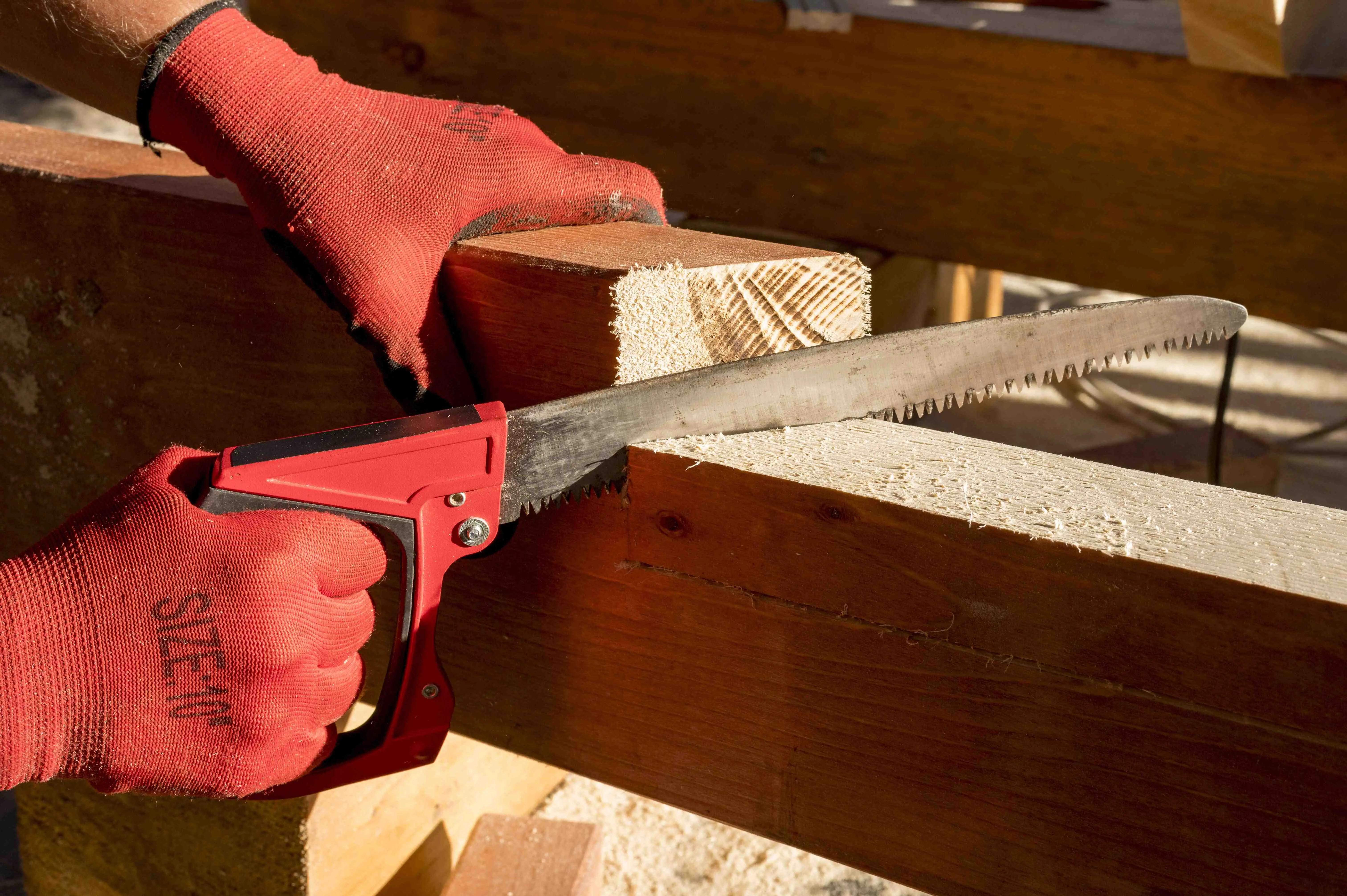
In the ever-evolving design landscape, where trends come and go, one element stands timeless—wood. Welcome to "Carpentry Chronicles," a blog series committed to navigating the dynamic world of c...
Sign up to start winning an unlimited amount of jobs near you.


 Electrician
Gas Engineer
Electrician
Gas Engineer


Send more enquiries and explore your options
Increasing the number of potentials leads for you!
Have more control and flexibility over your finances!