


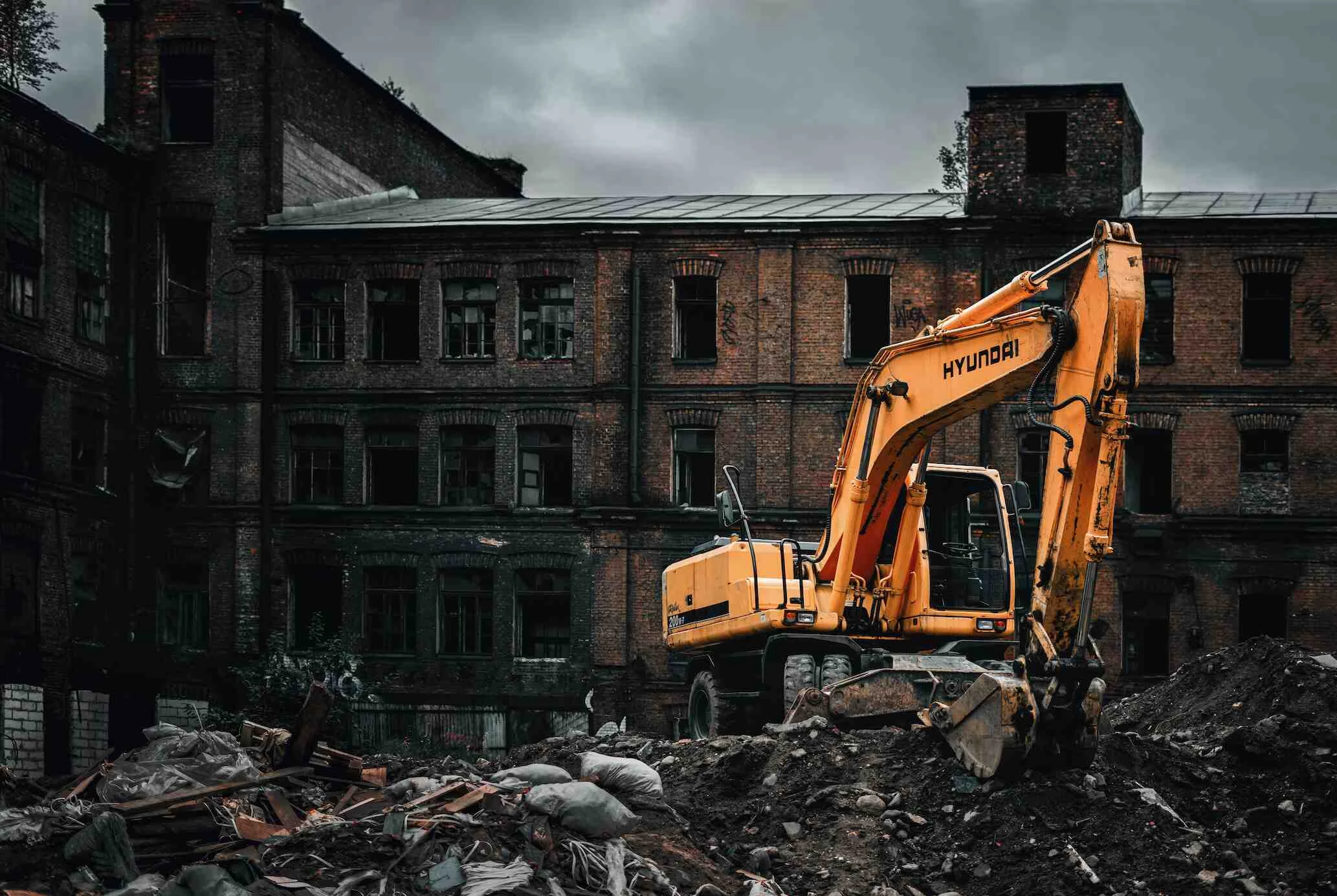
1. Conduct a Comprehensive Site Assessment
Before embarking on any demolition project, it"s crucial to conduct a comprehensive site assessment. This evaluation will provide critical information that will inform your demolition plan. Some key aspects to consider include:
Building Structure and Materials
Determine the construction materials used in the building. This information will help you select the appropriate demolition techniques and equipment.
Environmental Concerns
Identify any potential environmental hazards, such as asbestos, lead-based paint, or other toxic materials. Proper handling of these substances is essential to protect both workers and the environment.
Utility Disconnect
Contact local utility companies to disconnect gas, water, electricity, and other services. Failing to do so can lead to accidents and delays.
Nearby Structures
Consider the proximity of nearby structures and infrastructure. You must plan your demolition to prevent damage to neighboring buildings, roads, or utilities.
2. Obtain Necessary Permits
Demolition is heavily regulated, and obtaining the required permits is a crucial step in the site preparation process. Check with your local authorities to determine the specific permits you need. These may include:
Demolition Permit
Typically issued by your city or county, this permit grants you the legal authority to proceed with the demolition.
Environmental Permits
If your site assessment revealed the presence of hazardous materials, you may need additional permits to manage and dispose of these substances safely.
Noise and Dust Control Permits
Demolition sites often generate excessive noise and dust. To comply with local regulations, you may need permits to control these emissions.
3. Develop a Safety Plan
Safety should be the top priority on any demolition site. Developing a comprehensive safety plan is essential. Key components of this plan include:
Protective Gear
Ensure that all workers have the necessary personal protective equipment (PPE) for the job. This may include hard hats, safety glasses, respirators, and more.
Emergency Response
Establish clear protocols for responding to emergencies, including fire, medical incidents, or hazardous material spills.
Training
Ensure that all workers are properly trained in demolition safety procedures and emergency response.
Secure the Site
Implement security measures to prevent unauthorized access to the site, reducing the risk of accidents and injuries.
4. Asbestos and Hazardous Material Abatement
If your site assessment identified the presence of asbestos or other hazardous materials, it"s essential to address these before beginning demolition. Asbestos abatement and hazardous material removal require specialized knowledge and equipment. Hiring professionals to handle this part of the project is typically the best course of action.
5. Salvage Valuable Materials
Before swinging the wrecking ball, consider salvaging valuable materials and components. This practice is not only environmentally friendly but can also provide cost savings. Items like steel, copper, and architectural features can be sold or repurposed.
6. Clear the Site
Clearing the site involves removing all obstructions and preparing it for the demolition equipment. This step includes:
Vegetation Removal
Clearing trees, bushes, and other vegetation from the demolition area.
Debris Removal
Dispose of any debris or waste materials that may hinder the demolition process.
Temporary Fencing
Install temporary fencing to secure the perimeter and prevent unauthorized access.
7. Consider Recycling and Waste Management
Proper waste disposal is a vital aspect of site preparation. Demolition generates a significant amount of debris, and environmentally responsible waste management is essential. Consider recycling materials where possible to reduce landfill waste. Separating materials like concrete, wood, and metals can be beneficial both environmentally and economically.
8. Select Appropriate Demolition Methods
Once the site is fully prepared, it"s time to choose the most suitable demolition methods. The choice of technique will depend on factors such as the building"s size, location, and the presence of nearby structures. Common demolition methods include:
Implosion
Used for tall buildings in urban areas, implosion involves strategically placing explosives to collapse the structure into its footprint.
Wrecking Ball
A wrecking ball, typically made of steel, is swung into the structure to break it apart.
High-Reach Excavators
High-reach excavators with specialized attachments are used to demolish buildings from top to bottom.
Selective Demolition
This method involves taking down specific components of a structure while leaving other parts intact. It"s commonly used in renovation projects.
9. Environmental Stewardship
Throughout the demolition process, prioritize environmental stewardship. Minimize dust, noise, and emissions by using modern equipment and best practices. Properly manage any hazardous materials encountered during demolition, and ensure waste materials are disposed of in compliance with local regulations.
10. Continuous Monitoring
Site preparation doesn"t end once the demolition begins. Continuous monitoring is essential to ensure the project progresses safely and efficiently. Regular safety inspections, environmental checks, and quality control are crucial to a successful demolition project.
In conclusion, demolition site preparation is a critical phase in any construction project, requiring careful planning and execution. By conducting a thorough site assessment, obtaining necessary permits, prioritizing safety, addressing hazardous materials, and implementing proper waste management, you can set the stage for a successful and environmentally responsible demolition. With these best practices in mind, you"ll be well-prepared to tackle your demolition project with confidence and efficiency. Remember, a well-prepared site is the foundation of a successful demolition.
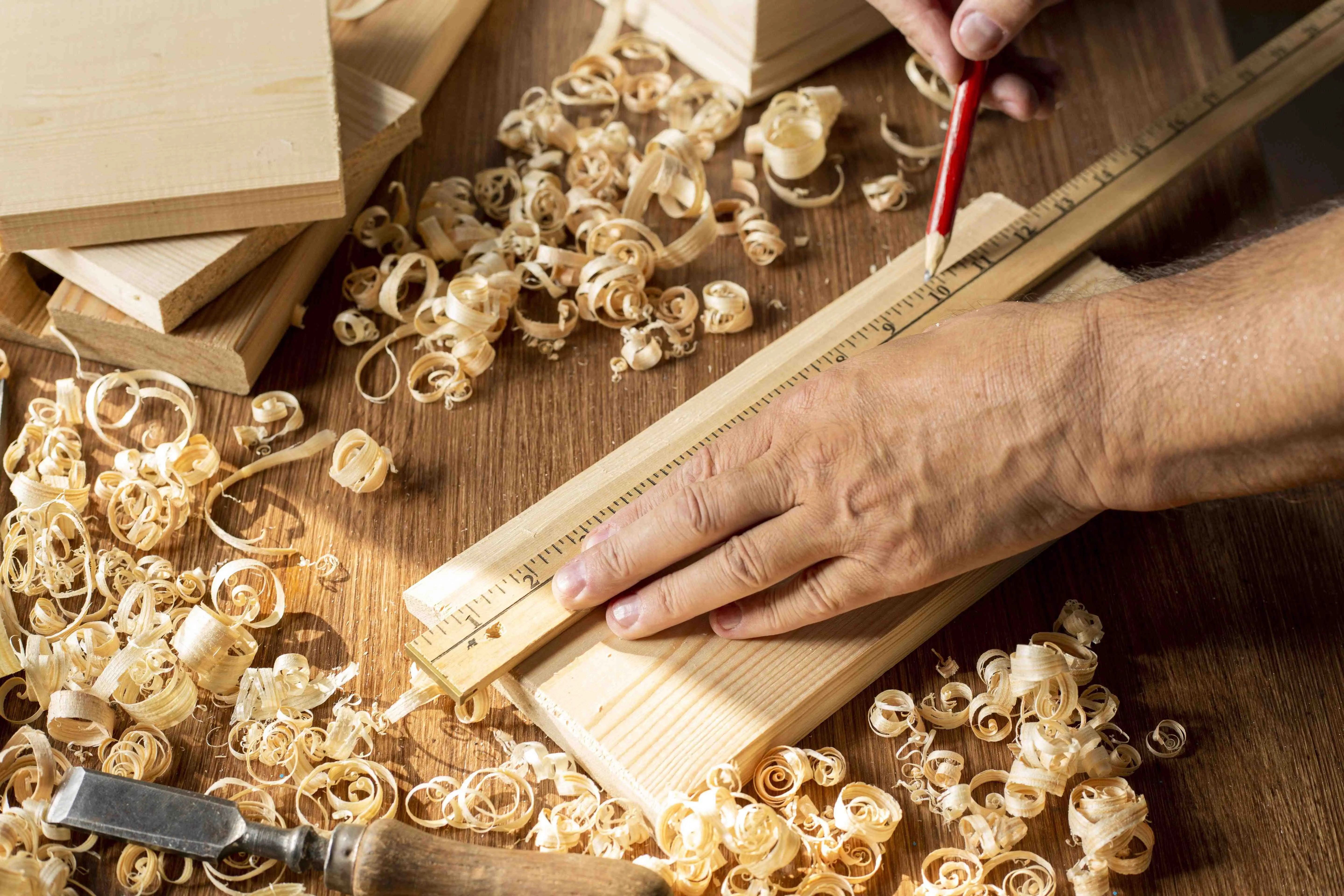
Introduction: In carpentry, time is money, and workflow is the pulse that keeps the business alive. Yet, many carpenters need help with a disjointed workflow, stifling efficiency and sapping the joy o...
.webp)
Introduction: Carpentry more than just a trade, is an art form. The journey to mastery involves constantly honing one"s skills, a voyage where every chisel stroke and nail-driven shapes not just ...
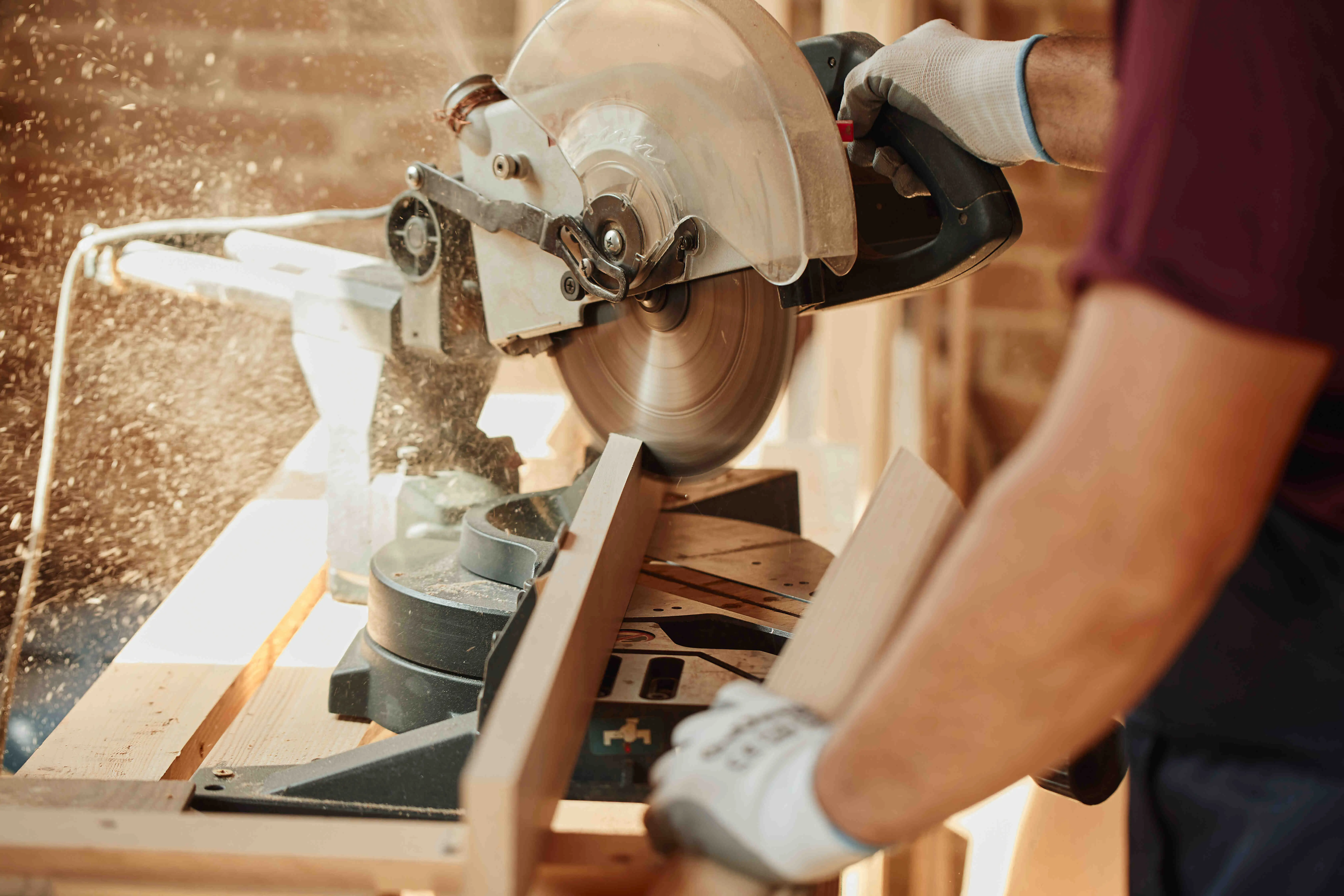
In the world of woodworking, every piece of timber tells a story - a tale of craftsmanship, dedication, and wisdom. For aspiring woodworkers and seasoned artisans alike, this blog is a collection of T...

In the world of woodworking, every piece crafted is a note in the symphony of a carpenter"s career. Yet, to compose a melodious tune, one must prioritize the conductor - their health and longevity. Th...
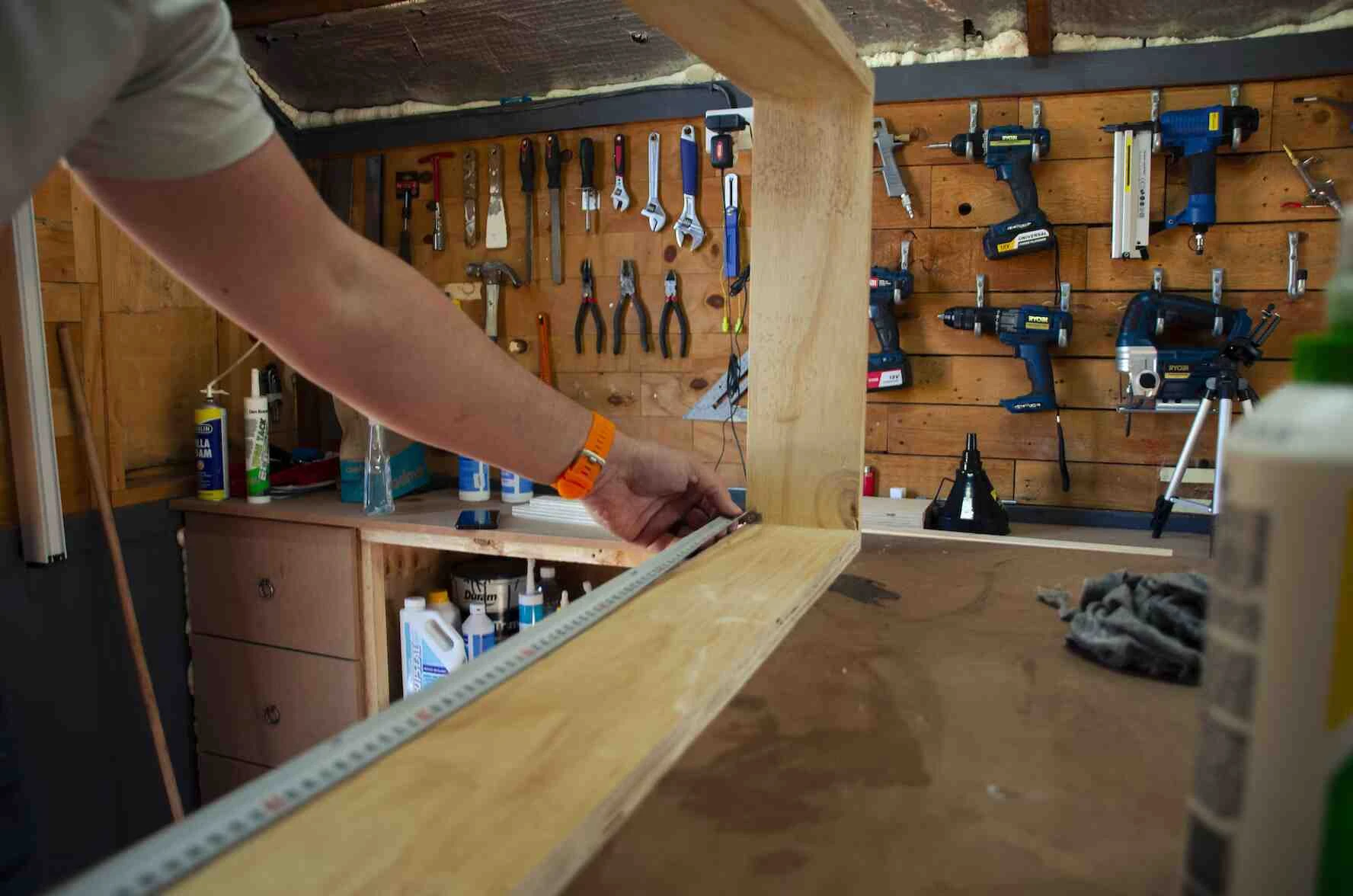
In carpentry, precision isn"t just about chiselling wood; it"s about chiselling a successful business. Financial stability and growth are the building blocks of a carpentry enterprise. Welcome to "Cra...

In the world of woodworking, creating something beautiful is not just an art—it"s a responsibility. A responsibility towards the craft, the client, and most importantly, the safety and well-bein...
Sign up to start winning an unlimited amount of jobs near you.


 Electrician
Gas Engineer
Electrician
Gas Engineer


Send more enquiries and explore your options
Increasing the number of potentials leads for you!
Have more control and flexibility over your finances!