


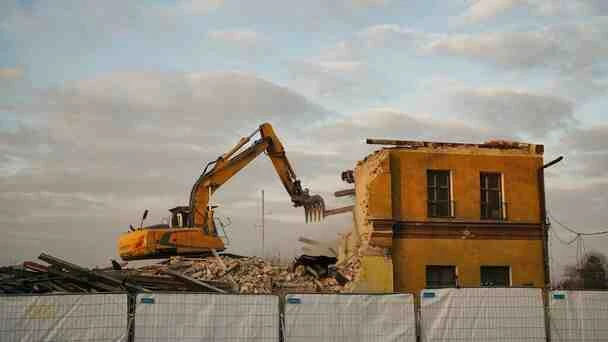
The Importance of Demolition Safety Equipment
Before we delve into the specific tools and gear that make up demolition safety equipment, let"s understand why this gear is crucial in the first place. Demolition, though necessary, is a high-risk activity. The potential dangers range from falling debris and unstable structures to exposure to hazardous materials like asbestos and lead.
Without the right safety equipment, workers and the public face substantial risks. Proper demolition safety equipment can prevent accidents, protect workers from injury, and minimize environmental and structural damage. It"s a combination of technology, gear, and protocols that make demolitions safer and more controlled.
Essential Demolition Safety Equipment
1. Hard Hats
Hard hats are the most fundamental piece of safety equipment for anyone working in construction, including demolition. They protect the head from falling debris and are a non-negotiable safety essential.
2. Safety Glasses and Goggles
The eyes are among the most vulnerable areas during a demolition. Flying debris, dust, and sparks are all potential hazards. Safety glasses and goggles offer protection from these risks.
3. Respiratory Protection
Demolition sites can be laden with dust, smoke, and hazardous particles, such as asbestos and lead. Proper respiratory protection, like masks or respirators, is vital for the health and well-being of workers.
4. Ear Protection
The noise generated by heavy machinery and the chaos of demolition can lead to long-term hearing damage. Ear protection in the form of earmuffs or earplugs is crucial.
5. High Visibility Clothing
Visibility is key on a busy construction site. High-visibility vests and clothing make workers easily identifiable, reducing the risk of accidents.
6. Footwear
Sturdy, slip-resistant footwear is essential to protect against falling objects and hazardous materials.
7. Protective Gloves
Protective gloves, designed for various purposes, safeguard workers" hands from cuts, punctures, and exposure to harmful substances.
8. Fall Protection Gear
Workers on elevated surfaces or using heavy machinery need fall protection equipment like harnesses and lanyards.
9. Demolition Suits
These specialized suits provide protection against dust and hazardous materials, ensuring workers remain safe and clean during demolition.
10. Safety Netting and Screens
Safety netting and screens are used to prevent debris from falling onto lower levels or nearby structures.
Specialized Demolition Safety Equipment
Apart from the basics, there is a range of specialized demolition safety equipment that plays a crucial role in specific scenarios.
1. Dust Suppression Systems
Demolition often generates a massive amount of dust. Dust suppression systems, including water spraying or chemical solutions, help reduce airborne dust, protecting both workers and the environment.
2. Demolition Robots
These remote-controlled robots are equipped with tools like hydraulic breakers and crushers. They allow for precise demolition without exposing workers to direct danger.
3. Asbestos Removal Gear
In older structures, asbestos is a common hazardous material. Specialized suits, masks, and equipment are used to safely remove and dispose of asbestos.
4. Lead Abatement Equipment
When lead-based paints or materials are present, specialized equipment is required to safely remove and dispose of these hazardous substances.
Cutting-Edge Safety Technology
Technology has also made significant strides in enhancing demolition safety. Here are a few cutting-edge tools and innovations:
1. Wearable Technology
Wearable devices can monitor a worker"s vital signs, detecting signs of fatigue or distress, and sending alerts in real-time.
2. Drone Surveillance
Drones equipped with cameras provide real-time monitoring of demolition sites. They can identify potential hazards and keep workers informed and safe.
3. Building Information Modeling (BIM)
BIM technology creates a 3D model of the structure to be demolished. This allows for better planning, precise execution, and reduces the risk of accidents.
4. Simulations and Training Programs
Demolition training programs use virtual reality simulations to prepare workers for real-world scenarios, ensuring they know how to handle potential risks.
The Role of Regulations and Training
In addition to having the right demolition safety equipment, strict regulations and proper training are essential. Regulatory bodies like OSHA (Occupational Safety and Health Administration) have established guidelines to ensure the safety of workers in the construction and demolition industry. Compliance with these regulations is mandatory.
Additionally, workers must be adequately trained in the safe operation of equipment, the proper use of safety gear, and the recognition of potential hazards. Regular safety drills and ongoing education are essential to maintain a culture of safety on demolition sites.
Conclusion
Demolition safety equipment is a multifaceted aspect of construction that combines personal protective gear, specialized tools, and cutting-edge technology to ensure the well-being of workers and the safe execution of projects. The importance of this equipment cannot be overstated. It"s the backbone of demolition safety, protecting not only those directly involved but also the environment and nearby structures.
As technology continues to advance, the construction and demolition industry will likely see even more innovations in safety equipment and protocols. In the end, what works best in demolition safety equipment is a combination of the basics, specialized gear, and a commitment to training and compliance with regulations. When all these elements come together, we can carry out demolitions more efficiently, responsibly, and above all, safely.

In the era of climate change and environmental consciousness, sustainable building practices have gained immense importance. One of the critical aspects of sustainable construction is the selection of...

When it comes to making our homes and buildings more energy-efficient, insulation materials play a crucial role. They help regulate indoor temperatures, reduce energy consumption, and lower heating an...

Smart building technologies have revolutionized the way we design, construct, and manage buildings. These technologies leverage the power of the Internet of Things (IoT) to enhance building ef...

Selecting the right flooring material is a crucial decision when it comes to interior design and construction projects. Flooring not only impacts the aesthetics of a space but also affects its functio...

Windows and doors are more than just functional components of a building; they are key architectural elements that can dramatically impact a structure"s aesthetics, energy efficiency, and overall appe...

Innovative structural materials have been at the forefront of modern construction, pushing the boundaries of what is possible in terms of strength, sustainability, and design. As the construction indu...
Sign up to start winning an unlimited amount of jobs near you.


 Electrician
Gas Engineer
Electrician
Gas Engineer


Send more enquiries and explore your options
Increasing the number of potentials leads for you!
Have more control and flexibility over your finances!