

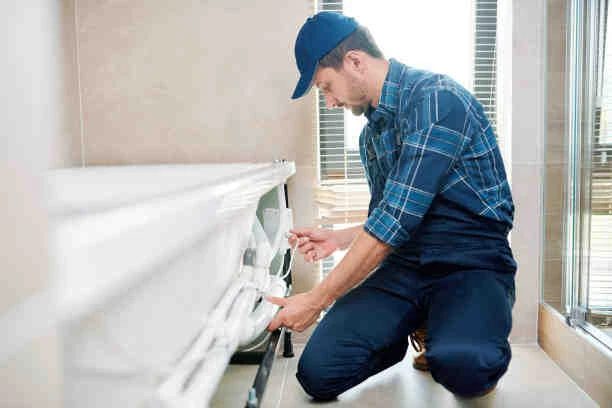
1. Dripping Faucets:
A dripping faucet not only wastes water but can also be annoying. In most cases, it’s caused by a worn-out or damaged washer. Here’s how to fix it:
- Turn off the water supply to the faucet.
- Remove the faucet handle using a screwdriver or Allen wrench.
- Replace the old washer with a new one.
- Reassemble the faucet and turn the water supply back on.
2. Running Toilet:
A running toilet can lead to higher water bills. The most common cause is a faulty flapper or float. To fix it:
- Open the toilet tank and check the flapper. If it’s damaged or deteriorated, replace it.
- Adjust the float to the correct water level. If it’s set too high, the tank will constantly fill.
- If these steps don’t work, consider calling a plumber to check for more complex issues like a faulty fill valve or damaged pipes.
3. Clogged Drains:
Clogged drains are a frequent bathroom woe, typically caused by a buildup of hair, soap scum, or foreign objects. You can clear most minor clogs with these steps:
- Use a plunger to create suction and dislodge the clog.
- Try a chemical drain cleaner, but use these sparingly and with caution.
- Use a drain snake or auger to manually remove the blockage.
- Prevent future clogs by installing drain strainers to catch debris.
4. Low Water Pressure:
Low water pressure can be frustrating when you’re trying to shower or wash your hands. Here’s how to address it:
- Check the aerator on your faucet or showerhead for mineral buildup. Clean or replace it if needed.
- Inspect the shut-off valves near the faucet or toilet. If they’re partially closed, open them fully.
- If low water pressure persists, there may be an issue with your plumbing system that requires professional help.
5. Leaky Pipes:
Leaky pipes can cause water damage and waste resources. To address a leaky pipe:
- Turn off the water supply to the affected area.
- Use a pipe wrench to tighten any loose connections or fittings.
- If the leak persists or is extensive, it’s best to call a plumber to assess the situation and make necessary repairs.
Conclusion:
Dealing with common bathroom plumbing issues can be manageable if you have the right tools and knowledge. However, for more complex problems or situations where you’re unsure, it’s wise to consult a professional plumber. Regular maintenance and prompt attention to issues can help you keep your bathroom plumbing in excellent working condition and prevent costly repairs in the long run.
Introduction: In carpentry, time is money, and workflow is the pulse that keeps the business alive. Yet, many carpenters need help with a disjointed workflow, stifling efficiency and sapping the joy o...
.webp)
Introduction: Carpentry more than just a trade, is an art form. The journey to mastery involves constantly honing one"s skills, a voyage where every chisel stroke and nail-driven shapes not just ...
In the world of woodworking, every piece of timber tells a story - a tale of craftsmanship, dedication, and wisdom. For aspiring woodworkers and seasoned artisans alike, this blog is a collection of T...
In the world of woodworking, every piece crafted is a note in the symphony of a carpenter"s career. Yet, to compose a melodious tune, one must prioritize the conductor - their health and longevity. Th...
In carpentry, precision isn"t just about chiselling wood; it"s about chiselling a successful business. Financial stability and growth are the building blocks of a carpentry enterprise. Welcome to "Cra...

In the world of woodworking, creating something beautiful is not just an art—it"s a responsibility. A responsibility towards the craft, the client, and most importantly, the safety and well-bein...
Sign up to start winning an unlimited amount of jobs near you.


 Electrician
Gas Engineer
Electrician
Gas Engineer


Send more enquiries and explore your options
Increasing the number of potentials leads for you!
Have more control and flexibility over your finances!