


1. The High Line, New York City
The High Line, a renowned elevated urban park in Manhattan, stands as a testament to the creative reuse of demolition materials. Originally an abandoned railway track, this green oasis now weaves its way through the city, offering breathtaking views and a tranquil escape from the bustling streets below. The railway"s steel and concrete structures were preserved and repurposed to construct walkways, benches, and garden beds, celebrating the industrial history of the site while transforming it into a place of community and nature.
2. The Phoenix Commotion, Texas
Dan Phillips, a self-proclaimed "garbage warrior," has dedicated his life to reusing demolition materials in residential construction. The Phoenix Commotion, a non-profit organization he founded, builds affordable, sustainable homes using salvaged materials like reclaimed wood, windows, and doors. Each house is a unique piece of art, showcasing how discarded materials can create functional, beautiful homes, reducing construction waste and the demand for new resources.
3. The RElab, France
In the heart of Paris, an innovative project called The RElab is redefining the way we think about demolition materials. This collaborative effort between architects, engineers, and designers focuses on upcycling building components from demolished structures. They collect materials like wooden beams, bricks, and glass, and use them to create new, modern designs that maintain a connection to the past. The RElab shows that preservation and progress can go hand in hand.
4. The Boneyard Project, Arizona
Sometimes, even aircraft can find a second life through creative reuse. The Pima Air & Space Museum in Tucson, Arizona, hosts an impressive exhibit known as The Boneyard Project. Artists have transformed retired military planes into canvases for their work, breathing new life into these metal behemoths. This project is a testament to how even the most unconventional materials can be repurposed to create something captivating and culturally significant.
5. The Silo District, South Africa
The Silo District in Cape Town is an inspiring example of transforming industrial relics into vibrant spaces. The district is home to the Zeitz Museum of Contemporary Art Africa (MOCAA), housed in a converted grain silo. The adaptive reuse of this towering structure, complete with its iconic glass windows, not only preserves a piece of the city"s history but also provides a world-class venue for contemporary art, celebrating South Africa"s rich cultural diversity.
6. The Container Cities, Various Locations
Shipping containers are becoming increasingly popular for their versatility in construction. From affordable housing to office spaces and shopping districts, architects and builders are repurposing these steel giants in creative ways. Container Cities, like London"s Trinity Buoy Wharf, showcase how demolition materials can be recycled into functional and aesthetically pleasing structures. These spaces often boast an industrial chic that"s both trendy and eco-friendly.
7. The Detroit Rock City, Michigan
In a city known for its economic struggles and abandoned buildings, Detroit has seen a resurgence of creativity in its architectural landscape. The "Deconstructing Detroit" movement aims to salvage materials from abandoned homes and buildings and use them in new construction. This not only reduces waste but also revitalizes the city by turning blighted areas into vibrant neighborhoods, making the most of what"s left behind.
8. The Serpentine Pavilion, London
The annual Serpentine Pavilion in London is a showcase of architectural innovation. Each year, a renowned architect is invited to design a temporary structure using unconventional materials. These pavilions have included designs using plastic bricks, cork, and other unexpected sources. The Serpentine Pavilion exemplifies how even the most unusual demolition materials can be repurposed to create breathtaking works of art.
Conclusion
The creative reuse of demolition materials is not just an environmentally responsible choice; it"s a testament to human ingenuity and the power of transformation. These case studies prove that what may seem like the end can be a new beginning, that destruction can lead to creation, and that every material has the potential for a second life. As we face growing environmental challenges, these examples of innovation and sustainability inspire us to think differently about the structures that surround us and the endless possibilities they hold. The future is bright for those who embrace the art of reimagining, repurposing, and reusing.
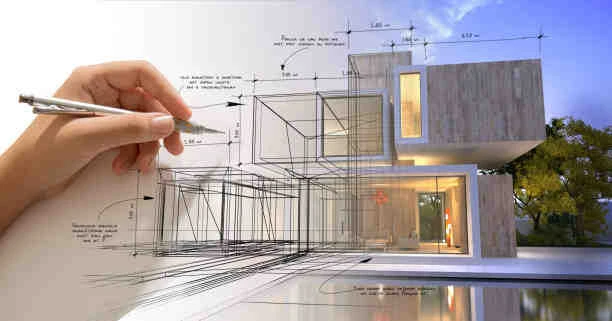
In a world often cluttered with complexity, modern minimalism in architecture stands as a testament to the beauty of simplicity. This design philosophy strips away excess ornamentation and embraces cl...

Throughout history, mankind has expressed its creativity and ambition through the construction of iconic architectural landmarks. These structures not only captivate us with their breathtaking designs...
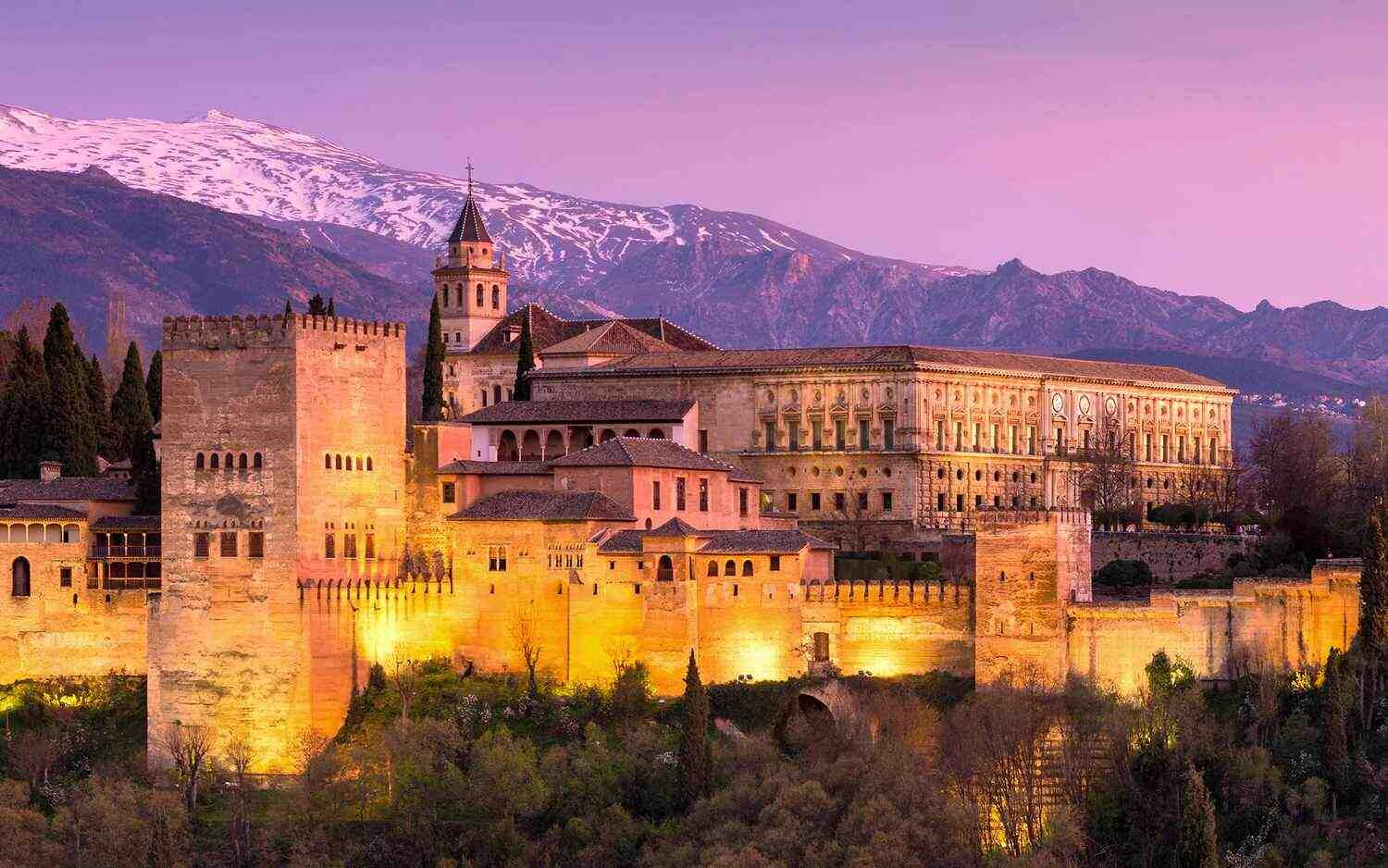
Symmetry and balance in architectural design are principles that have been appreciated for centuries. These elements create a sense of harmony, order, and visual appeal in buildings and structures. Sy...

As the sun dips below the horizon, architectural wonders across the globe come to life, basking in the radiance of carefully designed illumination. Creative lighting design possesses the remarkable ab...
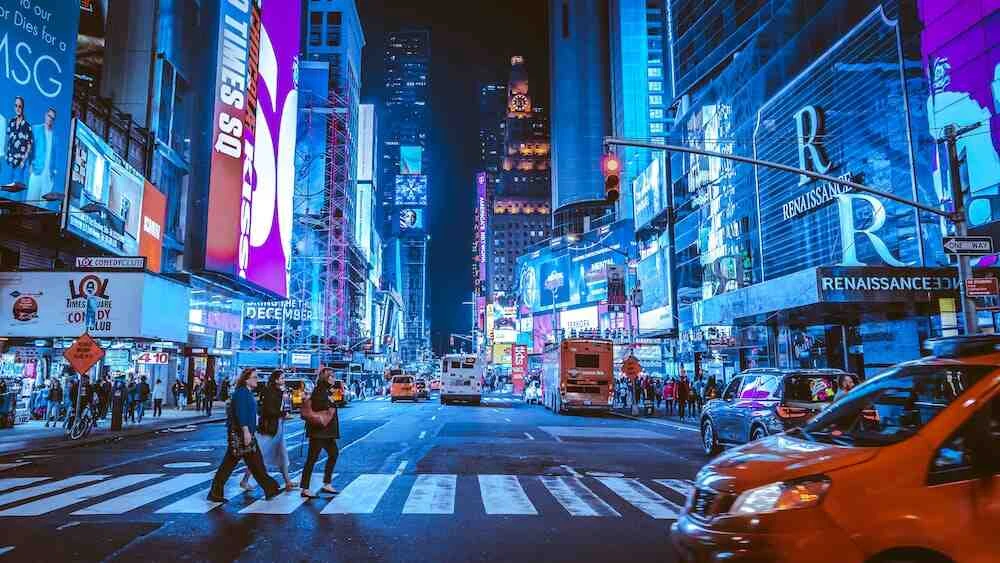
Architecture has a profound impact on our daily lives, shaping the way we interact with our surroundings and with one another. In recent years, a shift towards community-centric architecture has been ...
In the ever-evolving world of architecture, the materials we use play a pivotal role in shaping the built environment. Over the years, architects and designers have pushed the boundaries of convention...
Sign up to start winning an unlimited amount of jobs near you.


 Electrician
Gas Engineer
Electrician
Gas Engineer


Send more enquiries and explore your options
Increasing the number of potentials leads for you!
Have more control and flexibility over your finances!