



The Importance of Loft Insulation
Before we dive into the techniques for creating efficient loft insulation, let"s understand why it"s essential. Your home"s attic or loft area plays a pivotal role in maintaining the indoor temperature. Inadequate or outdated insulation can lead to a host of issues:
High Energy Bills
Poor insulation allows heat to escape during the winter and intrude during the summer. As a result, your heating and cooling systems work harder and longer to maintain the desired indoor temperature, causing your energy bills to skyrocket.
Uncomfortable Living Spaces
An uninsulated or poorly insulated loft can lead to temperature extremes. In the winter, it can feel like an icebox, while in the summer, it"s a stifling sauna. This not only affects your comfort but also your quality of life.
Environmental Impact
Heavily relying on heating and cooling systems due to poor insulation contributes to higher energy consumption and increased greenhouse gas emissions. By improving your loft insulation, you can reduce your carbon footprint and be more environmentally friendly.
Now that we understand why loft insulation is crucial, let"s explore some techniques to make your loft insulation more efficient.
Techniques for Efficient Loft Insulation
Choose the Right Insulation Material: The first step in creating efficient loft insulation is selecting the appropriate insulation material. Common options include fiberglass, cellulose, and foam boards. Each material has its unique properties and R-value (a measure of insulation effectiveness). Research and consult with a professional to determine the best material for your specific needs.
Proper Installation: No matter how high-quality your insulation material is, if it"s not installed correctly, it won"t be effective. Ensure that you follow the manufacturer"s guidelines for installation. If you"re not confident in your DIY skills, consider hiring a professional insulation contractor to do the job.
Seal Gaps and Cracks: Before adding insulation, inspect your loft for any gaps, cracks, or holes. Seal these areas with caulk or weatherstripping to prevent drafts and air leaks. Proper sealing will make your insulation more efficient, as it prevents warm or cool air from escaping.
Insulate the Loft Floor: Insulating the loft floor is often the most effective way to control your home"s temperature. It prevents heat from escaping through the ceiling and keeps the living space below comfortable. Ensure that insulation is evenly distributed across the entire floor surface.
Ventilation: Adequate ventilation is crucial to prevent moisture buildup in your loft, which can lead to mold and structural damage. Invest in proper attic ventilation systems to maintain air circulation while keeping your insulation dry and efficient.
Use Reflective Foil Insulation: Reflective foil insulation, often known as radiant barrier insulation, can be a valuable addition to your loft insulation. This type of insulation reflects radiant heat, making it more effective at keeping your loft comfortable, especially in hot climates.
Consider a Double Layer: In extremely cold climates, consider installing a double layer of insulation. You can lay one layer between the joists and another perpendicular to the joists to increase the overall R-value and improve insulation performance.
Insulate the Roof: If you have a habitable loft space, consider insulating the roof itself, rather than just the floor. This can create a more comfortable living environment while saving energy. However, this is a more complex and costly undertaking, so consult with a professional before proceeding.
Regular Maintenance: Insulation degrades over time, so it"s important to conduct regular maintenance checks. Replace or reinforce insulation as needed, and make any necessary repairs to maintain its efficiency.
Energy-Efficient Lighting: While not directly related to insulation, using energy-efficient lighting in your loft can reduce the amount of heat generated. LED or CFL bulbs produce less heat and can contribute to a cooler and more comfortable living space.
Seek Professional Advice: If you"re unsure about any aspect of loft insulation, consult with a professional. They can assess your specific situation and provide tailored recommendations to achieve the best results.
Conclusion
Efficient loft insulation is the key to creating a comfortable and energy-efficient home. By taking the time to choose the right materials, properly install insulation, and seal gaps and cracks, you can enjoy a cozier living space while reducing your energy bills and environmental impact. Don"t overlook the importance of loft insulation in your home improvement projects—it"s an investment that pays off in numerous ways, making your home a more pleasant and eco-friendly place to live.

Introduction: In carpentry, time is money, and workflow is the pulse that keeps the business alive. Yet, many carpenters need help with a disjointed workflow, stifling efficiency and sapping the joy o...
.webp)
Introduction: Carpentry more than just a trade, is an art form. The journey to mastery involves constantly honing one"s skills, a voyage where every chisel stroke and nail-driven shapes not just ...
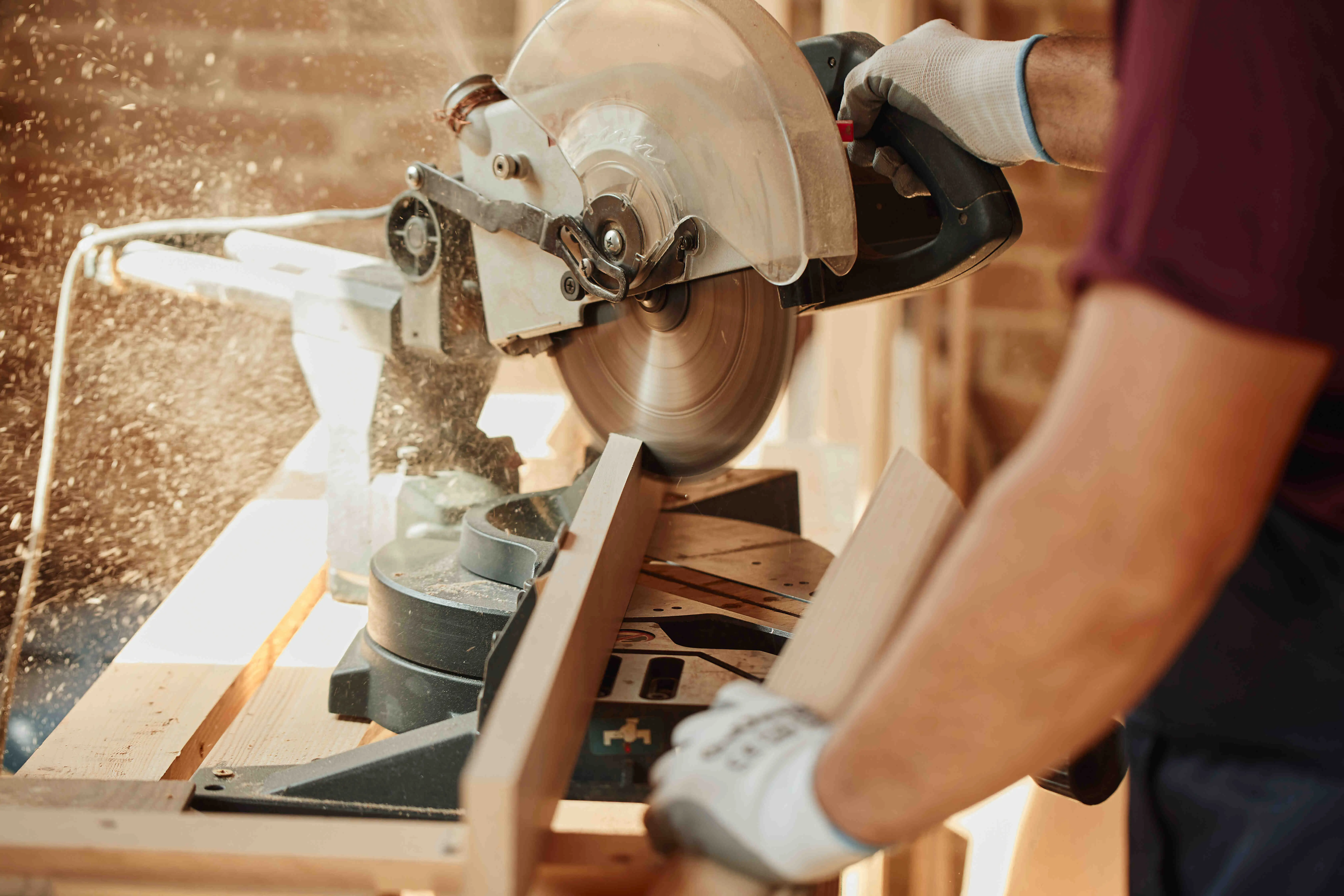
In the world of woodworking, every piece of timber tells a story - a tale of craftsmanship, dedication, and wisdom. For aspiring woodworkers and seasoned artisans alike, this blog is a collection of T...

In the world of woodworking, every piece crafted is a note in the symphony of a carpenter"s career. Yet, to compose a melodious tune, one must prioritize the conductor - their health and longevity. Th...

In carpentry, precision isn"t just about chiselling wood; it"s about chiselling a successful business. Financial stability and growth are the building blocks of a carpentry enterprise. Welcome to "Cra...

In the world of woodworking, creating something beautiful is not just an art—it"s a responsibility. A responsibility towards the craft, the client, and most importantly, the safety and well-bein...
Sign up to start winning an unlimited amount of jobs near you.


 Electrician
Gas Engineer
Electrician
Gas Engineer


Send more enquiries and explore your options
Increasing the number of potentials leads for you!
Have more control and flexibility over your finances!