

Understanding Universal Design
Universal design is an approach to creating spaces and products that are usable by people of all ages, sizes, and abilities. It seeks to eliminate physical and social barriers and promote inclusivity. When applied to a bathroom, universal design principles aim to make it a safe and functional space for everyone, regardless of their physical capabilities. Here are some key principles to keep in mind:
1. **Equitable Use**: The bathroom should be designed so that all users can access and use it with equal ease and comfort. This includes people with disabilities, older adults, and children.
2. **Flexibility in Use**: Features and fixtures should accommodate a wide range of individual preferences and abilities. For example, a roll-in shower can be used by someone in a wheelchair or by someone who prefers to walk in.
3. **Simple and Intuitive Use**: Controls and features should be easy to understand, regardless of the user"s experience, knowledge, language skills, or concentration level.
4. **Perceptible Information**: Ensure that information necessary for use is easily perceivable by all users. This includes tactile indicators, clear signage, and audible cues.
5. **Tolerance for Error**: Design elements should minimize hazards and the adverse consequences of accidental or unintended actions. For example, slip-resistant flooring reduces the risk of falls.
6. **Low Physical Effort**: Minimize the physical effort required to use the bathroom. This includes lever-style faucet handles and easy-to-reach storage.
Practical Tips for Creating an Accessible Bathroom
Now that we understand the principles of universal design, let"s explore some practical tips for creating an accessible bathroom:
1. **Widen Doorways**: Ensure that the bathroom door is wide enough to accommodate a wheelchair or mobility aid, typically a minimum of 32 inches wide.
2. **Accessible Shower**: Consider installing a roll-in shower with a zero-threshold entry. Include grab bars for support and a fold-down shower seat for convenience.
3. **Toilet Accessibility**: Install an accessible toilet, which is taller and easier to use for people with mobility issues. Provide grab bars near the toilet for stability.
4. **Sink and Vanity**: Choose a wall-mounted or pedestal sink to allow for wheelchair clearance underneath. Install lever-style faucet handles that are easy to turn.
5. **Non-Slip Flooring**: Use slip-resistant flooring materials to prevent accidents. Consider installing a non-slip mat or adhesive strips in the shower area.
6. **Proper Lighting**: Ensure that the bathroom is well-lit, with task lighting near the mirror and fixtures. This helps individuals with visual impairments.
7. **Accessible Storage**: Opt for open shelving or lower cabinets to make items more accessible for individuals in wheelchairs or with limited reach.
8. **Easy-to-Reach Controls**: Position light switches, thermostats, and other controls at a height that is easily reachable from a seated or standing position.
9. **Visual and Tactile Cues**: Incorporate contrasting colors and tactile indicators to help users with visual impairments navigate the space safely.
10. **Grab Bars**: Install grab bars strategically throughout the bathroom, especially near the toilet, shower, and bathtub.
Conclusion
Creating an accessible bathroom is not just a matter of compliance with building codes; it"s about ensuring that everyone can enjoy a safe and functional space. Universal design principles emphasize inclusivity and usability for people of all abilities. By implementing the practical tips mentioned above, you can transform your bathroom into a welcoming and accessible environment that meets the needs of everyone in your household, regardless of their physical capabilities. Remember, accessibility benefits not only those with disabilities but also families with young children and older adults, making your home more comfortable and accommodating for all.
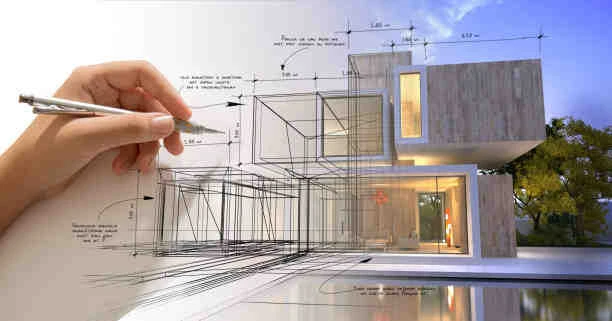
In a world often cluttered with complexity, modern minimalism in architecture stands as a testament to the beauty of simplicity. This design philosophy strips away excess ornamentation and embraces cl...

Throughout history, mankind has expressed its creativity and ambition through the construction of iconic architectural landmarks. These structures not only captivate us with their breathtaking designs...

Symmetry and balance in architectural design are principles that have been appreciated for centuries. These elements create a sense of harmony, order, and visual appeal in buildings and structures. Sy...
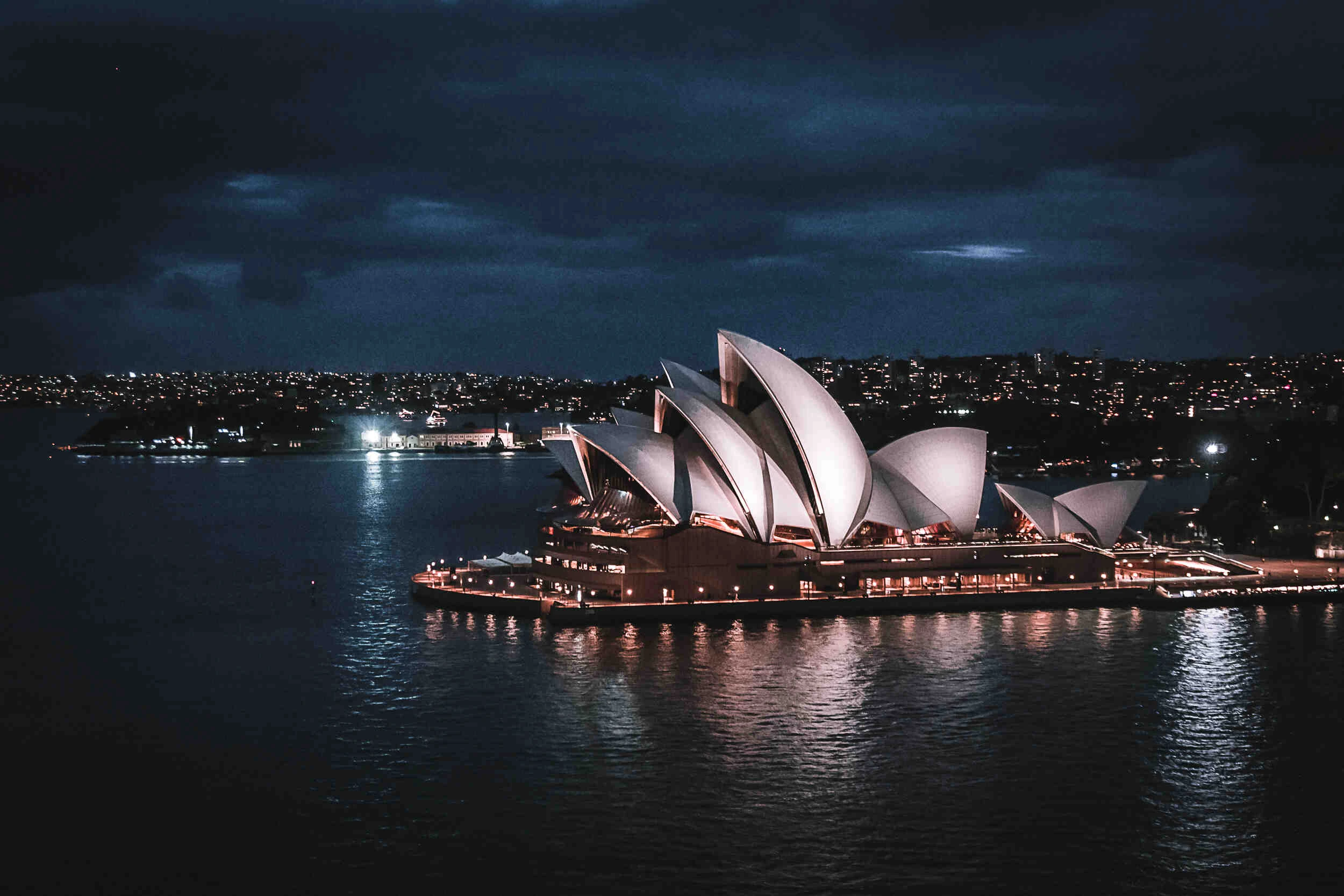
As the sun dips below the horizon, architectural wonders across the globe come to life, basking in the radiance of carefully designed illumination. Creative lighting design possesses the remarkable ab...

Architecture has a profound impact on our daily lives, shaping the way we interact with our surroundings and with one another. In recent years, a shift towards community-centric architecture has been ...
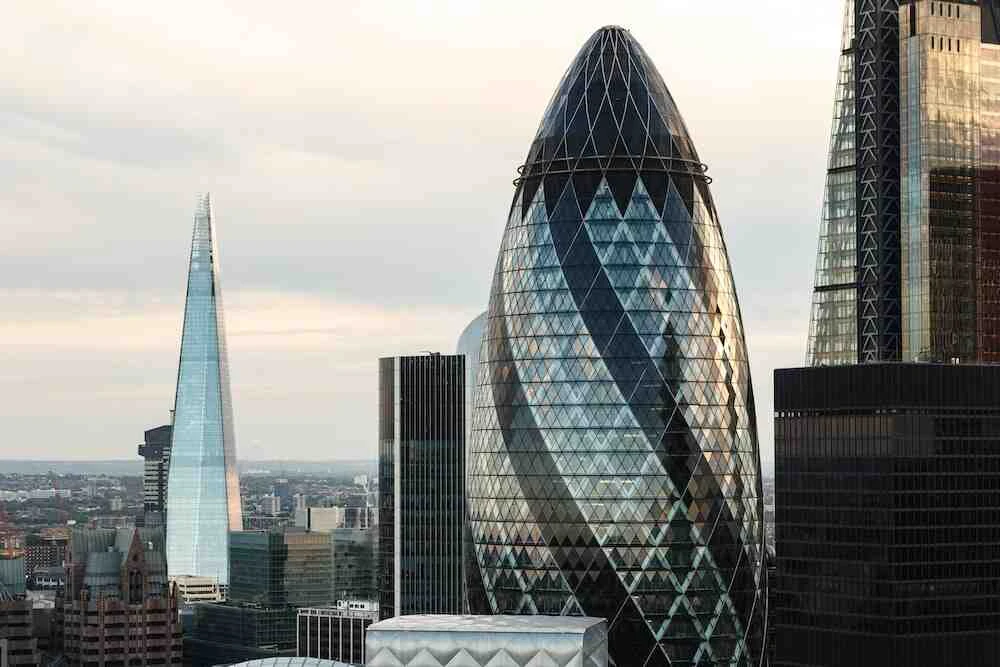
In the ever-evolving world of architecture, the materials we use play a pivotal role in shaping the built environment. Over the years, architects and designers have pushed the boundaries of convention...
Sign up to start winning an unlimited amount of jobs near you.


 Electrician
Gas Engineer
Electrician
Gas Engineer


Send more enquiries and explore your options
Increasing the number of potentials leads for you!
Have more control and flexibility over your finances!