


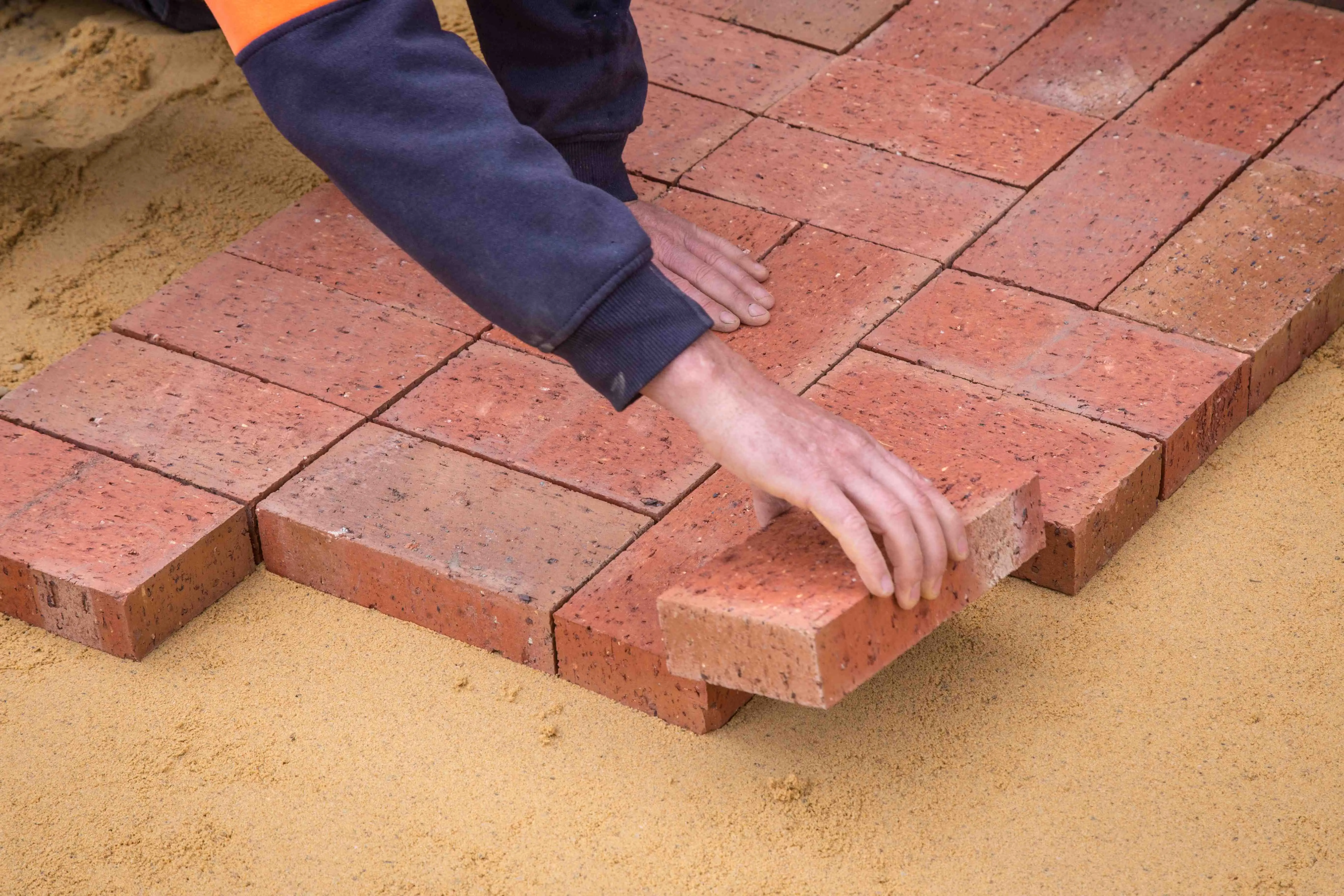
Brickwork has a rich history dating back thousands of years, and it has been a staple in construction for centuries. However, it is in the realm of modern architecture that brickwork has truly come into its own. In this blog post, we will explore the resurgence of brickwork in contemporary architecture, examining how architects are using this age-old material to create stunning and innovative designs.
The Timeless Appeal of Brick
Before we dive into the contemporary applications of brickwork, it"s essential to understand why brick has remained a beloved building material throughout the ages. Its appeal lies in its unique combination of durability, versatility, and aesthetic charm.
Durability: One of the key advantages of using bricks in construction is their durability. Bricks can withstand the test of time, enduring harsh weather conditions and the passage of years without deteriorating significantly. This longevity is a testament to the material"s robustness.
Versatility: Bricks come in various shapes, sizes, and colors, making them a versatile choice for architects. Whether used in traditional or avant-garde designs, bricks can adapt to suit any architectural vision. This adaptability is a significant factor in their continued relevance.
Aesthetic Charm: Brickwork exudes a timeless aesthetic charm that transcends architectural trends. The warm, earthy tones of the bricks create a welcoming and inviting atmosphere. Their natural texture adds depth and character to structures, making them visually appealing.
Contemporary Brickwork Trends
While brickwork has been a constant in construction, architects today are reimagining how it can be used to create contemporary masterpieces. Let"s explore some of the exciting trends and techniques in contemporary brickwork.
Innovative Patterns and Textures:
Herringbone: One of the most popular contemporary brickwork patterns is the herringbone. This intricate arrangement of bricks creates a visually stimulating, almost hypnotic effect. Architects use this pattern in both interior and exterior designs to add depth and visual interest.
Textured Bricks: Modern brick manufacturers have introduced textured bricks that deviate from the smooth, traditional surface. These textured bricks create a dynamic interplay of light and shadow, adding a modern twist to brick facades.
Thin Brick Veneers:
Thin Brick Facades: In contemporary architecture, thin brick veneers have gained popularity. These are slim, lightweight bricks that can be applied as a facade over existing structures or used in new construction. Thin bricks offer the timeless appeal of traditional bricks without the bulk, allowing for more flexible design possibilities.
Sustainable Building Practices:
Recycled Bricks: Sustainability is a top priority in modern architecture. To reduce environmental impact, architects are increasingly using recycled bricks salvaged from demolished buildings. This not only conserves resources but also adds a unique historical dimension to new constructions.
Brick Sunscreens: Architects are incorporating brick sunscreens into their designs to regulate natural light and temperature. These latticed brick screens provide shade and ventilation while adding a contemporary touch to buildings.
Hybrid Materials:
Brick and Glass: The juxtaposition of brick and glass is a hallmark of contemporary architecture. Architects often combine the warmth and texture of brick with the transparency and lightness of glass to create stunning visual contrasts.
Artistic Expressions:
Brick Murals: Some contemporary architects use bricks as a canvas for artistic expressions. Brick murals and sculptures are emerging as a unique way to incorporate art into architectural designs, showcasing the versatility of brick as a medium.
Case Studies: Iconic Contemporary Brick Buildings
To better understand the impact of contemporary brickwork in modern architecture, let"s explore a few iconic examples from around the world.
The Tate Modern, London: The Herzog & de Meuron-designed extension to the Tate Modern art gallery features a striking brick façade composed of perforated bricks. This innovative design allows diffused natural light to enter the interior spaces while maintaining a sense of privacy and architectural intrigue.
Brickell Flatiron, Miami: In the heart of Miami"s urban jungle, Brickell Flatiron stands tall with its distinctive, undulating brick façade. The building"s innovative use of curved bricks challenges conventional construction techniques and adds a touch of elegance to the cityscape.
Sancaklar Mosque, Istanbul: This minimalist mosque designed by Emre Arolat Architects is a remarkable example of how contemporary architecture can seamlessly incorporate brickwork. The mosque"s serene and tranquil interior is created through the interplay of light and shadow on the brick surfaces.
Conclusion
Contemporary brickwork in modern architecture is a testament to the enduring appeal and adaptability of this age-old building material. Architects worldwide are embracing the versatility of bricks to create innovative, sustainable, and aesthetically pleasing structures. From intricate brick patterns to sustainable building practices, the possibilities with brickwork in contemporary architecture are boundless.
As we look to the future of architecture, it"s clear that brickwork will continue to play a vital role in shaping our built environment. Its timeless charm, combined with modern innovations, ensures that brickwork remains at the forefront of architectural design, standing as a bridge between the past and the future of construction.
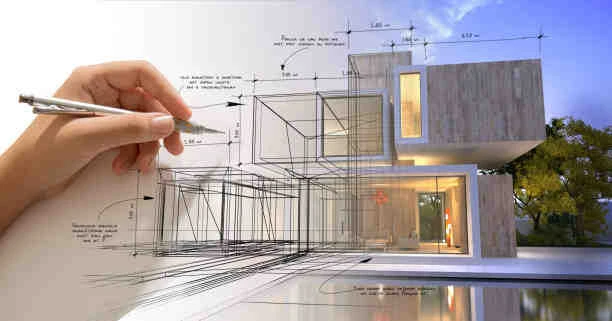
In a world often cluttered with complexity, modern minimalism in architecture stands as a testament to the beauty of simplicity. This design philosophy strips away excess ornamentation and embraces cl...

Throughout history, mankind has expressed its creativity and ambition through the construction of iconic architectural landmarks. These structures not only captivate us with their breathtaking designs...

Symmetry and balance in architectural design are principles that have been appreciated for centuries. These elements create a sense of harmony, order, and visual appeal in buildings and structures. Sy...
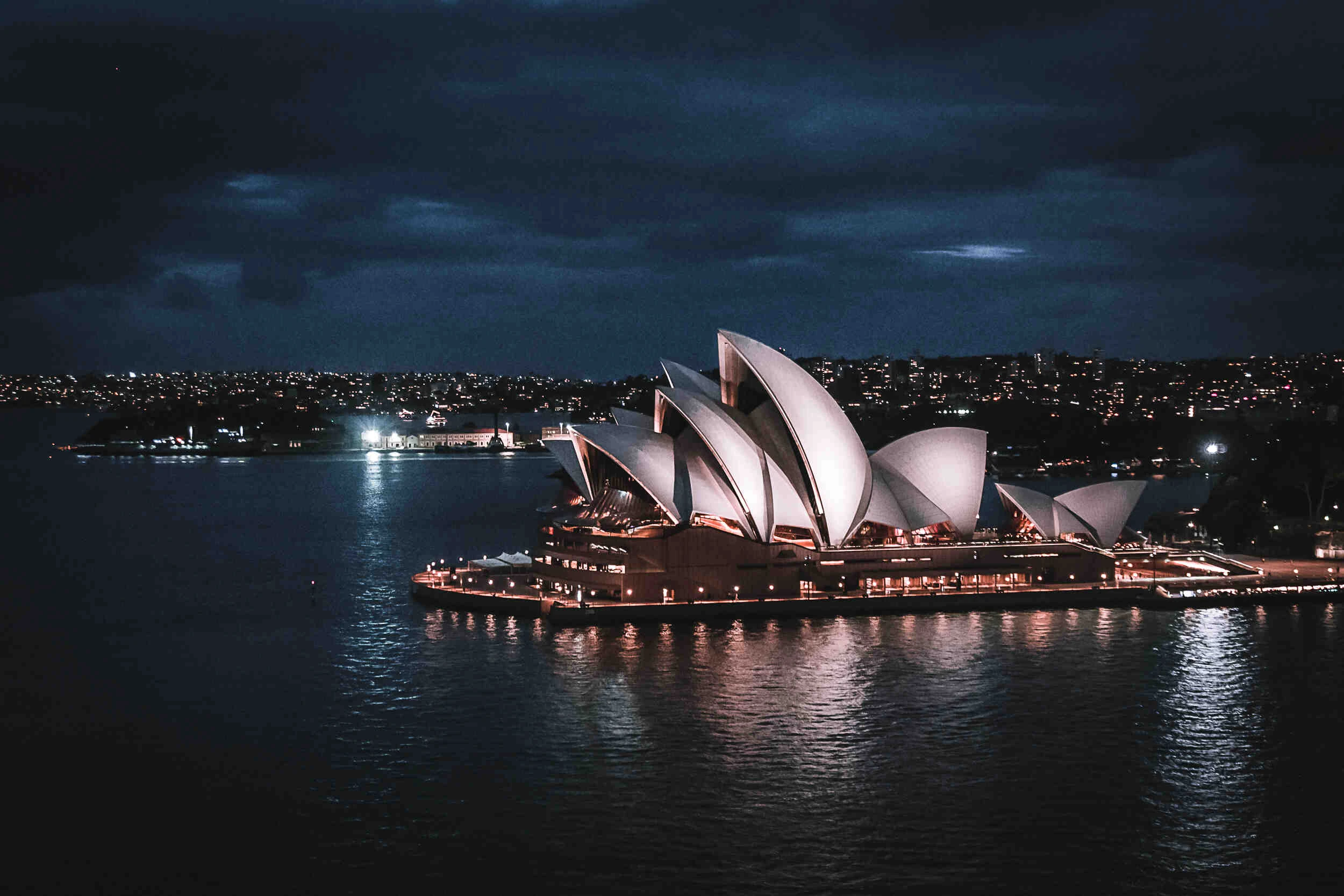
As the sun dips below the horizon, architectural wonders across the globe come to life, basking in the radiance of carefully designed illumination. Creative lighting design possesses the remarkable ab...
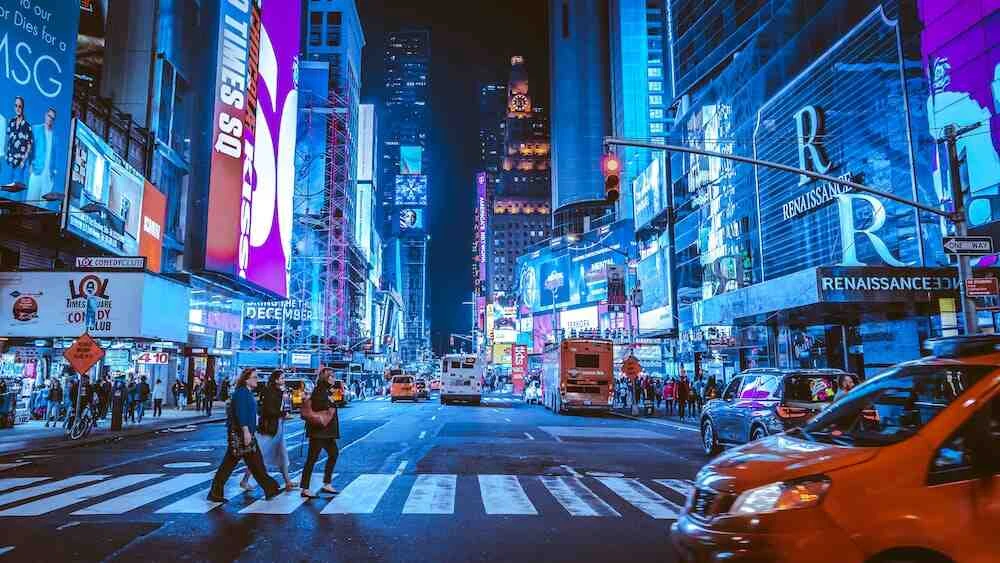
Architecture has a profound impact on our daily lives, shaping the way we interact with our surroundings and with one another. In recent years, a shift towards community-centric architecture has been ...
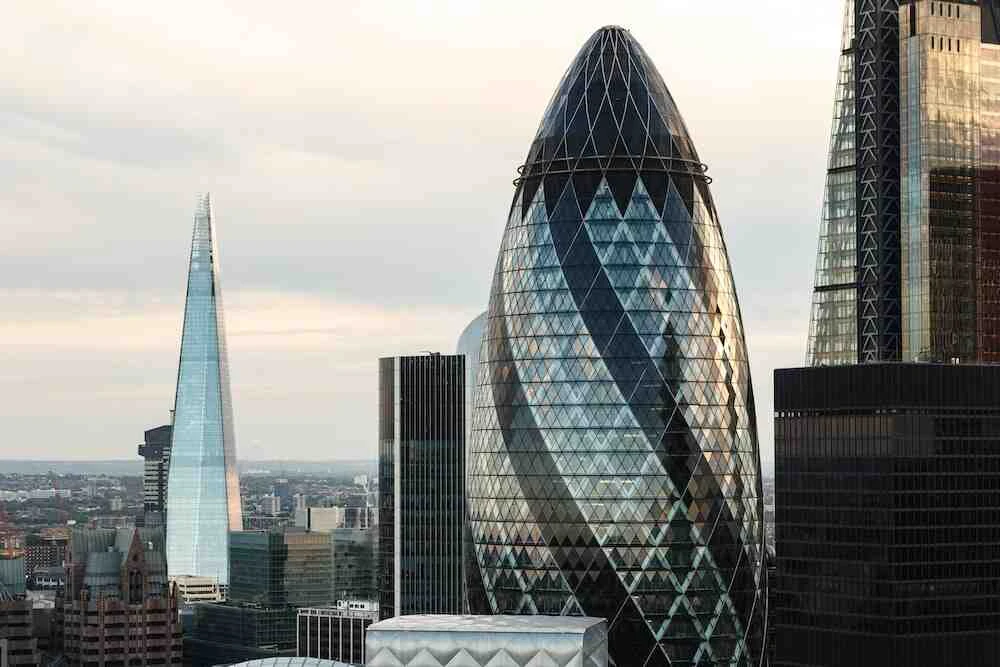
In the ever-evolving world of architecture, the materials we use play a pivotal role in shaping the built environment. Over the years, architects and designers have pushed the boundaries of convention...
Sign up to start winning an unlimited amount of jobs near you.


 Electrician
Gas Engineer
Electrician
Gas Engineer


Send more enquiries and explore your options
Increasing the number of potentials leads for you!
Have more control and flexibility over your finances!