


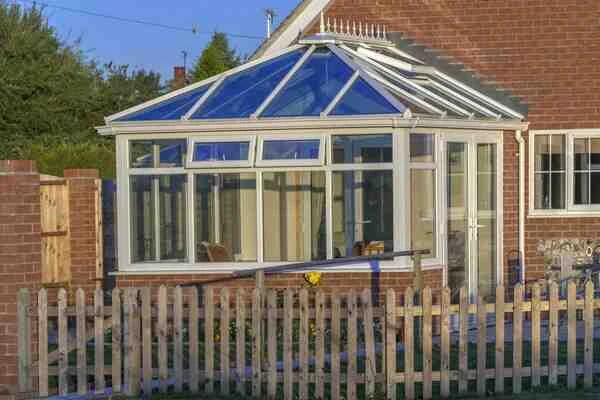
The Allure of Conservatories
Conservatories have long been a favorite addition to homes. Their unique blend of indoor and outdoor living creates a space that allows you to feel connected to nature, no matter the weather. It"s a place to sip your morning coffee, read a book, or entertain guests while basking in the beauty of your surroundings.
However, many conservatory owners find that their beautiful glass structures can become too hot in the summer and too cold in the winter. This often results in them being underutilized, despite their potential for year-round enjoyment. The key to making the most of your conservatory is proper insulation.
Why Insulation Matters
Insulating your conservatory is not just about comfort; it"s also about energy efficiency and cost savings. A well-insulated conservatory will keep the temperature regulated, reducing your reliance on heating and cooling systems. This, in turn, can lead to lower energy bills and a smaller carbon footprint.
Moreover, insulation can protect your furnishings and flooring from the harsh effects of extreme temperatures. It helps to preserve the integrity of your space and save you from the costly consequences of sun damage.
Now, let"s delve into some conservatory insulation techniques that can make your space cozy in all seasons.
1. Roof Insulation
One of the most significant sources of temperature fluctuation in a conservatory is the roof. In summer, the sun"s rays can turn it into an oven, while in winter, it can feel like a freezer. Roof insulation is crucial for maintaining a comfortable temperature.
a. Roof Blinds: Roof blinds are a simple and effective solution. They can be adjusted to block out the sun"s intensity in summer and provide an extra layer of insulation in winter. They come in various styles and materials to suit your aesthetics.
b. Insulated Roof Panels: Installing insulated roof panels can significantly improve temperature control. These panels are designed to reflect heat during the summer and trap warmth in the winter. They can be a bit pricier but offer excellent long-term benefits.
2. Double Glazing
Double glazing is a standard choice for conservatory windows. It involves two panes of glass separated by a small space filled with gas or air. This design creates a barrier that helps regulate temperature.
a. UV-Resistant Coatings: Opt for windows with UV-resistant coatings. These coatings block harmful UV rays and reduce solar heat gain. They also help protect your furniture and plants from sun damage.
b. Argon Gas Filling: If you choose double-glazed windows, make sure they are filled with argon gas. Argon is an excellent insulator that enhances energy efficiency.
3. Flooring Solutions
Conservatory flooring can make a big difference in temperature control. Consider these options:
a. Underfloor Heating: Underfloor heating can be installed beneath your flooring material. It"s an excellent solution for keeping your conservatory warm during winter.
b. Insulated Flooring: If underfloor heating isn"t an option, consider insulating your floor. You can add a layer of insulating material beneath the flooring material to prevent heat loss.
4. Blinds and Curtains
Blinds and curtains are versatile solutions for conservatory insulation. They can be easily adjusted to control light and temperature.
a. Thermal Blinds: Thermal blinds are designed to keep the warmth in during winter and block out heat during summer. They are available in various styles and colors to complement your decor.
b. Heavy Curtains: Thick, heavy curtains with a thermal lining can also help regulate temperature. They provide an extra layer of insulation and can be drawn to keep the heat in or out as needed.
5. Ventilation
Proper ventilation is essential for maintaining a comfortable conservatory. It helps to control humidity and prevent overheating during the summer months.
a. Roof Vents: Roof vents are a great addition to any conservatory. They can be automated to open and close as needed, maintaining a steady airflow and preventing the space from becoming too hot.
b. Wall Vents: Wall vents, positioned strategically, can help with cross-ventilation and ensure the space remains comfortable.
6. Shade and Greenery
Incorporating natural elements can make a significant difference in your conservatory"s comfort level.
a. Shade Plants: Consider planting shade-loving plants near your conservatory. They can naturally cool the space and create a serene atmosphere.
b. Outdoor Canopy: If your conservatory opens onto an outdoor space, adding a retractable canopy can provide instant shade and enhance the aesthetics of the area.
Conclusion
With the right conservatory insulation techniques, you can enjoy the beauty of your glass sanctuary in all seasons. By making these adjustments, you"ll find that your conservatory becomes a versatile space, inviting you to bask in the sun"s warmth in winter or escape the summer"s scorching heat. Not only will you find comfort, but you"ll also benefit from energy savings and the longevity of your furnishings. So, start exploring these techniques and transform your conservatory into a true year-round oasis.

Introduction: In carpentry, time is money, and workflow is the pulse that keeps the business alive. Yet, many carpenters need help with a disjointed workflow, stifling efficiency and sapping the joy o...
.webp)
Introduction: Carpentry more than just a trade, is an art form. The journey to mastery involves constantly honing one"s skills, a voyage where every chisel stroke and nail-driven shapes not just ...

In the world of woodworking, every piece of timber tells a story - a tale of craftsmanship, dedication, and wisdom. For aspiring woodworkers and seasoned artisans alike, this blog is a collection of T...

In the world of woodworking, every piece crafted is a note in the symphony of a carpenter"s career. Yet, to compose a melodious tune, one must prioritize the conductor - their health and longevity. Th...
In carpentry, precision isn"t just about chiselling wood; it"s about chiselling a successful business. Financial stability and growth are the building blocks of a carpentry enterprise. Welcome to "Cra...

In the world of woodworking, creating something beautiful is not just an art—it"s a responsibility. A responsibility towards the craft, the client, and most importantly, the safety and well-bein...
Sign up to start winning an unlimited amount of jobs near you.


 Electrician
Gas Engineer
Electrician
Gas Engineer


Send more enquiries and explore your options
Increasing the number of potentials leads for you!
Have more control and flexibility over your finances!