


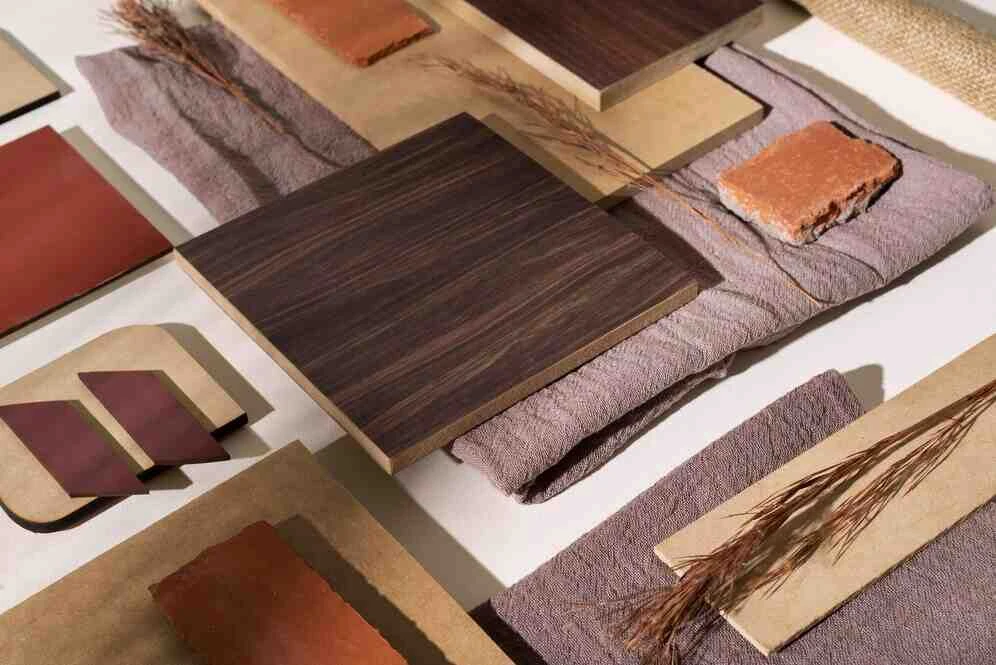
1. Hardwood Flooring
Pros:
Timeless Beauty: Hardwood flooring exudes timeless elegance and warmth, making it a classic choice for many homeowners.
Durability: Properly maintained hardwood floors can last for generations, adding long-term value to your home.
Variety: There are numerous wood species, colors, and finishes to choose from, allowing you to match your flooring to any interior design style.
Easy Maintenance: Regular sweeping and occasional refinishing are typically all that"s needed to keep hardwood floors looking their best.
Cons:
Cost: Hardwood flooring can be expensive, both in terms of materials and installation.
Susceptible to Water Damage: Hardwood is sensitive to moisture and can warp or become discolored if exposed to water.
Scratches and Dents: While hardwood is durable, it can still be scratched or dented by heavy furniture or sharp objects.
Requires Professional Installation: Installing hardwood floors can be a complex process that often requires professional expertise.
2. Laminate Flooring
Pros:
Affordability: Laminate flooring is a cost-effective alternative to hardwood, mimicking the look of wood at a fraction of the price.
Durability: Laminate is resistant to scratches, stains, and fading, making it ideal for high-traffic areas.
Easy Installation: Many laminate flooring options feature a click-and-lock installation system, making it a suitable DIY project.
Versatility: Laminate flooring comes in various styles, including wood, tile, and stone patterns, offering a wide range of design possibilities.
Cons:
Moisture Sensitivity: Laminate is not as water-resistant as some other flooring materials, so it may not be suitable for bathrooms or kitchens.
Limited Refinishing Options: Unlike hardwood, laminate cannot be sanded and refinished, so damage may require replacement.
Not as Authentic as Hardwood: While laminate mimics the look of hardwood, it lacks the genuine warmth and texture of real wood.
3. Tile Flooring
Pros:
Variety: Tile flooring offers an extensive selection of materials, including ceramic, porcelain, and natural stone, each with its unique style.
Durability: Tiles are highly resistant to wear, moisture, and stains, making them suitable for bathrooms, kitchens, and high-traffic areas.
Easy Maintenance: Regular cleaning and occasional sealing are all that"s needed to keep tile floors looking pristine.
Heat Conductivity: Tile flooring can help keep your home cool in hot climates as it does not retain heat.
Cons:
Cold Underfoot: Tile can feel cold and uncomfortable to walk on, especially in colder climates.
Grout Maintenance: The grout between tiles can be prone to staining and may require regular cleaning and sealing.
Hardness: Dropping fragile items on tile can result in breakage, and it may not be the most comfortable option for young children.
4. Vinyl Flooring
Pros:
Affordability: Vinyl is a budget-friendly flooring option that can mimic the look of more expensive materials like hardwood or stone.
Water Resistance: Vinyl is highly resistant to moisture, making it suitable for bathrooms, kitchens, and basements.
Comfortable Underfoot: Unlike tile, vinyl flooring is softer and more comfortable to walk on.
Low Maintenance: Vinyl is easy to clean and doesn"t require regular sealing or refinishing.
Cons:
Durability: While durable, vinyl can still be susceptible to tears and punctures, especially from sharp objects.
Not as Eco-Friendly: Vinyl is typically made from synthetic materials and may not be the most environmentally friendly option.
Appearance: While modern vinyl can replicate the look of natural materials, it may not have the same level of authenticity as the real thing.
5. Concrete Flooring
Pros:
Durability: Concrete is incredibly durable and resistant to wear and tear, making it suitable for both indoor and outdoor use.
Design Versatility: Concrete floors can be stained, stamped, or polished to achieve a variety of looks, from sleek and modern to rustic and industrial.
Low Maintenance: Once sealed, concrete floors require minimal maintenance and are easy to clean.
Energy Efficiency: Concrete can help regulate indoor temperatures, reducing heating and cooling costs.
Cons:
Hardness: Concrete can be uncomfortable to walk on for extended periods and may require area rugs or mats for comfort.
Installation Complexity: Achieving the desired finish for concrete floors often requires professional installation and expertise.
Susceptible to Cracking: Concrete floors can develop cracks over time, which may require repair.
6. Carpet Flooring
Pros:
Comfort: Carpet provides a soft and comfortable surface underfoot, making it ideal for bedrooms and living areas.
Insulation: Carpet acts as a natural insulator, helping to maintain indoor temperatures and reduce energy costs.
Noise Reduction: Carpet absorbs sound, reducing noise levels within your home.
Wide Variety: Carpets come in various styles, colors, and textures, allowing for versatile design choices.
Cons:
Maintenance: Carpets require regular vacuuming and occasional deep cleaning to prevent dirt and allergen buildup.
Stains: Carpets can be prone to staining, especially in high-traffic areas or homes with pets and children.
Allergens: Carpets can trap allergens like dust mites and pet dander, which may not be ideal for individuals with allergies.
Conclusion
Choosing the right flooring material for your home involves considering not only your aesthetic preferences but also your lifestyle, budget, and maintenance preferences. Each flooring option has its own set of pros and cons, and the ideal choice for your home will depend on your unique circumstances. Whether you prioritize the classic beauty of hardwood, the durability of tile, or the affordability of laminate, there"s a flooring material out there that"s perfect for you. Take your time, do your research, and consult with flooring professionals to ensure you make an informed decision that enhances the beauty and functionality of your living space. Your choice of flooring can truly transform your home, so choose wisely and enjoy the benefits for years to come.

In the era of climate change and environmental consciousness, sustainable building practices have gained immense importance. One of the critical aspects of sustainable construction is the selection of...

When it comes to making our homes and buildings more energy-efficient, insulation materials play a crucial role. They help regulate indoor temperatures, reduce energy consumption, and lower heating an...

Smart building technologies have revolutionized the way we design, construct, and manage buildings. These technologies leverage the power of the Internet of Things (IoT) to enhance building ef...
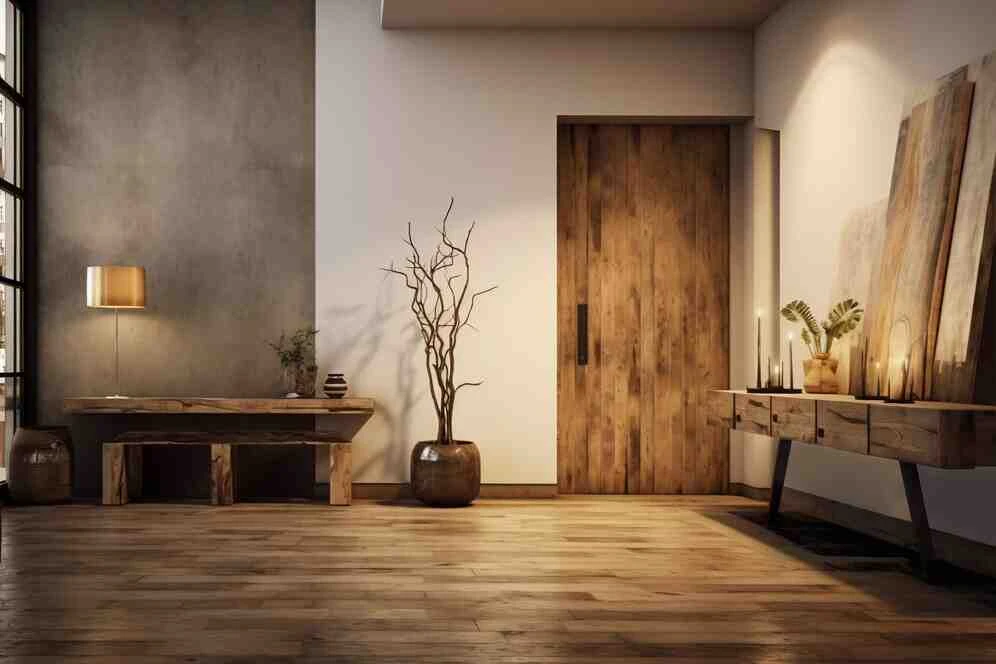
Selecting the right flooring material is a crucial decision when it comes to interior design and construction projects. Flooring not only impacts the aesthetics of a space but also affects its functio...

Windows and doors are more than just functional components of a building; they are key architectural elements that can dramatically impact a structure"s aesthetics, energy efficiency, and overall appe...

Innovative structural materials have been at the forefront of modern construction, pushing the boundaries of what is possible in terms of strength, sustainability, and design. As the construction indu...
Sign up to start winning an unlimited amount of jobs near you.


 Electrician
Gas Engineer
Electrician
Gas Engineer


Send more enquiries and explore your options
Increasing the number of potentials leads for you!
Have more control and flexibility over your finances!