


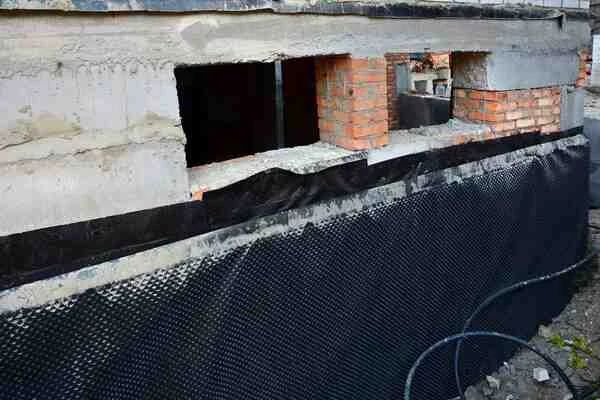
The Silent Invader: Dampness
Dampness, often caused by water intrusion, can seep into commercial buildings through various entry points, including leaky roofs, faulty plumbing, poor drainage, and even condensation. Once inside, it can wreak havoc on the building"s structure and pose health risks to the occupants.
Moisture creates the ideal breeding ground for mold, which can release spores into the air and lead to a host of respiratory problems. Additionally, dampness can weaken the structural integrity of a building over time, causing rot, corrosion, and other forms of damage. This is why damp-proofing is not merely an aesthetic concern but a critical aspect of maintaining a safe and sound commercial property.
Project Highlight 1: The Skyscraper Sanctuary
One of the most iconic examples of the importance of damp-proofing in commercial buildings is the Petronas Twin Towers in Kuala Lumpur, Malaysia. These 88-story skyscrapers, once the tallest buildings in the world, are an engineering marvel. However, the architects and engineers behind this project were acutely aware of the challenges of keeping such massive structures dry.
The Twin Towers feature a robust damp-proofing system that includes waterproof membranes, advanced drainage systems, and constant monitoring. These measures are critical because of the region"s tropical climate, which brings heavy monsoon rains and high humidity levels. Without effective damp-proofing, the towers could suffer from water damage and compromise the safety and comfort of thousands of occupants.
Project Highlight 2: Preserving History
While modern skyscrapers exemplify the importance of damp-proofing in new constructions, historical landmarks also require this protection. The Palace of Westminster in London, commonly known as the Houses of Parliament, is a prime example. This architectural masterpiece dates back to the 19th century and is a symbol of British democracy.
Dampness and water intrusion were threatening the structural integrity of this historic building. Restoration efforts included extensive damp-proofing, which preserved not only the building"s aesthetics but also its historical significance. This project is a testament to the role damp-proofing plays in the conservation of cultural heritage.
Project Highlight 3: The Hospital Oasis
In the realm of commercial buildings, hospitals are among the most vital. St. Mary"s Hospital in London is a remarkable example of damp-proofing playing a pivotal role in maintaining an environment conducive to patient care. Damp conditions can lead to the growth of harmful pathogens, jeopardizing patient health.
St. Mary"s Hospital incorporated advanced damp-proofing strategies, including vapor barriers, waterproof insulation, and efficient ventilation systems. This ensured that the facility remains safe and dry, providing a haven for healing.
The Role of Modern Technologies
Damp-proofing is no longer confined to traditional methods such as asphalt coatings or damp-proof courses. Advancements in materials and construction technologies have made it possible to address dampness more effectively and efficiently.
Waterproofing Membranes: High-performance waterproofing membranes are now available that can be applied as a barrier to keep water out. These membranes are highly durable and provide long-lasting protection.
Water-Resistant Sealants: Innovative sealants and caulks are being used to seal cracks, joints, and seams, preventing water from entering through vulnerable points.
Damp-Proof Paints: Specially formulated paints and coatings with damp-proofing properties can be applied to the interior and exterior surfaces to keep moisture at bay.
Drainage Systems: Advanced drainage systems are designed to redirect water away from the building, preventing it from accumulating around the foundation.
Ventilation and Dehumidification: Proper ventilation and dehumidification systems help maintain optimal indoor humidity levels, reducing the risk of condensation and mold growth.
Monitoring Systems: Smart technologies allow for real-time monitoring of moisture levels, providing early detection of potential issues and the ability to take preventive action.
The Financial and Environmental Impact
In addition to the obvious structural and health implications, the financial and environmental impact of dampness in commercial buildings should not be underestimated. Dampness can lead to costly repairs, increased energy consumption due to compromised insulation, and, in severe cases, the need for premature building replacement.
Moreover, damp-proofing isn"t just about protecting the building; it"s also about conserving resources. Preventing water intrusion and the resulting damage means fewer resources are used for repairs, reducing waste and the carbon footprint associated with construction.
Conclusion: Protecting the Future
Damp-proofing is often an unseen hero in the world of commercial buildings, quietly guarding against the damage and risks associated with moisture intrusion. The case studies mentioned in this article underscore the importance of damp-proofing in diverse settings, from towering skyscrapers to historic landmarks and vital healthcare facilities.
As technology advances and new materials become available, the battle against dampness is becoming more effective and sustainable. However, the core message remains the same: damp-proofing isn"t just a construction detail; it"s an investment in the longevity and safety of commercial buildings. By addressing the silent invader, we protect our built heritage and secure the future for generations to come.
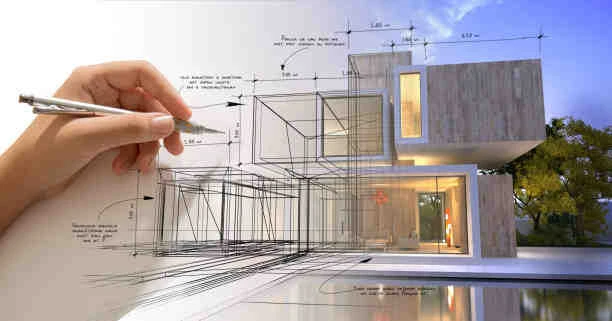
In a world often cluttered with complexity, modern minimalism in architecture stands as a testament to the beauty of simplicity. This design philosophy strips away excess ornamentation and embraces cl...

Throughout history, mankind has expressed its creativity and ambition through the construction of iconic architectural landmarks. These structures not only captivate us with their breathtaking designs...
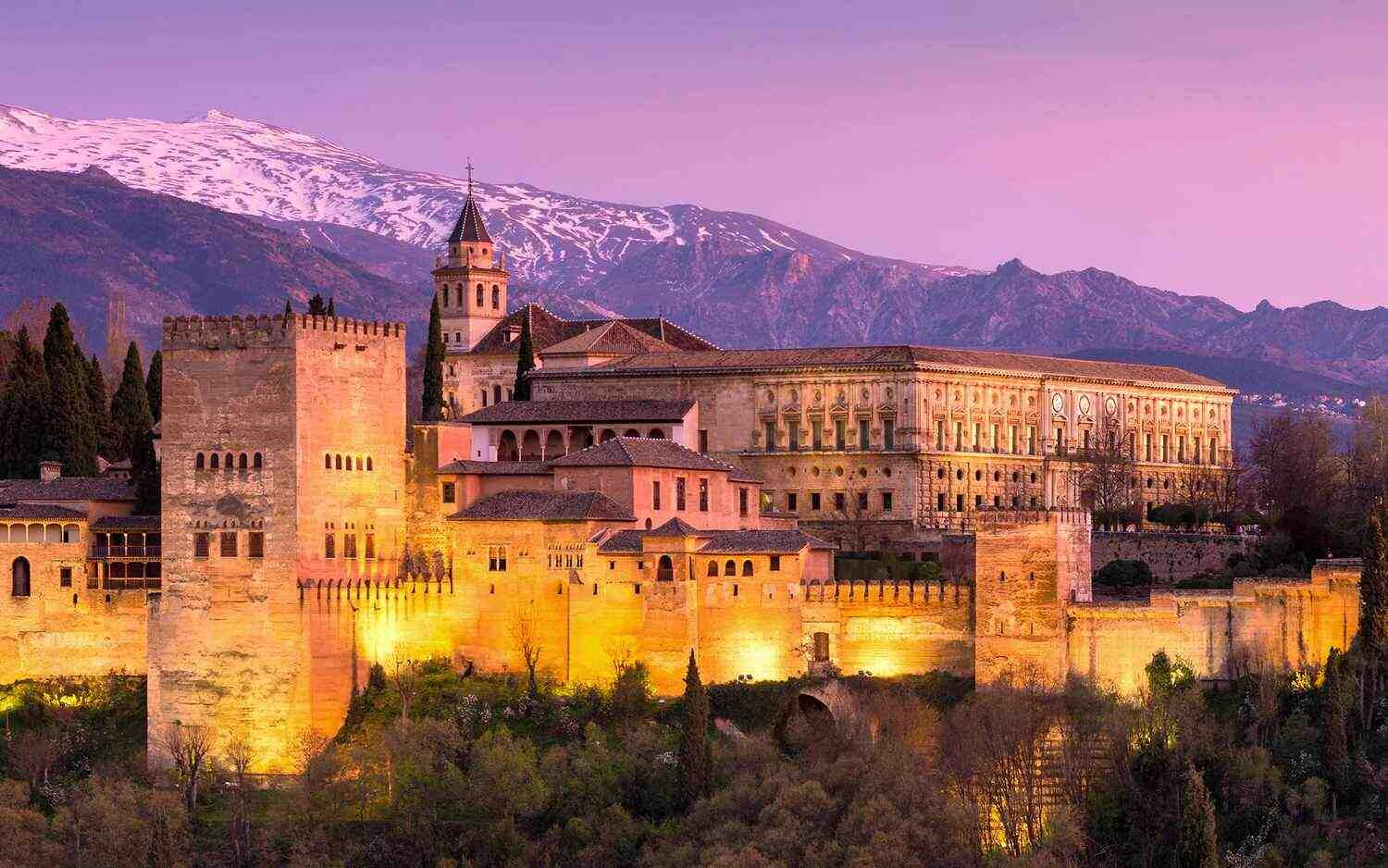
Symmetry and balance in architectural design are principles that have been appreciated for centuries. These elements create a sense of harmony, order, and visual appeal in buildings and structures. Sy...
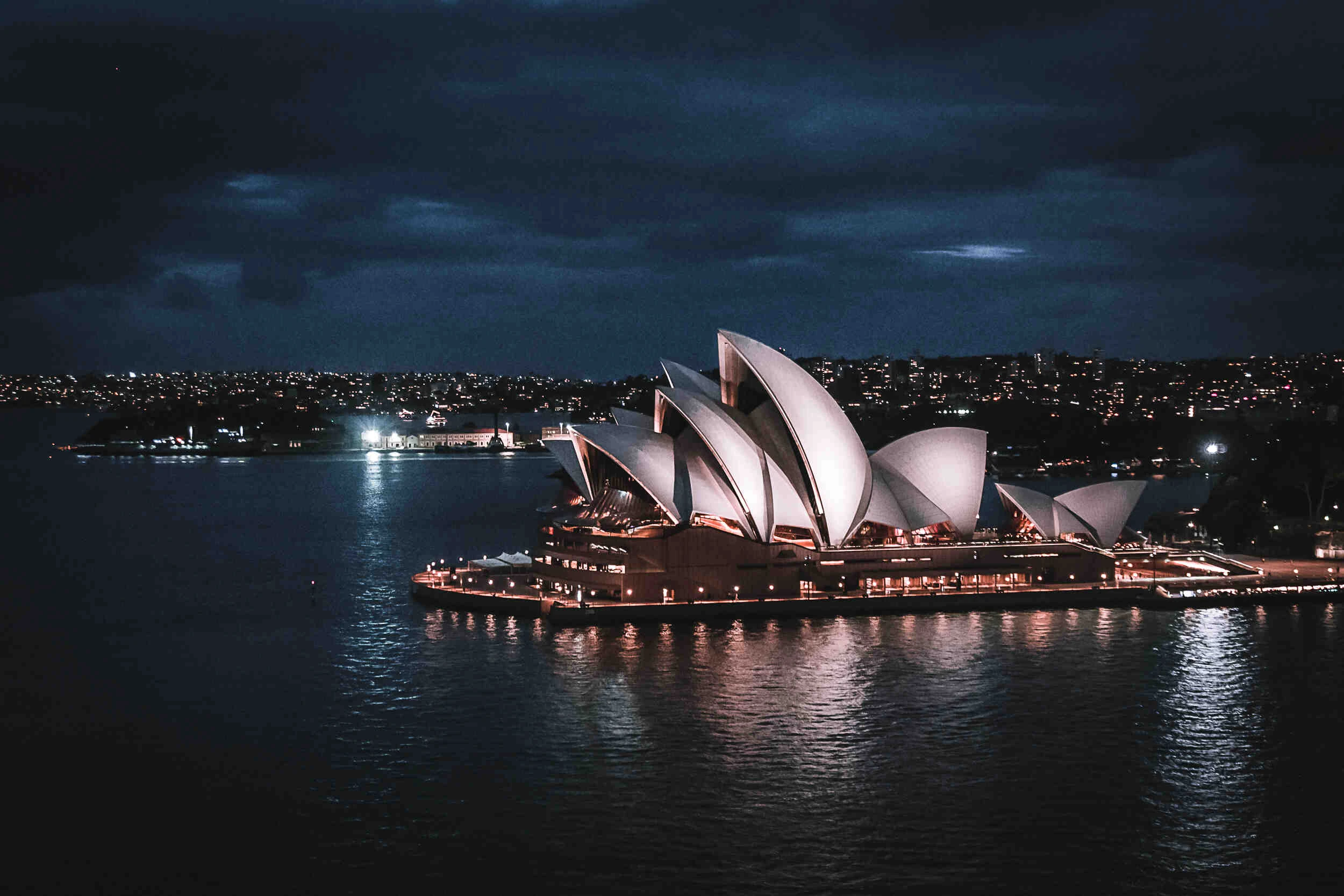
As the sun dips below the horizon, architectural wonders across the globe come to life, basking in the radiance of carefully designed illumination. Creative lighting design possesses the remarkable ab...
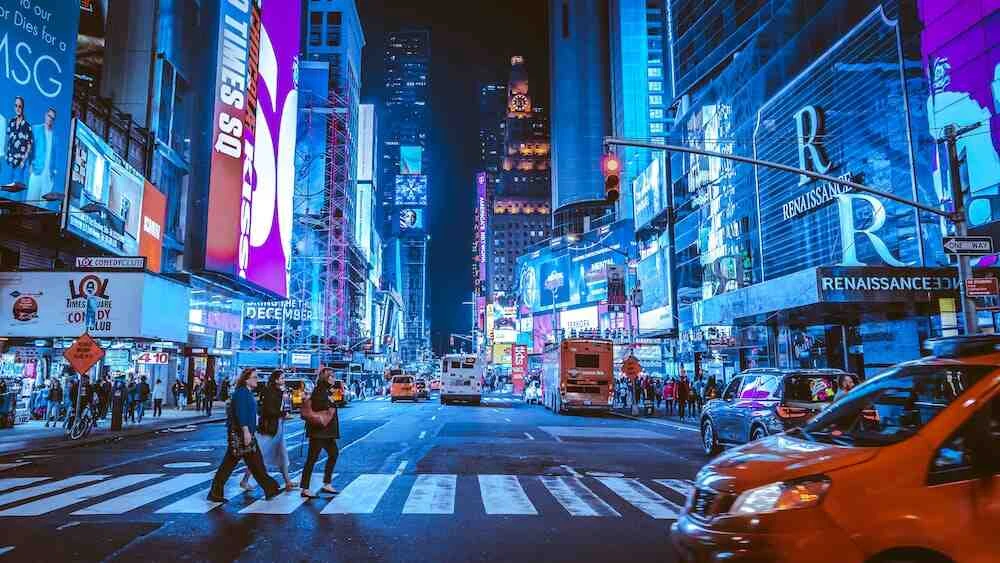
Architecture has a profound impact on our daily lives, shaping the way we interact with our surroundings and with one another. In recent years, a shift towards community-centric architecture has been ...
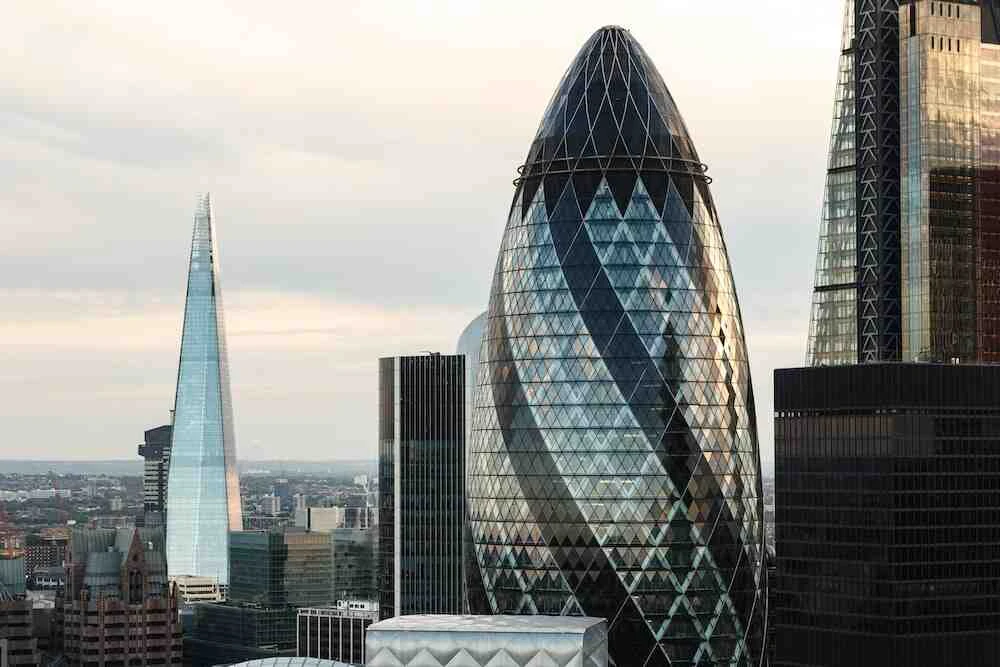
In the ever-evolving world of architecture, the materials we use play a pivotal role in shaping the built environment. Over the years, architects and designers have pushed the boundaries of convention...
Sign up to start winning an unlimited amount of jobs near you.


 Electrician
Gas Engineer
Electrician
Gas Engineer


Send more enquiries and explore your options
Increasing the number of potentials leads for you!
Have more control and flexibility over your finances!