

In this blog post, we will delve into the exciting world of real estate development and conservatories, exploring the benefits of this collaboration and how it contributes to a greener, more sustainable future.
The Rise of Sustainable Real Estate Development
Before we dive into the specifics of collaborating with real estate developers on conservatories, let"s take a moment to understand why sustainability is taking center stage in the real estate industry.
A Shift in Perspective
Real estate developers are no longer solely focused on creating buildings; they are now more focused on crafting communities and environments that harmonize with nature. This shift in perspective is largely due to a growing awareness of the impact of real estate development on the environment.
Regulatory Changes
Legislation and regulations are becoming more stringent when it comes to environmental standards in real estate development. Developers are obligated to adhere to sustainable building practices and energy efficiency standards. This is in part a response to global efforts to reduce carbon emissions.
Market Demand
Consumers and tenants are increasingly conscious of the environmental impact of their choices. Green buildings are not only attractive to eco-conscious buyers, but they also tend to command higher resale or rental values. Sustainable real estate is becoming a market differentiator.
What Are Conservatories?
Conservatories, also known as greenhouses or sunrooms, are versatile glass or polycarbonate structures that are often attached to residential or commercial buildings. Their primary purpose is to provide a sheltered environment for plants and leisure, but their benefits extend well beyond this.
A Multifunctional Space
Conservatories are more than just places to grow plants. They can serve a wide range of functions, from dining areas and lounges to home offices and recreational spaces. They allow for year-round enjoyment of nature, even in harsh weather conditions.
Abundant Natural Light
The ample use of glass in conservatory construction allows an abundance of natural light to flood the interior. This not only reduces the need for artificial lighting but also has a positive impact on the mental and emotional well-being of occupants.
Energy Efficiency
Conservatories can enhance the energy efficiency of a building. They act as natural insulation, trapping heat during the day and releasing it slowly at night. This can reduce the energy needed for heating and cooling, making them a sustainable addition to any property.
Benefits of Collaborating with Real Estate Developers on Conservatories
Now that we have a solid understanding of sustainable real estate development and what conservatories are, let"s explore the advantages of combining these two concepts.
1. Increased Property Value
Collaborating with real estate developers to incorporate conservatories into new developments can significantly boost property value. These structures offer a unique selling point that can attract environmentally conscious buyers or tenants. The additional living space and improved aesthetics make the property more desirable and potentially more valuable.
2. Enhanced Quality of Life
Conservatories create spaces where residents can connect with nature without leaving the comfort of their homes. They provide a soothing environment for relaxation, plant cultivation, or even as an office space. The enhanced quality of life is a major selling point, making properties with conservatories more appealing.
3. Energy Efficiency
Real estate developers benefit from reduced operating costs when they include conservatories in their designs. These structures serve as natural insulators, helping to regulate indoor temperatures. This means less reliance on artificial heating and cooling, leading to lower utility bills and a smaller carbon footprint.
4. Connection to Nature
In today"s urbanized world, people crave connections to the natural world. Conservatories allow residents to cultivate plants, observe wildlife, or simply bask in the beauty of a lush, green environment. This connection to nature can improve mental health, reduce stress, and foster a sense of well-being.
5. Sustainability Credentials
Collaborating on conservatories demonstrates a real estate developer"s commitment to sustainability and environmental responsibility. This can lead to positive PR, attract eco-conscious investors, and align projects with green building certifications such as LEED (Leadership in Energy and Environmental Design).
Case Studies: Successful Collaborations
Let"s explore a few examples of successful collaborations between real estate developers and conservatory builders.
1. The Sustainable Residential Community
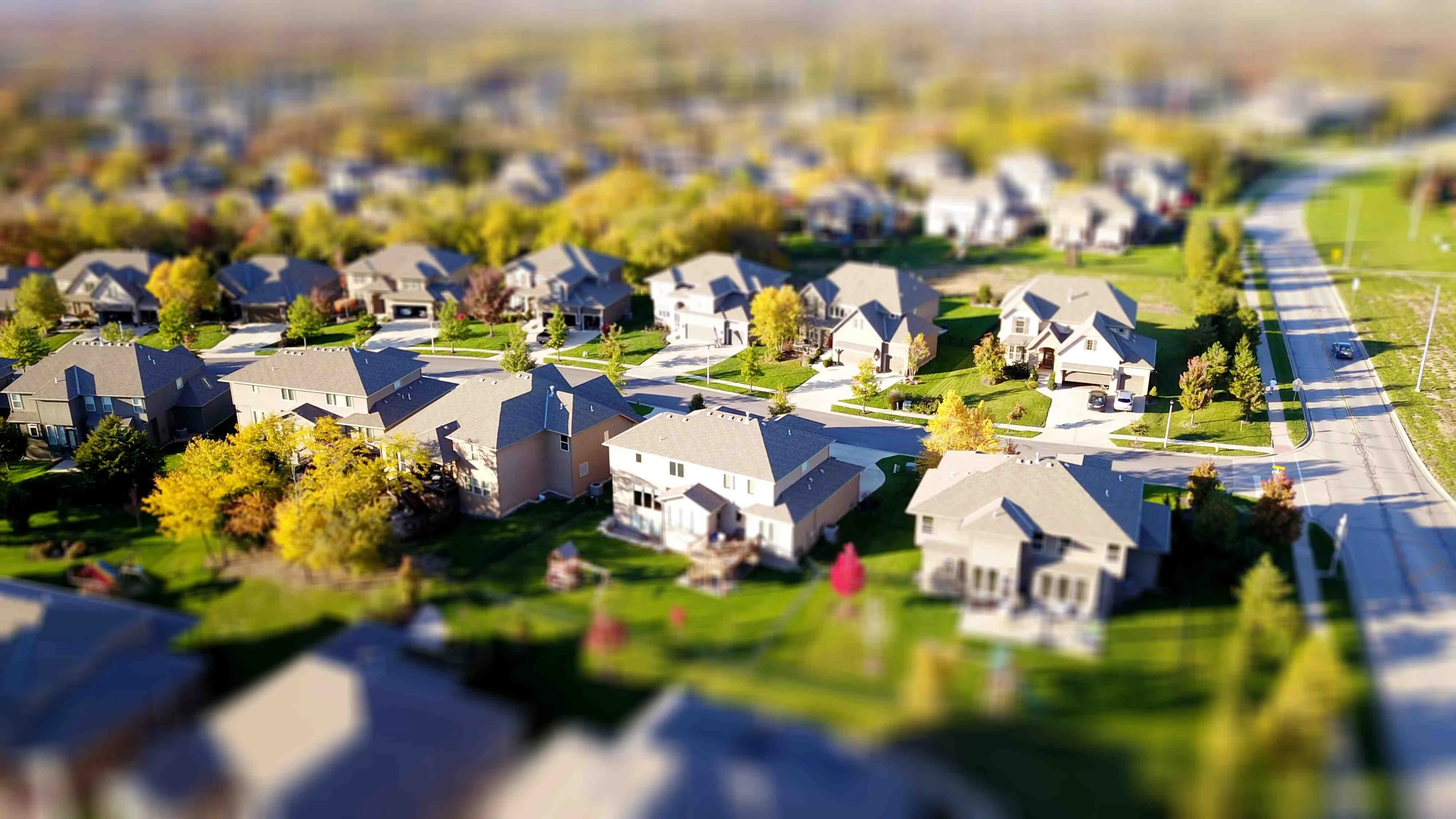
In a suburban development, a real estate developer decided to integrate a conservatory into the design of a new residential community. This conservatory served as a communal space, complete with a community garden and seating areas. The development received recognition for its eco-friendly approach, attracting buyers who appreciated the sustainable amenities.
2. The Urban Retreat
In a bustling urban environment, a developer incorporated conservatories onto the rooftops of a high-rise building. These rooftop conservatories provided residents with private green spaces and scenic views of the city. The environmentally conscious design was a major selling point in the competitive urban real estate market.
3. The Eco-Friendly Office Complex
A forward-thinking real estate developer transformed a rundown industrial space into a cutting-edge office complex. The project included a series of interconnected conservatories that served as shared office spaces and collaborative zones for tenants. The eco-friendly design attracted innovative companies and startups looking for a unique, green working environment.
Practical Considerations for Collaboration
If you"re a real estate developer interested in collaborating on conservatories, there are a few practical considerations to keep in mind:
1. Design Integration
Work closely with architects and conservatory builders to seamlessly integrate these structures into your project. The design should complement the overall aesthetic of the development and create a harmonious living environment.
2. Maintenance
Conservatories require regular maintenance to ensure their longevity. Consider maintenance plans and schedules to keep these spaces in top condition and provide residents with a hassle-free experience.
3. Eco-Friendly Materials
Choose environmentally friendly materials for conservatory construction. Sustainable choices not only align with your project"s green goals but also appeal to eco-conscious buyers and tenants.
4. Community Involvement
Engage with the community to understand their desires and concerns. Collaborative efforts can lead to designs that enrich the neighborhood and benefit everyone.
Conclusion
Collaborating with real estate developers on conservatories represents a win-win situation for both parties involved. Developers gain unique selling points, enhanced property values, and energy-efficient solutions, while conservatories offer residents an improved quality of life and a deeper connection to the natural world.
In a world where sustainability and environmental consciousness are paramount, these collaborations pave the way for greener, more harmonious communities. As real estate developers continue to innovate and embrace sustainable practices, conservatories are poised to play an increasingly integral role in shaping our urban landscapes and creating a brighter, more environmentally responsible future.

Architects and interior designers are two key players in the world of design and construction. While they have distinct roles, their collaboration is often the secret behind the creation of stunning a...
The built environment is not limited to the confines of a structure"s walls. It extends to the surrounding outdoor spaces, which play a crucial role in defining the aesthetics, functionality, and over...
In the world of construction and design, two key players hold the keys to creating safe, innovative, and aesthetically pleasing structures: structural engineers and architects. Together, they form a p...
Light is not merely a functional element in architecture; it"s a dynamic and powerful tool that can transform spaces, enhance aesthetics, and influence human emotions. In the realm of architectural de...
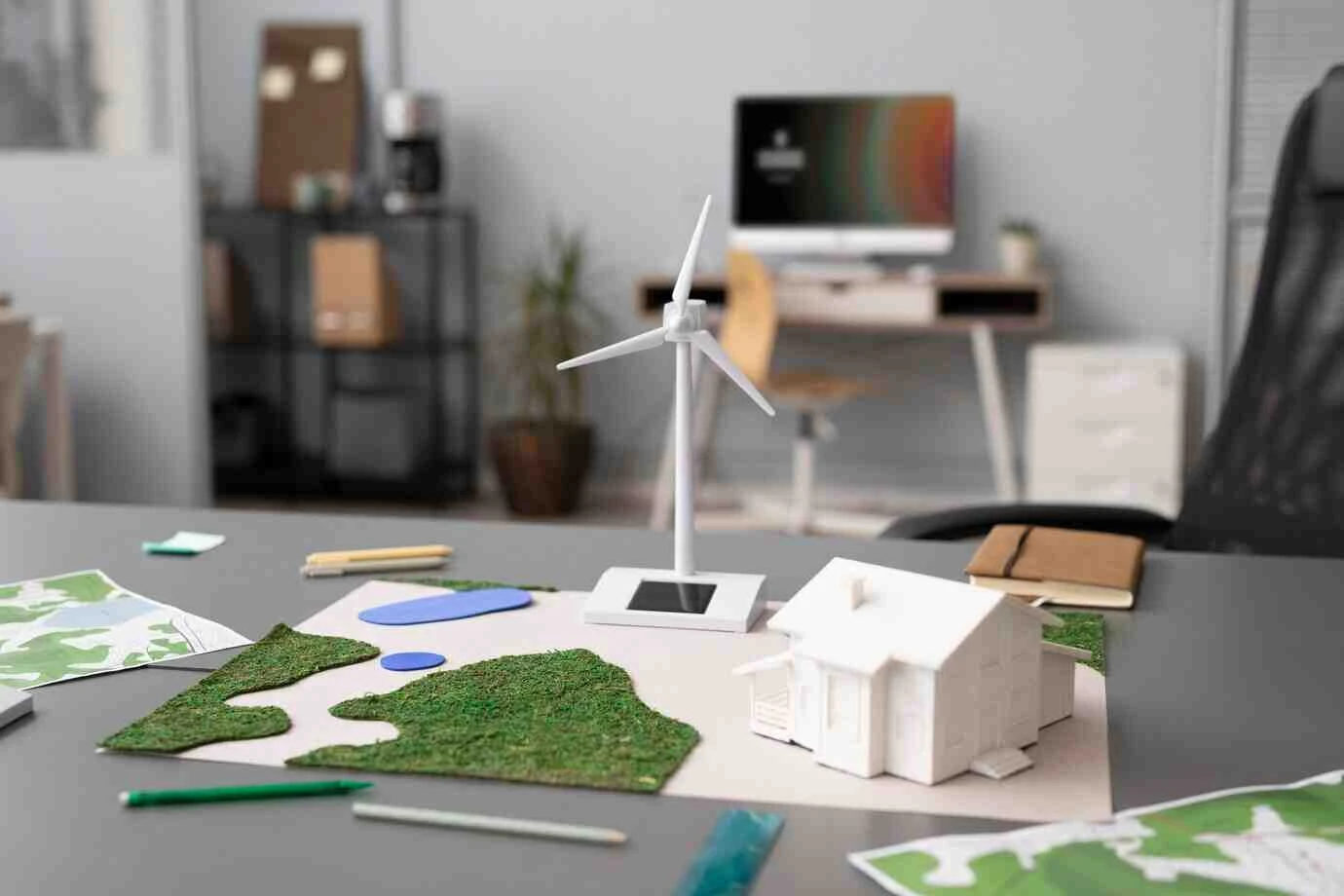
In the pursuit of a sustainable future, architects are emerging as environmental stewards, shaping green building projects that transcend mere construction and instead, aim to harmonize with nature. Y...
The construction industry is a complex web of professionals, each with a unique role to play in bringing architectural visions to life. Among these key players, architects and contractors stand out as...
Sign up to start winning an unlimited amount of jobs near you.


 Electrician
Gas Engineer
Electrician
Gas Engineer


Send more enquiries and explore your options
Increasing the number of potentials leads for you!
Have more control and flexibility over your finances!