



**The Benefits of Collaborating with HVAC Specialists**:
1. **Enhanced Energy Efficiency**: When electrical and HVAC systems are designed and integrated in tandem, they can be optimized for maximum energy efficiency. This results in reduced operational costs and a smaller environmental footprint.
2. **Improved Comfort and Indoor Air Quality**: Coordinated systems allow for precise control over temperature, humidity, and ventilation, which directly impacts the comfort of occupants and indoor air quality.
3. **Cost Savings**: Collaborating with HVAC specialists can lead to cost savings by reducing the risk of design errors and the need for costly retrofits or modifications.
4. **Streamlined Maintenance**: Integrated systems often share common components and monitoring interfaces, making maintenance and troubleshooting more efficient and cost-effective.
5. **Smart Building Capabilities**: Collaborative efforts between electrical and HVAC experts can pave the way for the implementation of smart building technologies, including automation, real-time monitoring, and predictive maintenance.
**A Blueprint for Effective Collaboration with HVAC Specialists**:
1. **Early Engagement**:
Bring HVAC specialists into the project at an early stage. Collaborative input from the beginning can prevent costly design changes and ensure that both systems are aligned with the project"s goals and requirements.
2. **Shared Objectives**:
Set common objectives for the project, including energy efficiency goals, comfort criteria, and environmental targets. This shared vision provides a foundation for decision-making and coordination.
3. **Regular Communication**:
Establish open lines of communication between the electrical and HVAC teams. Regular meetings, progress updates, and the sharing of design documents and plans are essential for alignment.
4. **Unified Design**:
Work together to create a unified electrical and HVAC design that incorporates shared components, such as building controls, sensors, and wiring infrastructure. A single, integrated design can simplify installation and maintenance.
5. **Common Platforms**:
Collaborate to choose common platforms and technologies that allow for seamless communication and data sharing between electrical and HVAC systems. This could involve the use of Building Management Systems (BMS) and Internet of Things (IoT) devices.
6. **Testing and Simulation**:
Utilize testing and simulation tools to evaluate the performance of integrated systems under different conditions and scenarios. This can help identify potential issues and fine-tune the design.
7. **Documentation and Training**:
Ensure that the documentation and training materials for the integrated systems are clear and accessible to all relevant parties. Proper documentation and training facilitate efficient operations and maintenance.
8. **Data Analytics and Monitoring**:
Implement data analytics and real-time monitoring solutions to continuously assess the performance of integrated systems. This allows for proactive maintenance and optimization.
9. **Scalability and Flexibility**:
Consider future needs and scalability when designing integrated systems. The ability to adapt to changes in building use, energy demands, and technological advancements is essential.
10. **Feedback and Improvement**:
Establish a feedback loop for both electrical and HVAC teams to share experiences and suggest improvements. Continuously look for opportunities to enhance system performance and collaboration.
In conclusion, collaborating with HVAC specialists for electrical integration is not just about combining systems but about achieving synergy. This collaborative approach results in energy-efficient, comfortable, and smart buildings that benefit both the environment and the occupants. By following the blueprint outlined in this blog, electrical contractors can work in tandem with HVAC specialists to ensure seamless integration, cost savings, and superior project outcomes.

Architects and interior designers are two key players in the world of design and construction. While they have distinct roles, their collaboration is often the secret behind the creation of stunning a...

The built environment is not limited to the confines of a structure"s walls. It extends to the surrounding outdoor spaces, which play a crucial role in defining the aesthetics, functionality, and over...
In the world of construction and design, two key players hold the keys to creating safe, innovative, and aesthetically pleasing structures: structural engineers and architects. Together, they form a p...

Light is not merely a functional element in architecture; it"s a dynamic and powerful tool that can transform spaces, enhance aesthetics, and influence human emotions. In the realm of architectural de...
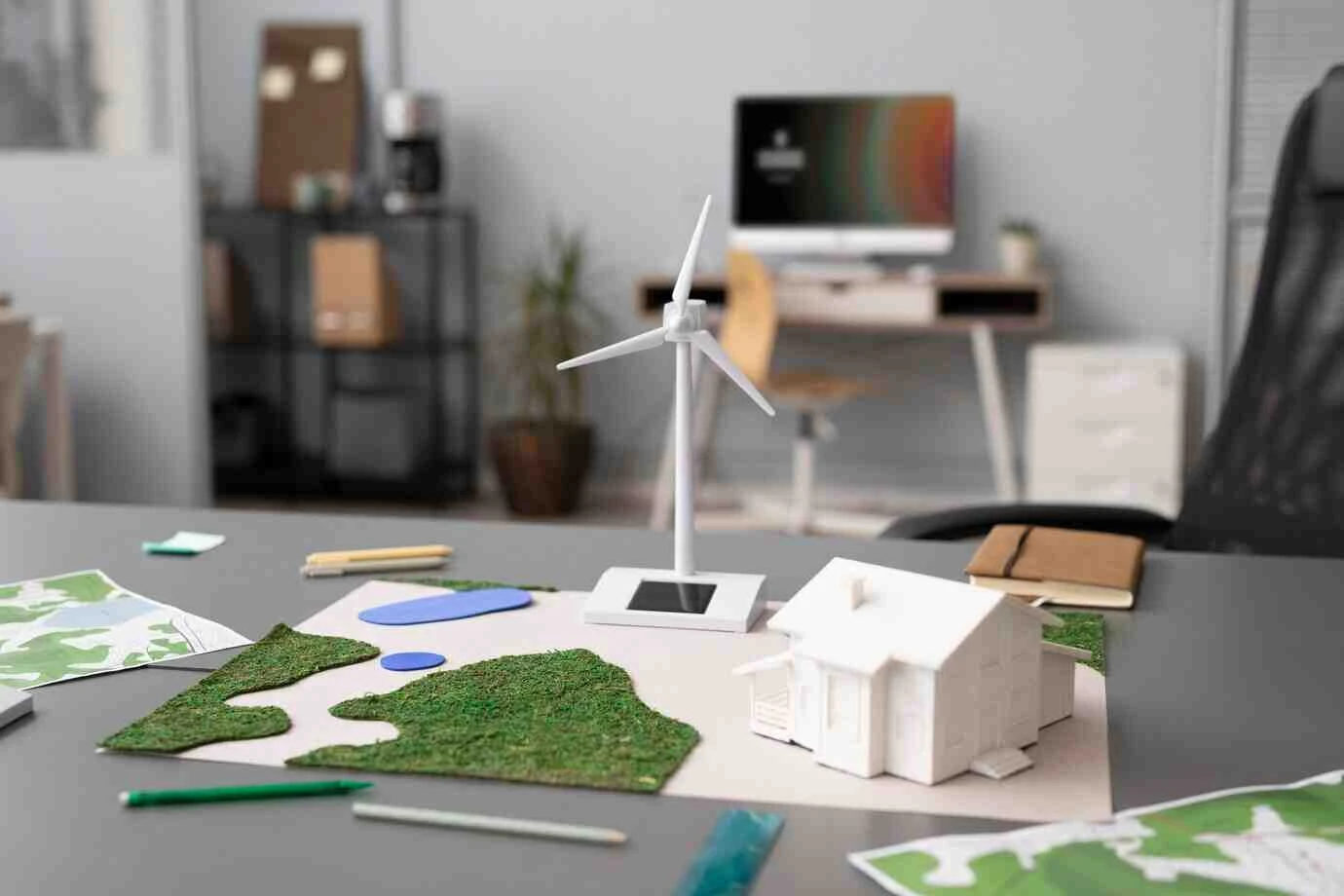
In the pursuit of a sustainable future, architects are emerging as environmental stewards, shaping green building projects that transcend mere construction and instead, aim to harmonize with nature. Y...

The construction industry is a complex web of professionals, each with a unique role to play in bringing architectural visions to life. Among these key players, architects and contractors stand out as...
Sign up to start winning an unlimited amount of jobs near you.


 Electrician
Gas Engineer
Electrician
Gas Engineer


Send more enquiries and explore your options
Increasing the number of potentials leads for you!
Have more control and flexibility over your finances!