


Understanding the Underlayment: What Is It?
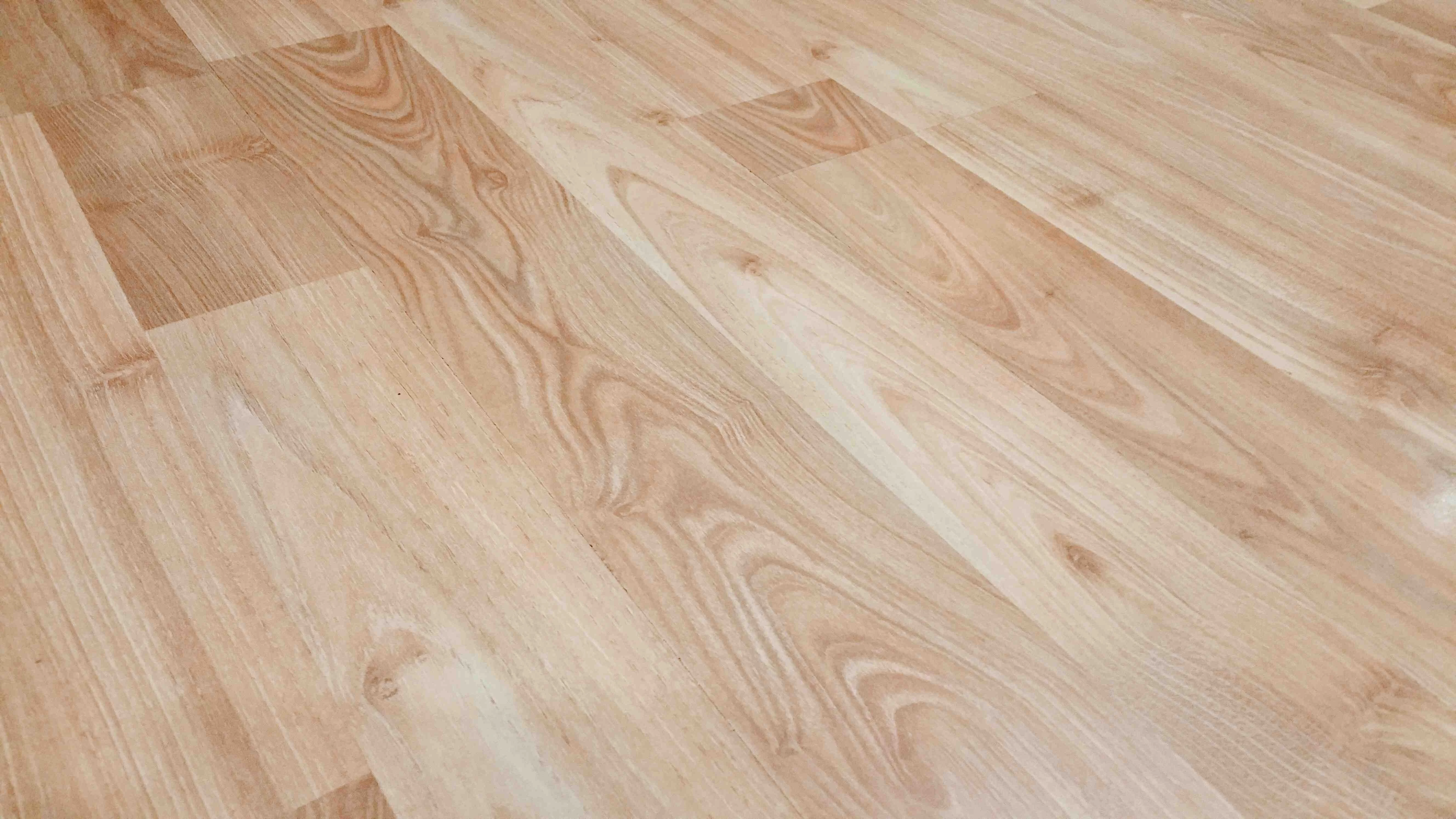
Before we dive into the nitty-gritty of choosing the right underlayment, let"s clarify what it is. An underlayment is a thin material that is placed between the subfloor and the flooring material itself. Its primary function is to provide a smooth, level surface for your flooring and to absorb impact and noise. Different types of underlayments are designed for specific flooring types and purposes.
The Flooring Type Matters
The first step in choosing the right underlayment is to consider the type of flooring you plan to install. Here are some common flooring types and the underlayments that complement them:
Hardwood Flooring: For hardwood floors, engineered or solid, it"s essential to use an underlayment that provides cushioning and sound insulation. Cork or foam underlayments are excellent choices.
Laminate Flooring: Laminate flooring benefits from underlayments that offer moisture protection and noise reduction. Rubber or foam underlayments work well.
Carpet Flooring: Carpet underlayments come in various thicknesses to provide the desired level of cushioning. Thicker underlayments offer more comfort and insulation.
Tile Flooring: For tile floors, it"s crucial to use an underlayment that resists moisture to prevent damage over time. Cement backer board is a popular choice.
Consider Your Subfloor
The condition of your subfloor also impacts your choice of underlayment. If your subfloor has imperfections or is prone to moisture issues, it"s crucial to select an underlayment that addresses these concerns. Moisture barriers and self-leveling underlayments can help ensure a smooth, durable installation.
Sound Insulation Matters
If noise is a concern in your space, whether it"s footsteps echoing through the house or a noisy neighbor downstairs, investing in an underlayment with sound insulation properties can be a game-changer. Look for underlayments with high Sound Transmission Class (STC) and Impact Insulation Class (IIC) ratings to reduce sound transfer.
Climate Considerations
Your geographic location and climate can also impact your underlayment choice. In areas with high humidity or moisture levels, selecting an underlayment with moisture-resistant properties can prevent issues like mold and mildew growth under your flooring.
Installation and Maintenance
When choosing an underlayment, consider the ease of installation. Some underlayments require professional installation, while others can be DIY-friendly. Additionally, think about long-term maintenance. Will your underlayment require regular upkeep, or is it relatively maintenance-free?
Budgetary Considerations
Lastly, factor in your budget. While it"s tempting to opt for the most expensive underlayment, you can often find a suitable underlayment that meets your needs without breaking the bank. Remember that investing in a quality underlayment can extend the lifespan of your flooring, saving you money in the long run.
In conclusion, choosing the right underlayment for your flooring is a decision that shouldn"t be taken lightly. It"s an investment in the comfort, durability, and aesthetics of your space. By considering your flooring type, subfloor condition, sound insulation needs, climate, ease of installation, maintenance, and budget, you can make an informed choice that will leave you walking on solid ground for years to come.

Introduction: In carpentry, time is money, and workflow is the pulse that keeps the business alive. Yet, many carpenters need help with a disjointed workflow, stifling efficiency and sapping the joy o...
.webp)
Introduction: Carpentry more than just a trade, is an art form. The journey to mastery involves constantly honing one"s skills, a voyage where every chisel stroke and nail-driven shapes not just ...

In the world of woodworking, every piece of timber tells a story - a tale of craftsmanship, dedication, and wisdom. For aspiring woodworkers and seasoned artisans alike, this blog is a collection of T...

In the world of woodworking, every piece crafted is a note in the symphony of a carpenter"s career. Yet, to compose a melodious tune, one must prioritize the conductor - their health and longevity. Th...

In carpentry, precision isn"t just about chiselling wood; it"s about chiselling a successful business. Financial stability and growth are the building blocks of a carpentry enterprise. Welcome to "Cra...

In the world of woodworking, creating something beautiful is not just an art—it"s a responsibility. A responsibility towards the craft, the client, and most importantly, the safety and well-bein...
Sign up to start winning an unlimited amount of jobs near you.


 Electrician
Gas Engineer
Electrician
Gas Engineer


Send more enquiries and explore your options
Increasing the number of potentials leads for you!
Have more control and flexibility over your finances!