


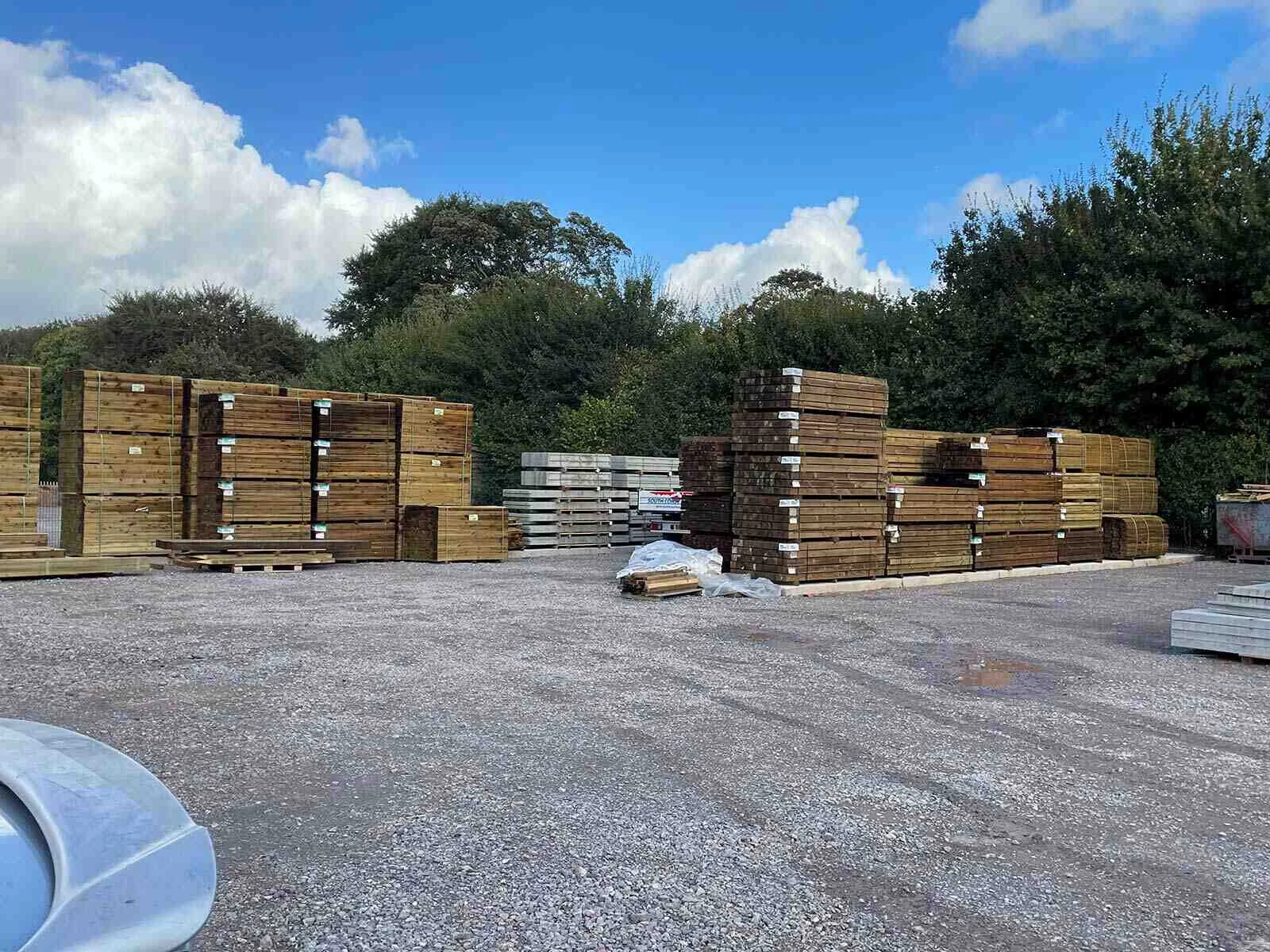
**1. Define Your Objectives**
Before you start browsing fence designs, it"s essential to define your project"s primary objectives. Ask yourself:
- What is the main purpose of the fence? Is it for privacy, security, or aesthetics?
- Do you want a fence to enclose a specific area or border your property as a whole?
- Are you looking to increase curb appeal or add value to your property?
- What is your budget for the project?
Clear objectives will guide your decision-making process and help you prioritize design elements.
**2. Consider Your Property"s Style and Aesthetics**
Your fence should complement your property"s architectural style and aesthetics. Consider factors such as:
- Architectural style: Choose a fence design that harmonizes with the architectural style of your home or building. For example, a sleek, modern fence may clash with a historic Victorian home.
- Colors and Materials: Decide on the materials and colors that will blend well with your property"s existing elements. For instance, a wooden fence may complement a rustic landscape, while a steel fence might be a better fit for a contemporary setting.
**3. Evaluate Privacy Needs**
The level of privacy you desire will influence your choice of fence design. Here are some considerations:
- **Solid vs. Open Design:** Solid fences like wooden panels or vinyl provide complete privacy, while open designs like chain-link or picket fences allow visibility through the fence.
- **Height:** Taller fences offer more privacy, but they may need to comply with local regulations and may have an impact on your property"s aesthetics.
**4. Assess Security Requirements**
Security is a top priority for many property owners. Depending on your security needs, you can choose from various design elements:
- **Height:** Taller fences with sturdy materials provide enhanced security and deter trespassers.
- **Gate Access:** Use secure locking mechanisms and gate designs that align with your security goals.
- **Material:** Materials like steel or aluminum can offer robust security options, while wooden fences may require additional security features.
**5. Neighborhood Regulations and Codes**
Local regulations and homeowners" association guidelines may restrict your fence design options. Be sure to:
- Consult local building codes to determine height, materials, and location restrictions.
- Check with your homeowners" association for any community-specific regulations or design guidelines.
**6. Maintenance and Longevity**
Consider the maintenance requirements and longevity of your chosen fence design. Some materials, like vinyl and composite, require minimal maintenance, while wood may need regular staining or painting.
**7. Consult a Professional**
If you"re uncertain about the right fence design for your project, don"t hesitate to consult a fencing professional. They can provide expert advice on the best materials and styles that suit your needs and budget.
**8. Budget Considerations**
Your budget will play a significant role in your choice of fence design. Evaluate the costs associated with materials, installation, and long-term maintenance to ensure that your selected design aligns with your financial resources.
**Conclusion**
Choosing the right fence design for your project is a balance between functionality, aesthetics, and compliance with local regulations. By defining your objectives, considering your property"s style, evaluating privacy and security needs, and assessing maintenance requirements, you can make an informed decision that enhances your property"s value and appearance. Consulting with a professional is a valuable step to ensure your chosen design aligns with your goals and budget.

In the era of climate change and environmental consciousness, sustainable building practices have gained immense importance. One of the critical aspects of sustainable construction is the selection of...
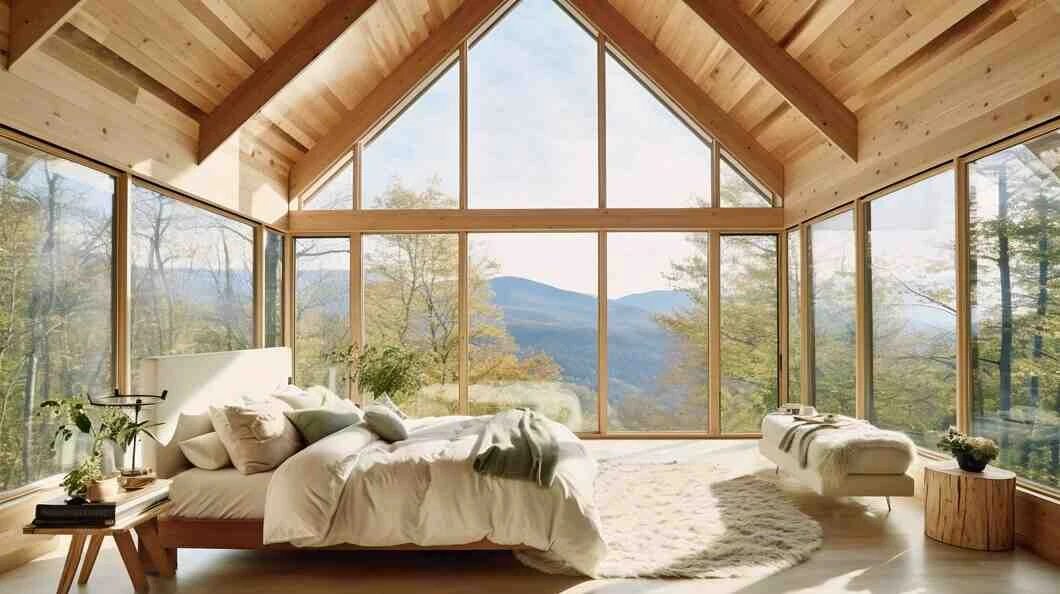
When it comes to making our homes and buildings more energy-efficient, insulation materials play a crucial role. They help regulate indoor temperatures, reduce energy consumption, and lower heating an...

Smart building technologies have revolutionized the way we design, construct, and manage buildings. These technologies leverage the power of the Internet of Things (IoT) to enhance building ef...
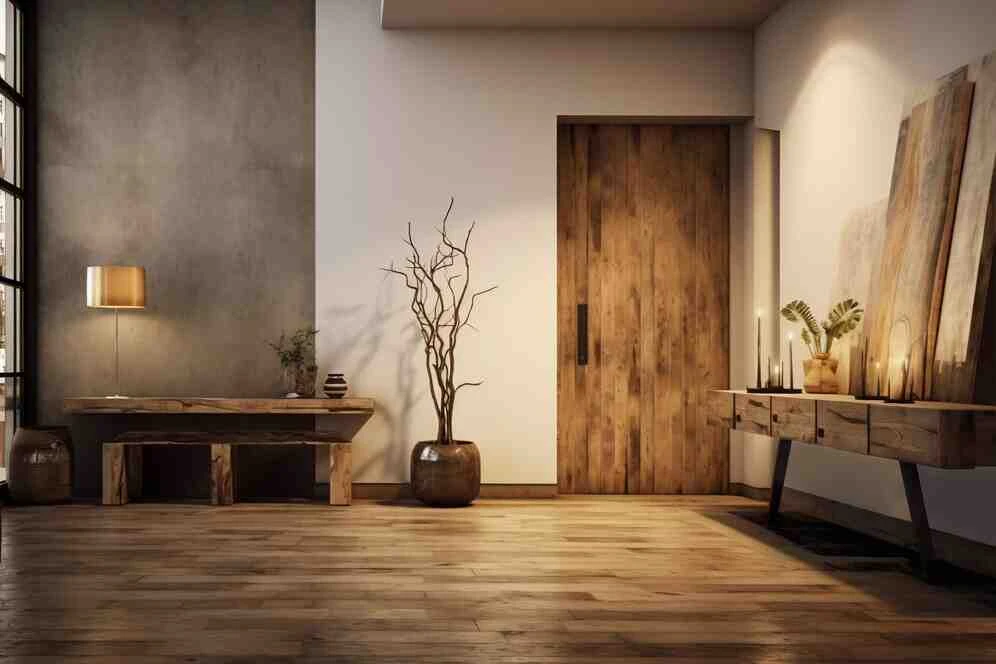
Selecting the right flooring material is a crucial decision when it comes to interior design and construction projects. Flooring not only impacts the aesthetics of a space but also affects its functio...
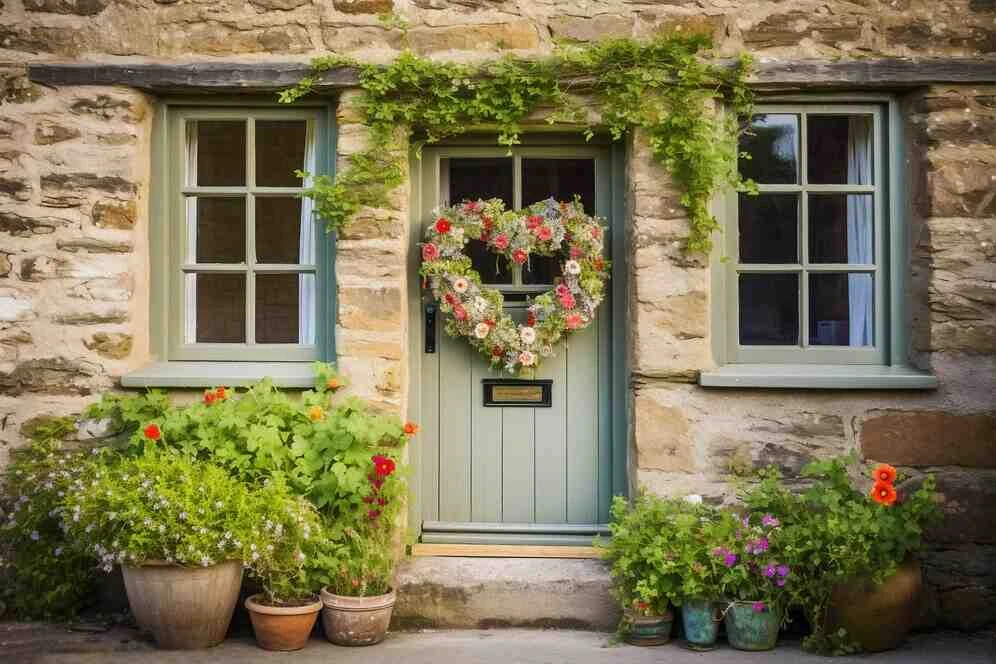
Windows and doors are more than just functional components of a building; they are key architectural elements that can dramatically impact a structure"s aesthetics, energy efficiency, and overall appe...

Innovative structural materials have been at the forefront of modern construction, pushing the boundaries of what is possible in terms of strength, sustainability, and design. As the construction indu...
Sign up to start winning an unlimited amount of jobs near you.


 Electrician
Gas Engineer
Electrician
Gas Engineer


Send more enquiries and explore your options
Increasing the number of potentials leads for you!
Have more control and flexibility over your finances!