


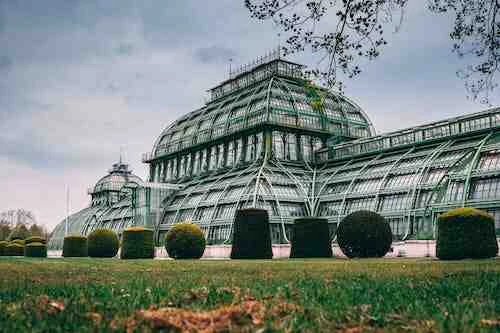
The Role of a Conservatory
Before diving into the specifics of flooring materials, it"s essential to understand the purpose of your conservatory. Typically, a conservatory is designed to be an extension of your living space, allowing you to enjoy the beauty of your garden while remaining protected from the elements. This multifunctional space can serve as a place for relaxation, dining, gardening, or even as a home office.
Because of its unique role, the conservatory flooring should meet a range of requirements. It needs to be both visually appealing and functional, capable of withstanding temperature fluctuations, moisture, and providing a comfortable surface for various activities.
Common Conservatory Flooring Options
Ceramic or Porcelain Tiles:
Ceramic or porcelain tiles are a popular choice for conservatories. They come in a variety of styles, colors, and textures, making it easy to find the perfect match for your décor. These tiles are durable, resistant to moisture, and easy to clean, which makes them an ideal choice for conservatories that receive plenty of natural light.
The downside of ceramic or porcelain tiles is that they can feel cold underfoot, especially during the winter. However, you can install underfloor heating to address this issue.
Laminate Flooring:
Laminate flooring is a cost-effective option that can mimic the look of hardwood or stone. It is easy to maintain, durable, and offers good resistance to moisture, making it a viable choice for conservatories.
On the flip side, laminate flooring can be noisy underfoot, and it may not handle heavy traffic as well as other materials. Additionally, it can be damaged by excessive exposure to sunlight, so it"s essential to choose a high-quality product with UV protection.
Engineered Wood Flooring:
Engineered wood flooring is a great choice if you want the warmth and natural beauty of wood in your conservatory. It consists of multiple layers of wood pressed together, providing better stability and resistance to moisture compared to solid wood.
However, it"s essential to note that engineered wood may still expand and contract due to temperature and humidity changes. Therefore, it"s best to select an engineered wood flooring specifically designed for conservatory use.
Vinyl Flooring:
Vinyl flooring is a versatile and budget-friendly option. It comes in a wide range of designs, including wood and stone patterns, and it"s highly resistant to water and stains. Vinyl is comfortable underfoot and can be installed with underfloor heating.
The drawback of vinyl is that it can show wear and tear over time, and it may not have the same level of luxury as other materials like hardwood or natural stone.
Natural Stone Flooring:
If you"re looking for a timeless and luxurious look, natural stone flooring is an excellent choice. Options like marble, slate, and limestone not only look stunning but also have excellent thermal mass properties, helping to maintain a comfortable temperature in your conservatory.
On the downside, natural stone can be expensive and may require more maintenance than other materials. It can also feel cold underfoot without heating.
Carpeting:
Carpet is an option that provides comfort and warmth to your conservatory. It"s a great choice for creating a cozy and inviting atmosphere. You can choose from various carpet materials, patterns, and colors to match your style.
Keep in mind that carpet can be more challenging to clean and maintain, especially if you have plants in your conservatory that shed leaves or soil.
Factors to Consider
When choosing the right conservatory flooring material, there are several important factors to consider:
Climate and Temperature: Think about your local climate and how your conservatory will be used throughout the year. Flooring materials like natural stone and ceramic tiles can help regulate temperature, while options like laminate may require underfloor heating for comfort in colder climates.
Maintenance: Consider how much time and effort you"re willing to invest in maintenance. Some materials, like carpet, may require more care than others, such as vinyl or laminate.
Aesthetic Preferences: The look and style of your conservatory are essential. Think about how the flooring material will complement the overall design and feel of the space.
Budget: Different flooring materials come with varying price tags. Ensure that your choice aligns with your budget for the project.
Durability: Evaluate the durability of the flooring material, especially if your conservatory will experience heavy foot traffic.
Comfort: Consider the comfort factor, especially if you plan to spend a lot of time in your conservatory. Options like carpet or natural stone provide a comfortable surface underfoot.
Installation: Some flooring materials may require professional installation, adding to the overall cost. Others, like laminate or vinyl, can be installed as a DIY project.
Conclusion
Choosing the right conservatory flooring material is a decision that should balance both aesthetics and practicality. Your choice should not only enhance the overall appeal of your space but also provide comfort, durability, and functionality. Consider your local climate, budget, and the specific use of your conservatory when making this important decision. Whether you opt for the timeless elegance of natural stone or the versatility of vinyl, your choice should reflect your unique style and meet the needs of your conservatory, creating a space you can enjoy throughout the year.
Introduction: In carpentry, time is money, and workflow is the pulse that keeps the business alive. Yet, many carpenters need help with a disjointed workflow, stifling efficiency and sapping the joy o...
.webp)
Introduction: Carpentry more than just a trade, is an art form. The journey to mastery involves constantly honing one"s skills, a voyage where every chisel stroke and nail-driven shapes not just ...
In the world of woodworking, every piece of timber tells a story - a tale of craftsmanship, dedication, and wisdom. For aspiring woodworkers and seasoned artisans alike, this blog is a collection of T...
In the world of woodworking, every piece crafted is a note in the symphony of a carpenter"s career. Yet, to compose a melodious tune, one must prioritize the conductor - their health and longevity. Th...
In carpentry, precision isn"t just about chiselling wood; it"s about chiselling a successful business. Financial stability and growth are the building blocks of a carpentry enterprise. Welcome to "Cra...

In the world of woodworking, creating something beautiful is not just an art—it"s a responsibility. A responsibility towards the craft, the client, and most importantly, the safety and well-bein...
Sign up to start winning an unlimited amount of jobs near you.


 Electrician
Gas Engineer
Electrician
Gas Engineer


Send more enquiries and explore your options
Increasing the number of potentials leads for you!
Have more control and flexibility over your finances!