



The Importance of Certification
Before delving into the updates and changes, let"s understand why certification in the hearth industry is essential. Hearth products, including fireplaces, stoves, and inserts, play a crucial role in heating our homes. Safety, efficiency, and environmental considerations are paramount in this industry. Certification ensures that products meet specific standards, reassuring consumers that they are investing in a safe and environmentally responsible solution.
Historically, certifications like UL (Underwriters Laboratories) and CSA (Canadian Standards Association) have been the go-to marks of quality and safety in the hearth industry. These certifications have been synonymous with peace of mind for consumers, but the industry has evolved, and new standards have emerged.
Certification Updates
As technology and industry standards have evolved, certification processes have adapted to keep pace. Some of the key certification updates in the hearth industry include:
EPA"s 2020 New Source Performance Standards (NSPS): The Environmental Protection Agency (EPA) introduced new NSPS regulations, which impacted wood and pellet stoves and wood-burning fireplace inserts. These regulations set stricter emission limits, forcing manufacturers to develop more efficient and cleaner-burning products.
Energy Star Program: The Energy Star program now includes wood and pellet stoves as certified products. This label helps consumers identify high-efficiency hearth appliances, making it easier for them to choose environmentally friendly options that reduce their energy bills.
CSA B415.1-10 Standard: The Canadian Standards Association updated the CSA B415.1-10 standard for solid-fuel-burning appliances. This update ensures that hearth appliances adhere to rigorous safety and performance criteria.
Ecodesign Regulations: In Europe, Ecodesign regulations aim to reduce emissions and improve energy efficiency for heating appliances. These standards have had a significant influence on the design and production of hearth products worldwide.
Certification Programs for Low Emission Wood-Burning Appliances: Various certification programs and initiatives have emerged, focusing on low-emission wood-burning appliances. These programs encourage manufacturers to produce hearth products that are environmentally responsible and have reduced carbon footprints.
Incentives for High-Efficiency Products: Some regions offer incentives and rebates for purchasing high-efficiency hearth products. These incentives motivate consumers to invest in cleaner and more efficient heating solutions, reducing the overall environmental impact.
Implications for Consumers
The updates and changes in the hearth industry"s certification landscape have significant implications for consumers. Here are some of the key takeaways:
Improved Safety: Updated certification standards mean that consumers can trust that the hearth products they purchase meet the latest safety criteria, reducing the risk of accidents and hazards.
Energy Efficiency: With the inclusion of hearth products in the Energy Star program, consumers can now easily identify energy-efficient options that not only reduce their environmental footprint but also lower their energy bills.
Environmental Responsibility: Stricter emissions standards and the Ecodesign regulations push manufacturers to create hearth appliances with reduced emissions and improved environmental performance. Consumers can contribute to a greener planet by choosing these certified products.
Cost Savings: High-efficiency hearth products, eligible for incentives and rebates, provide consumers with opportunities for significant cost savings over time, balancing out the initial investment.
Implications for Manufacturers
Manufacturers in the hearth industry face several challenges and opportunities as they adapt to certification updates and changes:
Innovation: To meet the stricter standards and certifications, manufacturers must continually innovate and develop more efficient, cleaner-burning, and environmentally friendly products.
Market Advantage: Manufacturers that embrace certification changes and create products meeting the latest standards gain a competitive edge. Consumers are increasingly seeking certified products that offer safety, efficiency, and environmental benefits.
Expanded Market Reach: Compliance with international standards, such as Ecodesign regulations, allows manufacturers to expand their market reach and tap into global consumer demand for environmentally responsible products.
Regulatory Compliance: Staying informed about and complying with the latest certification standards is essential to avoid legal issues and maintain a positive reputation in the market.
Conclusion
The hearth industry"s certification landscape is evolving to reflect changing consumer preferences, environmental concerns, and advancements in technology. As consumers become more conscious of the environmental impact of their choices, the hearth industry has responded with stricter standards and certifications that promote safety, efficiency, and environmental responsibility.
For consumers, these changes mean a safer, more energy-efficient, and environmentally friendly range of hearth products to choose from. For manufacturers, it presents opportunities for innovation, market expansion, and a competitive advantage. As the hearth industry continues to adapt and evolve, it"s essential for both consumers and manufacturers to stay informed about the latest certification updates and changes, ensuring a warm and sustainable future for all.

The world of carpentry is buzzing with innovations, trends, and transformative technologies. For carpenters, keeping up with these changes isn"t just about staying ahead in the game; it"s about ensuri...

In an era where technology weaves through every facet of our lives, the carpentry profession is no exception to its transformative power. Welcome to "Carpentry Chronicles," a blog series dedicated to ...

Welcome to "Carpentry Chronicles," a blog series dedicated to navigating the ever-evolving landscape of carpentry. In this edition, we dive into a trend reshaping the carpentry domain—customizat...

In the bustling world of carpentry, safety isn"t just a precaution; it"s a fundamental necessity. Welcome to "Carpentry Chronicles," a blog series committed to navigating the ever-evolving landscape o...

In carpentry, where wood meets creativity, mastery is not just a goal; it"s a journey. Welcome to "Carpentry Chronicles," a blog series that peels back the layers of carpentry to reveal the artistry a...
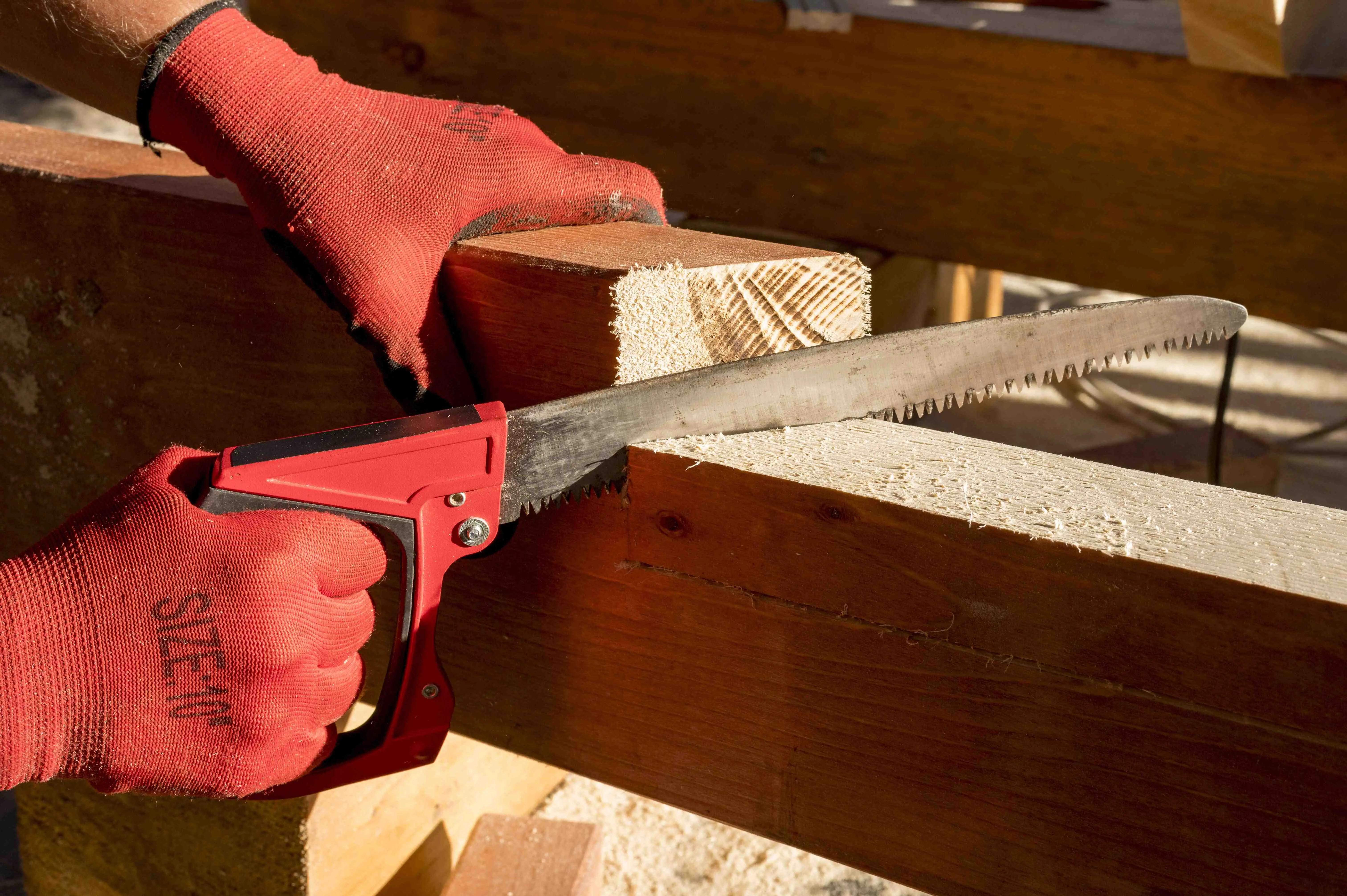
In the ever-evolving design landscape, where trends come and go, one element stands timeless—wood. Welcome to "Carpentry Chronicles," a blog series committed to navigating the dynamic world of c...
Sign up to start winning an unlimited amount of jobs near you.


 Electrician
Gas Engineer
Electrician
Gas Engineer


Send more enquiries and explore your options
Increasing the number of potentials leads for you!
Have more control and flexibility over your finances!