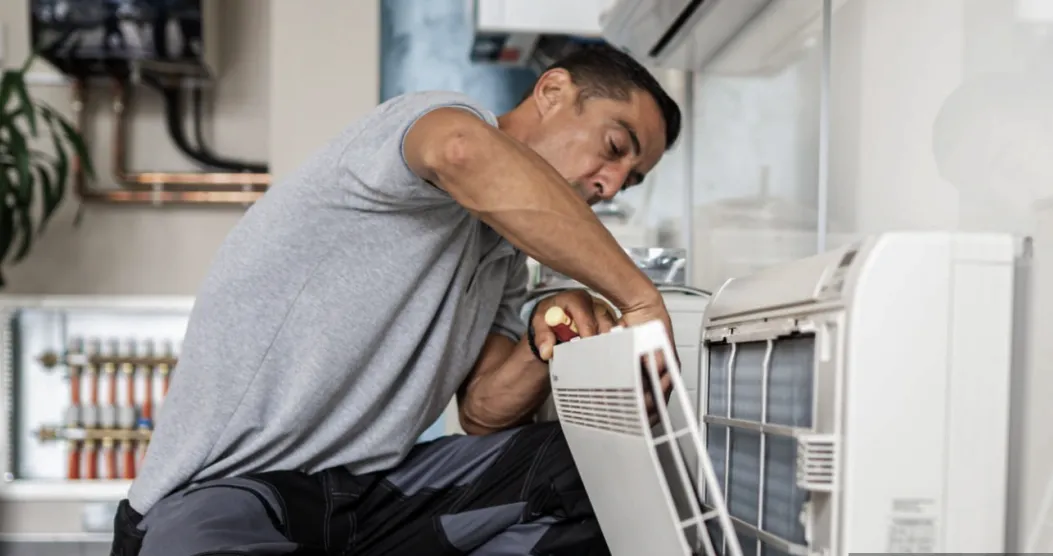



The Importance of Certifications in the Conservatory Industry
Certifications serve as a foundation for ensuring quality, safety, and compliance in the conservatory industry. They provide customers with the assurance that the products and services they are investing in meet recognized industry standards. Furthermore, certifications can help conservatory professionals stay competitive and enhance their credibility.
In recent years, several developments have shaped the certification landscape in the conservatory industry, and these changes are essential for both industry professionals and consumers to understand.
Sustainable Conservatories
Sustainability has become a dominant theme in the construction industry, and conservatories are no exception. As concerns about climate change and environmental impact grow, conservatory certifications are adapting to reflect the importance of sustainability.
The "Green Conservatory Certification" is one such development. This certification focuses on ensuring that conservatories are designed and constructed with eco-friendly materials, energy-efficient systems, and minimal environmental impact. This shift not only aligns with the global sustainability movement but also provides consumers with the opportunity to reduce their carbon footprint.
Energy Efficiency
Energy efficiency is another critical aspect of modern conservatories. Many homeowners use their conservatories year-round, which makes heating and cooling systems a significant consideration. Certifications now emphasize the importance of energy-efficient glass, insulation, and ventilation systems.
The "Energy-Star Conservatory" certification has been introduced to promote energy-efficient practices in conservatory construction. This certification is a win-win, as it not only helps consumers reduce their energy bills but also contributes to the global effort to reduce energy consumption.
Structural Safety
Conservatories are often subject to extreme weather conditions and require careful design and construction to ensure structural safety. To address this concern, the "Structural Integrity Certification" has been introduced.
This certification focuses on testing the conservatory"s durability, wind resistance, and load-bearing capacity. By obtaining this certification, conservatory professionals can assure their clients that their structures can withstand the harshest weather conditions.
Health and Well-being
The concept of "Biophilic Design" has gained momentum in the conservatory industry. Biophilic design focuses on creating spaces that connect people with nature, promoting health and well-being. Certifications now address the incorporation of biophilic principles into conservatory design.
The "Biophilic Conservatory Certification" ensures that the conservatory design maximizes natural light, uses natural materials, and provides a sense of connection with the outdoors. This not only enhances the conservatory"s aesthetics but also contributes to the occupants" physical and mental well-being.
Accessibility and Inclusivity
Inclusivity and accessibility are vital considerations in modern construction, and the conservatory industry is no exception. The "Accessible Conservatory Certification" has been introduced to ensure that conservatories are designed and constructed to accommodate people of all abilities.
This certification covers features such as wheelchair ramps, wide doorways, and accessible seating areas. It is a testament to the industry"s commitment to making conservatories welcoming and usable for everyone.
The Impact of These Changes
The evolving certification landscape has a significant impact on both professionals and consumers in the conservatory industry.
For Conservatory Professionals:
Increased competitiveness: Professionals who obtain these new certifications set themselves apart in a crowded market, attracting clients who prioritize sustainability, energy efficiency, safety, well-being, and accessibility.
Skill enhancement: Pursuing these certifications often involves further education and training, leading to a more knowledgeable and skilled workforce.
Enhanced reputation: By adhering to these standards, conservatory professionals can improve their reputation and gain trust in the eyes of consumers.
For Consumers:
Peace of mind: Consumers can confidently invest in conservatories knowing they meet the latest standards for sustainability, energy efficiency, safety, well-being, and accessibility.
Long-term cost savings: Energy-efficient conservatories can lead to lower energy bills, making them a more financially sustainable choice.
Quality assurance: Certifications provide consumers with a guarantee of quality and safety, reducing the risk of costly maintenance and repairs.
Conclusion
The conservatory industry is evolving to meet the changing needs and expectations of consumers in a world increasingly focused on sustainability, energy efficiency, safety, well-being, and inclusivity. As a result, the certification landscape in the conservatory industry has adapted to ensure that professionals adhere to these standards.
Whether you"re a conservatory professional looking to stay competitive in the industry or a consumer considering investing in a conservatory, these certification updates and changes are a positive step towards a greener, safer, and more inclusive future. Keep an eye on these evolving standards to make the most informed decisions in the ever-changing world of conservatories.
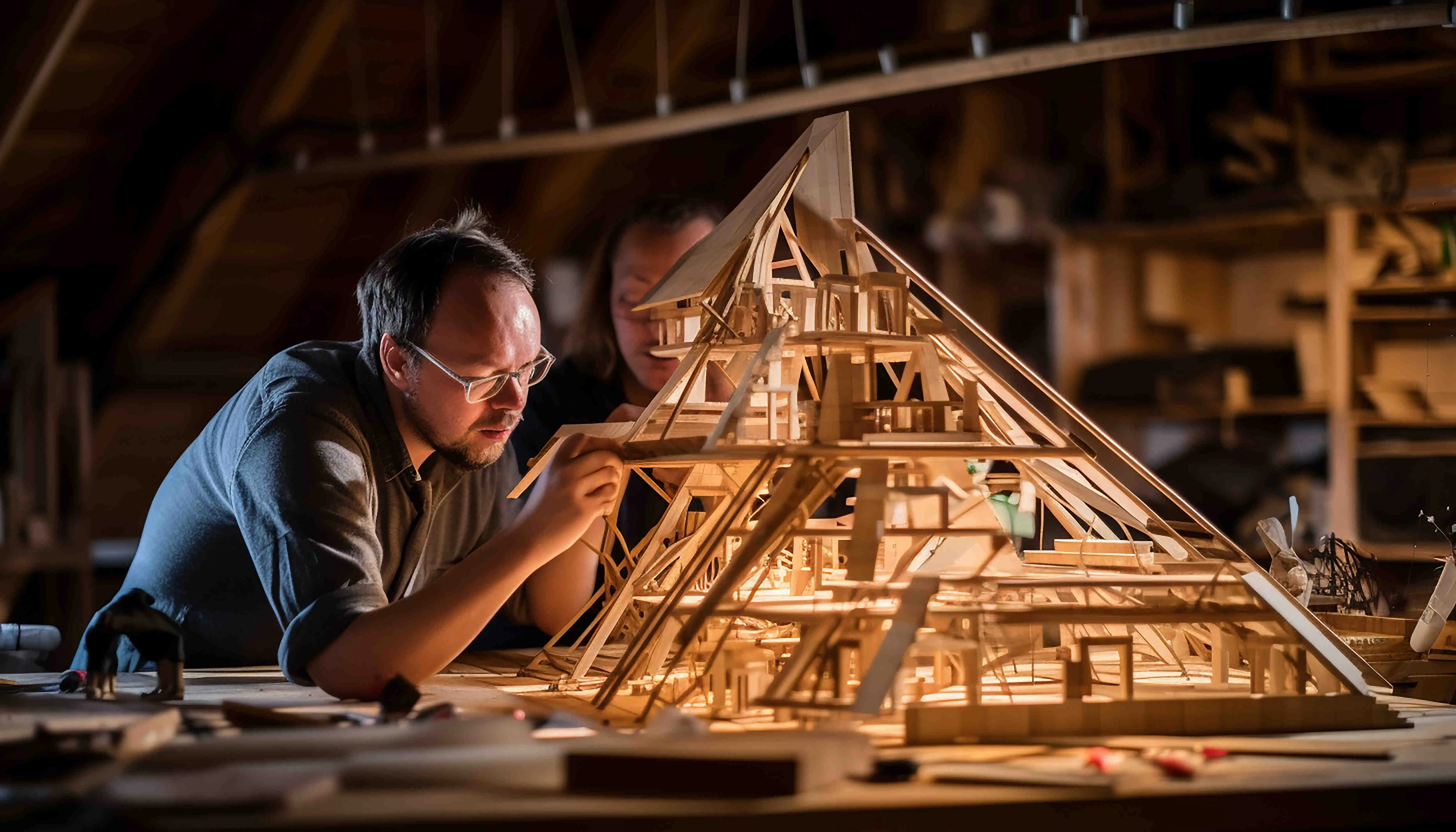
The world of carpentry is buzzing with innovations, trends, and transformative technologies. For carpenters, keeping up with these changes isn"t just about staying ahead in the game; it"s about ensuri...

In an era where technology weaves through every facet of our lives, the carpentry profession is no exception to its transformative power. Welcome to "Carpentry Chronicles," a blog series dedicated to ...

Welcome to "Carpentry Chronicles," a blog series dedicated to navigating the ever-evolving landscape of carpentry. In this edition, we dive into a trend reshaping the carpentry domain—customizat...
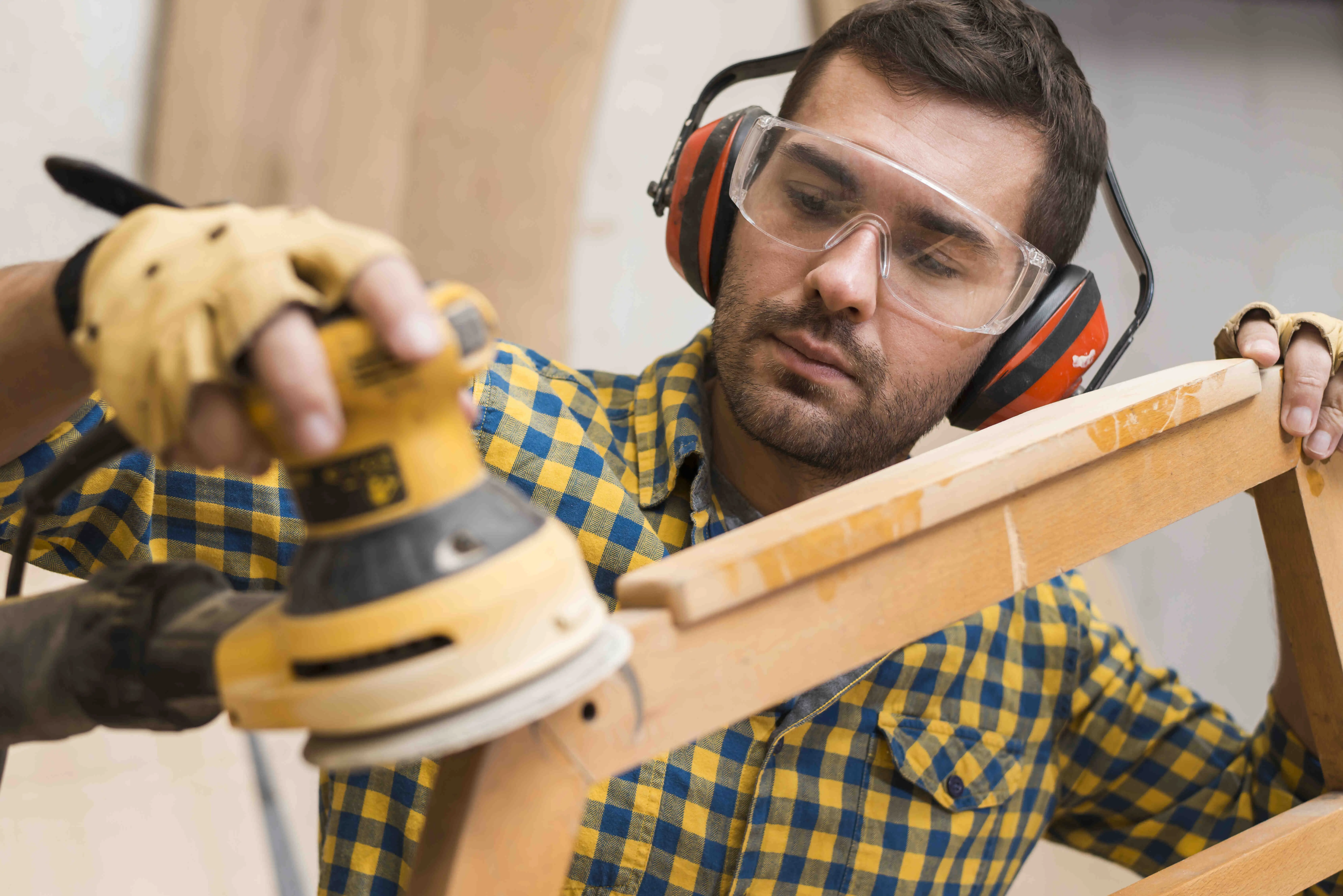
In the bustling world of carpentry, safety isn"t just a precaution; it"s a fundamental necessity. Welcome to "Carpentry Chronicles," a blog series committed to navigating the ever-evolving landscape o...
In carpentry, where wood meets creativity, mastery is not just a goal; it"s a journey. Welcome to "Carpentry Chronicles," a blog series that peels back the layers of carpentry to reveal the artistry a...
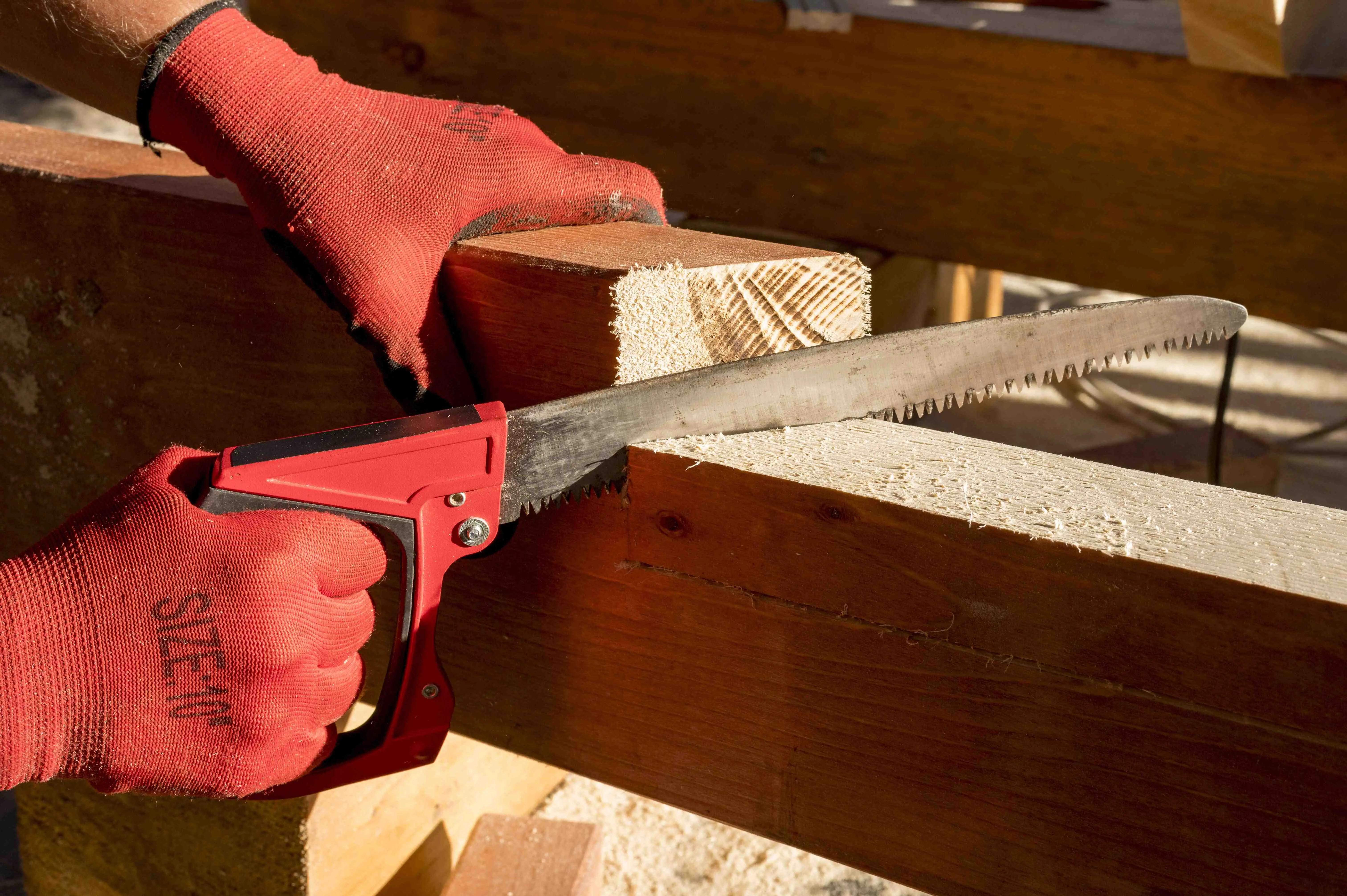
In the ever-evolving design landscape, where trends come and go, one element stands timeless—wood. Welcome to "Carpentry Chronicles," a blog series committed to navigating the dynamic world of c...
Sign up to start winning an unlimited amount of jobs near you.


 Electrician
Gas Engineer
Electrician
Gas Engineer


Send more enquiries and explore your options
Increasing the number of potentials leads for you!
Have more control and flexibility over your finances!