


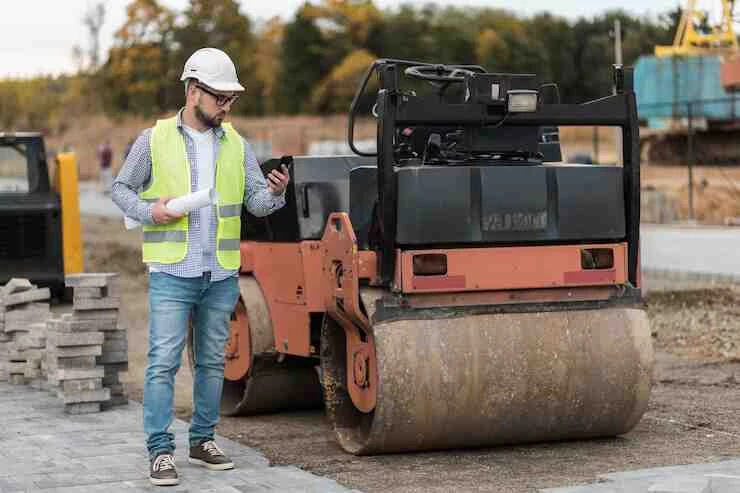
The Significance of Certifications in Paving

Certifications in the paving industry are a testament to a professional"s knowledge, skills, and commitment to quality. They serve several essential purposes:
1. **Quality Assurance**: Certifications provide assurance that professionals adhere to industry standards and best practices, ensuring quality workmanship.
2. **Safety**: Paving work often involves heavy equipment and materials. Certified professionals are more likely to prioritize safety, reducing the risk of accidents and injuries.
3. **Environmental Responsibility**: With increasing emphasis on sustainability, certifications may include training on eco-friendly practices and materials, helping to reduce environmental impact.
4. **Regulatory Compliance**: Certified individuals and companies are more likely to be well-versed in local building codes and regulations, avoiding legal complications.
5. **Competitive Edge**: In a competitive industry, certifications can set professionals apart, helping them secure contracts and clients.
Recent Updates and Changes in Paving Certifications
The paving industry is adapting to changing technology and sustainability practices, leading to updates and changes in certifications. Some notable trends and developments include:
1. **Sustainable Paving Certifications**: With a growing focus on environmental responsibility, some certification programs now include training on sustainable materials, such as permeable pavers, and practices that reduce environmental impact.
2. **Digital Literacy**: As technology becomes integral to paving design and project management, certifications may include requirements for proficiency in digital tools and software used for planning and design.
3. **Smart Paving Certifications**: The integration of technology into pavements is a growing trend. Certifications may cover the installation and maintenance of smart pavement features, such as LED lighting, sensors, and interactive displays.
4. **Recycled Materials**: Given the shift toward using recycled and reclaimed materials, certifications may encompass training on the use of these materials, their benefits, and best practices for incorporating them into paving projects.
5. **Advanced Equipment Operation**: Certifications are likely to include training on advanced paving equipment, such as intelligent pavers and sensors for precise pavement placement.
6. **Safety and Regulations**: Keeping up with evolving safety regulations and industry standards is crucial. Certifications may require periodic updates or re-certification to ensure professionals remain compliant with the latest rules and best practices.
7. **Digital Badges and Credential Portfolios**: Some certification providers are transitioning to digital badges and credential portfolios, making it easier for professionals to showcase their certifications and accomplishments in an online format.
8. **Global Standards**: In a more interconnected world, certifications may be designed to meet international standards, allowing professionals to work across borders with ease.
Conclusion
Certifications play a vital role in ensuring that paving professionals meet the high standards demanded by modern construction practices. As the paving industry evolves, certifications are adapting to incorporate emerging trends such as sustainability, digital literacy, and advanced equipment operation. Staying updated with these changes is essential for professionals seeking to maintain their competitive edge and provide high-quality services in the ever-changing world of paving.

The world of carpentry is buzzing with innovations, trends, and transformative technologies. For carpenters, keeping up with these changes isn"t just about staying ahead in the game; it"s about ensuri...

In an era where technology weaves through every facet of our lives, the carpentry profession is no exception to its transformative power. Welcome to "Carpentry Chronicles," a blog series dedicated to ...

Welcome to "Carpentry Chronicles," a blog series dedicated to navigating the ever-evolving landscape of carpentry. In this edition, we dive into a trend reshaping the carpentry domain—customizat...

In the bustling world of carpentry, safety isn"t just a precaution; it"s a fundamental necessity. Welcome to "Carpentry Chronicles," a blog series committed to navigating the ever-evolving landscape o...

In carpentry, where wood meets creativity, mastery is not just a goal; it"s a journey. Welcome to "Carpentry Chronicles," a blog series that peels back the layers of carpentry to reveal the artistry a...
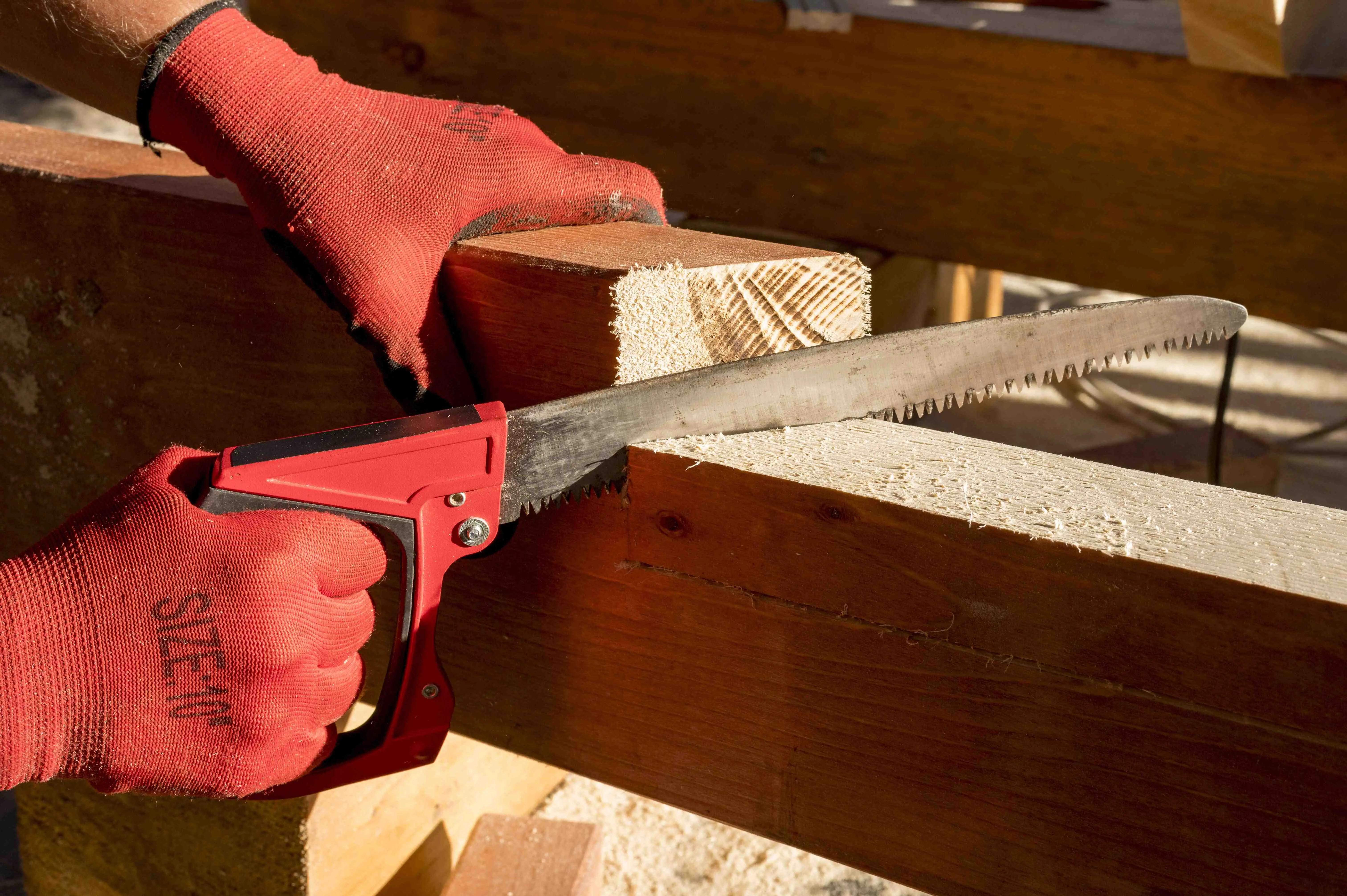
In the ever-evolving design landscape, where trends come and go, one element stands timeless—wood. Welcome to "Carpentry Chronicles," a blog series committed to navigating the dynamic world of c...
Sign up to start winning an unlimited amount of jobs near you.


 Electrician
Gas Engineer
Electrician
Gas Engineer


Send more enquiries and explore your options
Increasing the number of potentials leads for you!
Have more control and flexibility over your finances!