


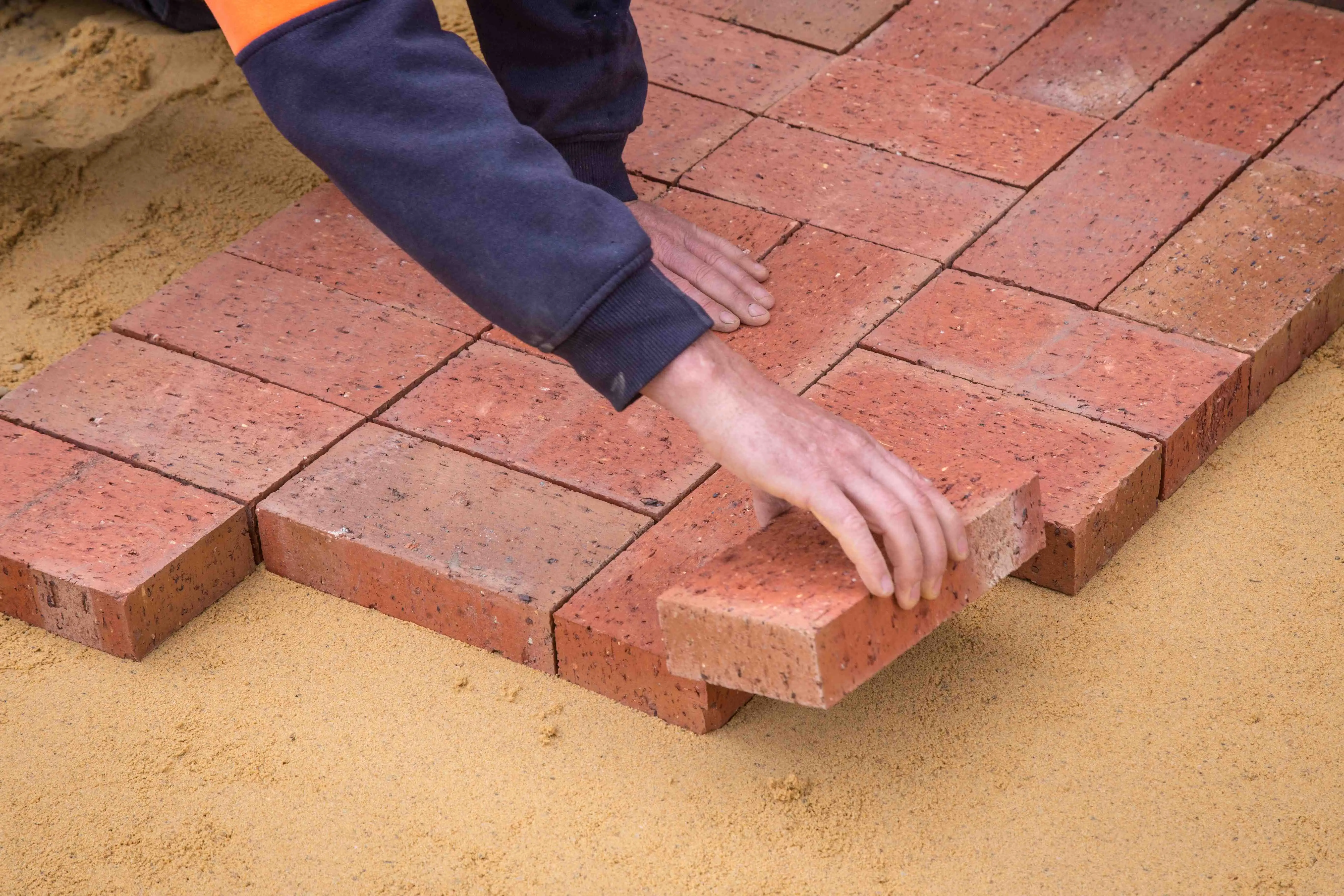
I. The Importance of Restoring Historical Brick Buildings
Historical brick buildings serve as a link between our past and present, providing insights into the craftsmanship, design, and lifestyle of earlier generations. Their restoration is imperative for several reasons:
Preservation of Heritage: These buildings are a testament to our cultural history and heritage, and their restoration ensures that future generations can appreciate and learn from them.
Community Identity: Historical buildings often define the character and identity of a community. Preserving them helps maintain a sense of continuity and connection to the past.
Economic Benefits: Restoration projects can stimulate local economies by creating jobs and attracting tourism, bolstering the surrounding communities.
II. Challenges in Restoring Historical Brick Buildings
While restoring historical brick buildings is a noble endeavor, it comes with a unique set of challenges:
Aged Materials: Historical bricks, mortar, and other building materials have often deteriorated over time, requiring careful handling and sometimes replacement.
Matching Historical Accuracy: Achieving historical accuracy in restoration work, including replicating original designs and materials, is crucial but demanding.
Regulatory Hurdles: Navigating complex local regulations, permits, and historical preservation guidelines can be a significant challenge.
III. Case Study: The Renovation of the Smithson Building
To gain a deeper understanding of the intricacies involved in restoring historical brick buildings, let"s explore the case of the Smithson Building, a 19th-century structure located in the heart of downtown Elmwood.
Historical Significance: The Smithson Building was constructed in 1887 and served as a bustling mercantile store during the late 19th century. Its ornate brick façade, decorative cornices, and arched windows were iconic features of the era.
Challenges Faced:
a. Structural Integrity: Over time, the building"s foundation had weakened, posing a significant structural risk.
b. Mortar Erosion: The original mortar had significantly deteriorated, leading to brick displacement and water infiltration.
c. Historical Documentation: Limited historical records were available to guide the restoration process, necessitating extensive research.
Restoration Process:
a. Structural Reinforcement: The restoration team began by stabilizing the building"s foundation, ensuring its long-term structural integrity.
b. Mortar Analysis: Mortar samples were carefully analyzed to determine the composition of the original mortar, allowing for an accurate replication.
c. Historical Research: Archival research and old photographs were used to guide the restoration, ensuring that the building"s original design elements were faithfully recreated.
Outcome:
a. Historical Accuracy: The restored Smithson Building now stands as a testament to the 19th-century architectural style, with meticulously replicated brickwork and ornate cornices.
b. Community Impact: The renovation of the Smithson Building has reinvigorated the local economy, attracting tourists and new businesses to the area.
IV. Techniques in Historical Brick Building Restoration
Successful restoration of historical brick buildings relies on a combination of traditional craftsmanship and modern technology:
Brick Cleaning and Repair: Old bricks are carefully cleaned to remove dirt and stains. Damaged bricks are either restored or replaced with exact replicas to maintain historical accuracy.
Mortar Analysis and Replication: Mortar is analyzed to match the original composition, ensuring the new mortar blends seamlessly with the old.
Structural Reinforcement: Modern techniques such as steel supports and reinforcement are used to ensure the building"s stability without compromising its historical appearance.
Historical Documentation: Extensive research and documentation help guide the restoration process and ensure the accuracy of design and materials.
V. The Role of Preservationists and Professionals
Restoring historical brick buildings is a highly specialized field that requires skilled preservationists, architects, engineers, and craftsmen. Their expertise is indispensable in preserving the authenticity and historical value of these structures.
Preservationists: Preservationists play a pivotal role in advocating for historical buildings, conducting research, and ensuring that restoration projects align with preservation guidelines.
Architects and Engineers: These professionals are responsible for creating restoration plans that balance historical accuracy with modern safety and functionality requirements.
Craftsmen and Artisans: Skilled artisans, including bricklayers, carpenters, and masons, bring the restoration plans to life, meticulously recreating historical details.
VI. Conclusion
The restoration of historical brick buildings is a labor of love that not only preserves our architectural heritage but also enriches our communities and economies. As we reflect on the case study of the Smithson Building and the challenges and techniques involved, it becomes clear that these endeavors are essential for maintaining our connection to the past. By ensuring that these remarkable structures continue to grace our cities, we honor the generations that came before us and leave a lasting legacy for those who will follow. Restoring historical brick buildings is not merely about bricks and mortar; it"s about preserving the stories, craftsmanship, and character of a bygone era for generations to come.
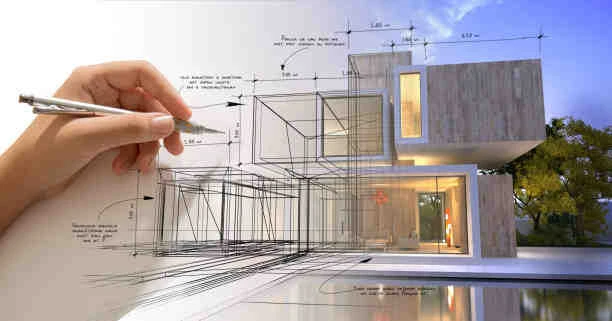
In a world often cluttered with complexity, modern minimalism in architecture stands as a testament to the beauty of simplicity. This design philosophy strips away excess ornamentation and embraces cl...

Throughout history, mankind has expressed its creativity and ambition through the construction of iconic architectural landmarks. These structures not only captivate us with their breathtaking designs...

Symmetry and balance in architectural design are principles that have been appreciated for centuries. These elements create a sense of harmony, order, and visual appeal in buildings and structures. Sy...

As the sun dips below the horizon, architectural wonders across the globe come to life, basking in the radiance of carefully designed illumination. Creative lighting design possesses the remarkable ab...

Architecture has a profound impact on our daily lives, shaping the way we interact with our surroundings and with one another. In recent years, a shift towards community-centric architecture has been ...
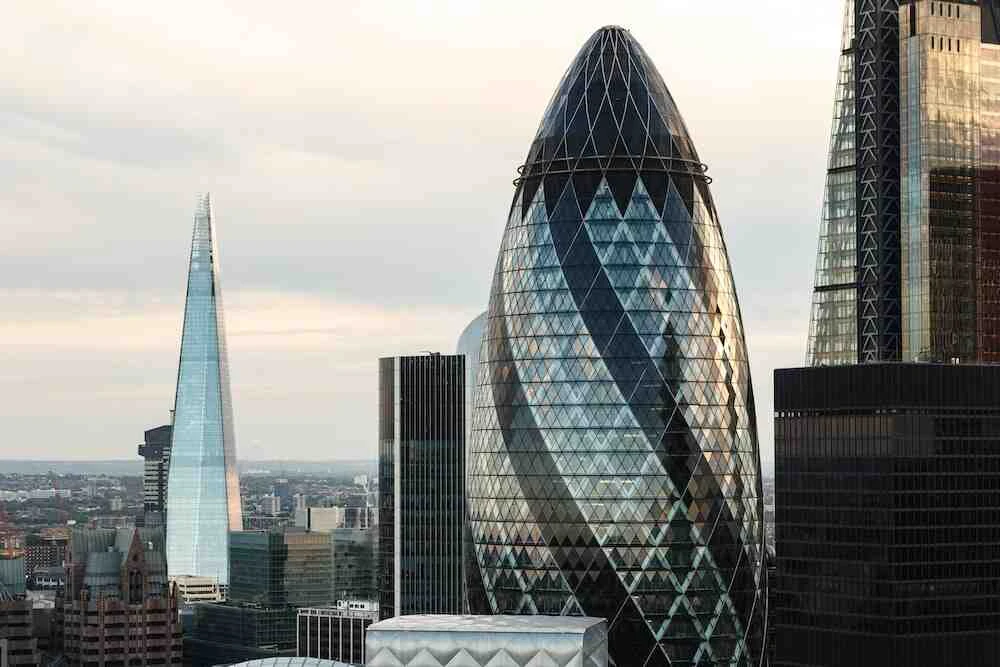
In the ever-evolving world of architecture, the materials we use play a pivotal role in shaping the built environment. Over the years, architects and designers have pushed the boundaries of convention...
Sign up to start winning an unlimited amount of jobs near you.


 Electrician
Gas Engineer
Electrician
Gas Engineer


Send more enquiries and explore your options
Increasing the number of potentials leads for you!
Have more control and flexibility over your finances!